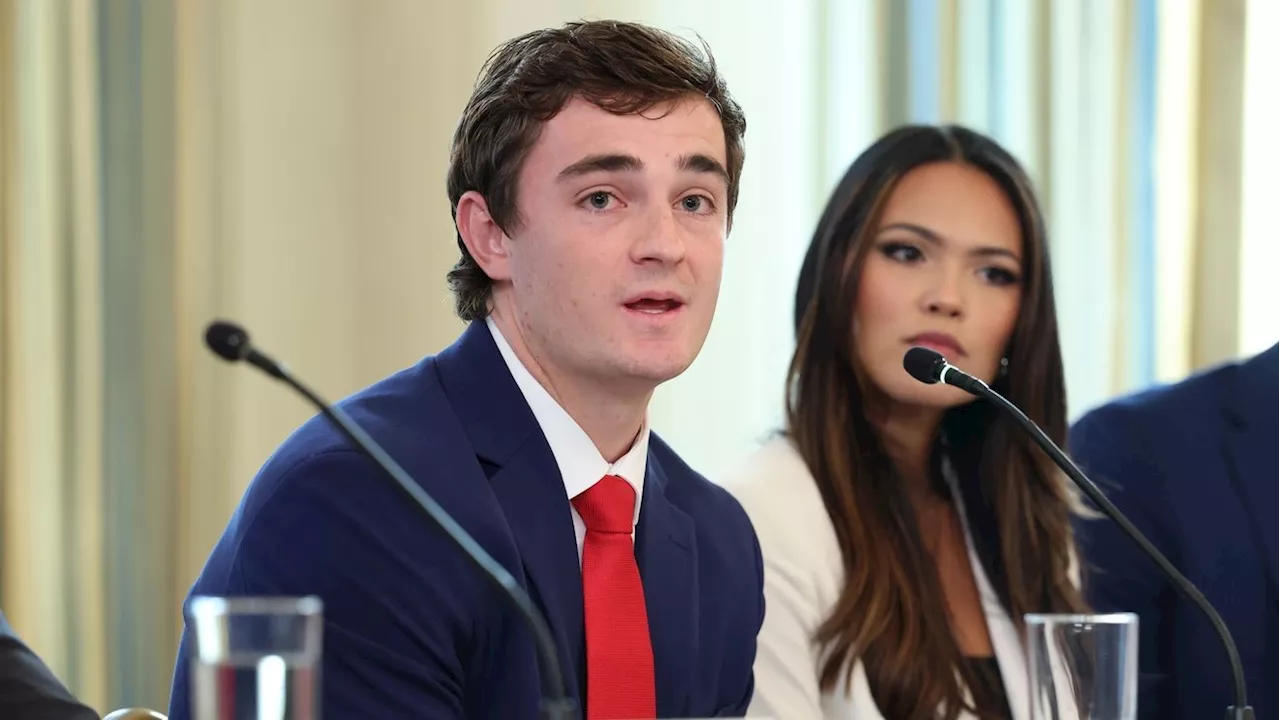
A recent video by independent journalist Nick Shirley has reignited scrutiny over what investigators describe as a significant alleged fraud scheme involving Minnesota’s social services. The video, released on October 8, 2025, highlights claims of up to $9 billion in taxpayer funds potentially misappropriated through fraudulent non-emergency medical transportation services.
Shirley’s investigation raises serious concerns about transportation companies allegedly billing the state for services that never occurred. During his research, he visited various addresses associated with these companies, only to find locations such as liquor stores and private residences, devoid of any connections to legitimate medical transport services. “What I think might be the heart of the beast here is this transportation fraud,” said a Minnesota resident identified as David in the video.
The allegations emerge amid broader investigations into Minnesota’s social services, which have already been tainted by claims of fraud involving food assistance programs and childcare providers. While state and federal officials acknowledge systemic oversight failures, the specific claims made in Shirley’s video have not been independently verified.
One notable aspect of the alleged fraud involves businesses owned by members of the Somali community. According to Shirley, as much as 90 percent of non-emergency medical transportation companies in Minnesota are reportedly operated by Somali entrepreneurs. This has led to tensions in the community, with some accusing Shirley of targeting a specific group, a claim he refutes, emphasizing that his focus is on uncovering fraud.
Political Fallout and Investigative Focus
Shirley’s findings have drawn connections between individuals implicated in earlier fraud cases and prominent political figures in Minnesota. Among those mentioned are Minneapolis Mayor Jacob Frey, Rep. Ilhan Omar, and Governor Tim Walz. The controversy has intensified as Walz announced he would not run for re-election, a decision some critics attribute to increasing pressure regarding the state’s handling of social services fraud, though he has not directly linked his choice to the ongoing scandal.
Next week, Shirley is set to testify before Congress, where he will present his findings and detail the alleged scope of fraud within Minnesota’s social services programs. This testimony could bring renewed federal attention to the situation, highlighting the need for rigorous oversight in the state’s healthcare and social services sectors.
The ongoing investigations into these allegations have raised significant questions about the integrity of the state’s social services system. As the story develops, the implications for both the community and government oversight are becoming increasingly critical.