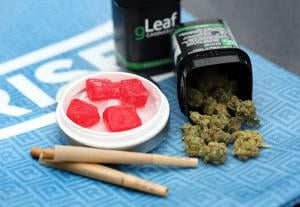
Legal retail cannabis sales are on the horizon for Virginia, marking a significant shift in the state’s approach to cannabis regulation. After years of delays, the anticipated launch is expected to attract established medical marijuana companies eager to enter the recreational market.
Established medical growers are now eyeing expansion opportunities as the market opens up. Companies that have been operating under medical licenses aim to transition smoothly into retail sales, leveraging their experience and existing infrastructure. This shift could yield substantial growth for these businesses, which have been preparing for this moment since the legalization of cannabis for medical use in Virginia.
The state’s decision to allow retail cannabis sales follows a broader trend seen across the United States, where more states are legalizing recreational use. Virginia’s new regulations are expected to generate significant revenue, with estimates suggesting that the state could see sales reaching upwards of $1 billion in the coming years.
While the exact date for retail sales to commence has not been confirmed, the Virginia Cannabis Control Authority is working diligently to finalize regulations and licensing processes. This includes establishing guidelines for product quality, safety standards, and marketing practices to ensure a responsible rollout.
Virginia Tech has also been involved in discussions regarding the implications of cannabis legalization on public health and safety. The university’s research initiatives aim to provide data-driven insights into the effects of cannabis use and its potential benefits and risks for the community.
As the state prepares for this new chapter, local communities are also responding to the upcoming changes. For example, Franklin County Schools is considering a shift to a four-day school week, a move that may coincide with the increased economic activity expected from the cannabis industry.
The transition to legal cannabis sales is not without its challenges, however. Law enforcement agencies, including the Virginia State Police, are gearing up to address potential issues related to impaired driving and public safety as cannabis becomes more accessible.
As the market evolves, the experiences of other states that have legalized cannabis will likely inform Virginia’s approach. The state’s regulatory framework will need to balance the interests of public health, law enforcement, and the burgeoning cannabis industry.
With stakeholders from various sectors engaged in the conversation, Virginia stands at the forefront of a rapid transformation in cannabis policy. The coming months will be crucial as both regulators and businesses navigate the complexities of this emerging market, setting the stage for a new economic landscape in the state.