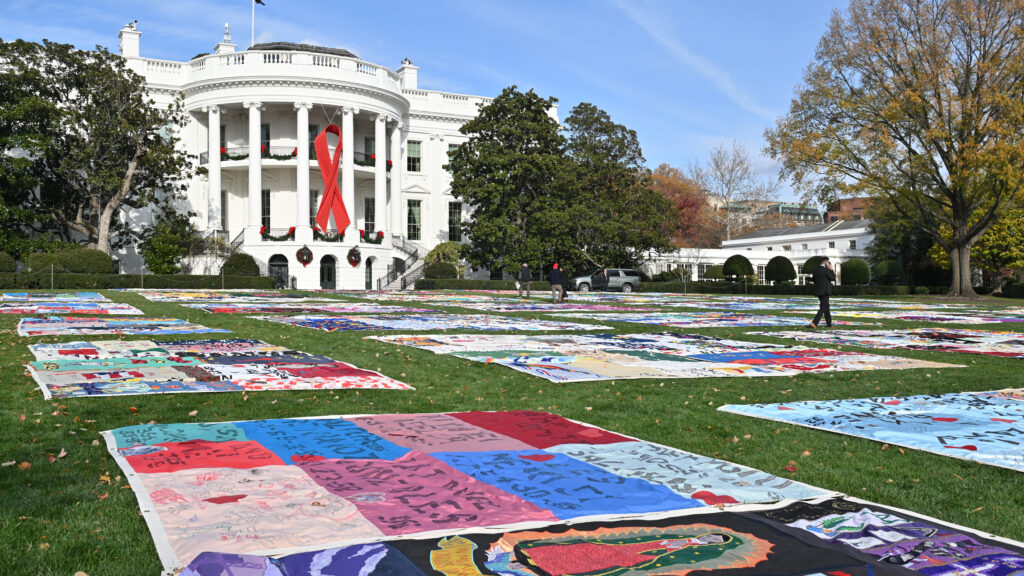
The U.S. government has decided to withdraw its support for World AIDS Day, a significant day of awareness observed annually on December 1. This decision marks a stark departure from decades of federal recognition and raises concerns among advocates and public health officials. According to the New York Times, the State Department has instructed its employees and grantees not to use government funds for commemorating the day and to refrain from any public promotion or messaging related to it.
The history of World AIDS Day dates back to 1988, when the World Health Organization declared December 1 as a day to raise awareness about the AIDS epidemic. Since that time, the U.S. government has acknowledged this day annually, making the recent announcement a troubling reminder of past neglect during the early years of the AIDS crisis. Notably, former President Ronald Reagan did not publicly mention the disease until 1985, four years after it first gained attention.
This year’s development has elicited strong reactions from HIV advocates. Peter Staley, a veteran activist, described the decision as “petty and hostile.” Observers note that this could align with a broader strategy by the current administration to distance itself from initiatives associated with the World Health Organization, which the U.S. ceased funding earlier this year.
While a spokesperson for the State Department claimed that “an awareness day is not a strategy,” critics argue that such days can be pivotal components of broader public health initiatives. World AIDS Day serves not only as a moment to remember those lost to the disease—approximately 44 million people globally—but also as a rallying point for action against ongoing health challenges.
Historically, World AIDS Day has provided a platform for significant policy announcements and funding commitments. The U.S. President’s Emergency Plan for AIDS Relief (PEPFAR), established in 2003 under President George W. Bush, has been instrumental in combating the epidemic. Over the past two decades, PEPFAR has invested over $110 billion in HIV/AIDS response efforts, reportedly saving 26 million lives and preventing millions of infections across more than 50 countries.
This year, however, advocates fear that the absence of World AIDS Day recognition will hinder potential expansions of PEPFAR. Recent studies suggest that U.S. cuts to foreign aid could lead to an additional 10 million HIV infections and 3 million AIDS-related deaths over the next five years. Such projections highlight the critical need for sustained funding and commitment to HIV prevention and treatment efforts.
A recent partnership between the State Department, Gilead Sciences, and the Global Fund aims to deliver a new HIV-prevention drug, lenacapavir, to Zambia and Eswatini. The initiative marks a positive development, with the first doses arriving shortly after the drug’s approval by the Food and Drug Administration. However, the target of delivering just 2 million doses by 2028 has been criticized as insufficient, given the scale of the ongoing epidemic.
The World Health Organization reported around 1.3 million new infections globally last year, underscoring the urgent need for a more ambitious response. Activists advocate for access to lenacapavir to expand significantly, aiming for 20 million individuals to be reached, which would require 40 million doses annually.
The future of HIV advocacy relies on a coordinated global effort to strengthen supply chains and ensure equitable access to treatment. As the tide of support wanes, the message from advocates might need to evolve. A new slogan, perhaps: “Silence (+ Slashed Funding) = Death.”
Gavin Hart, with three decades of experience in health care public relations, has been actively involved in HIV advocacy for various organizations, including nonprofit and pharmaceutical sectors. The implications of the U.S. government’s decision not to support World AIDS Day are far-reaching, affecting not just policy but the lives of millions still in the grip of the epidemic.