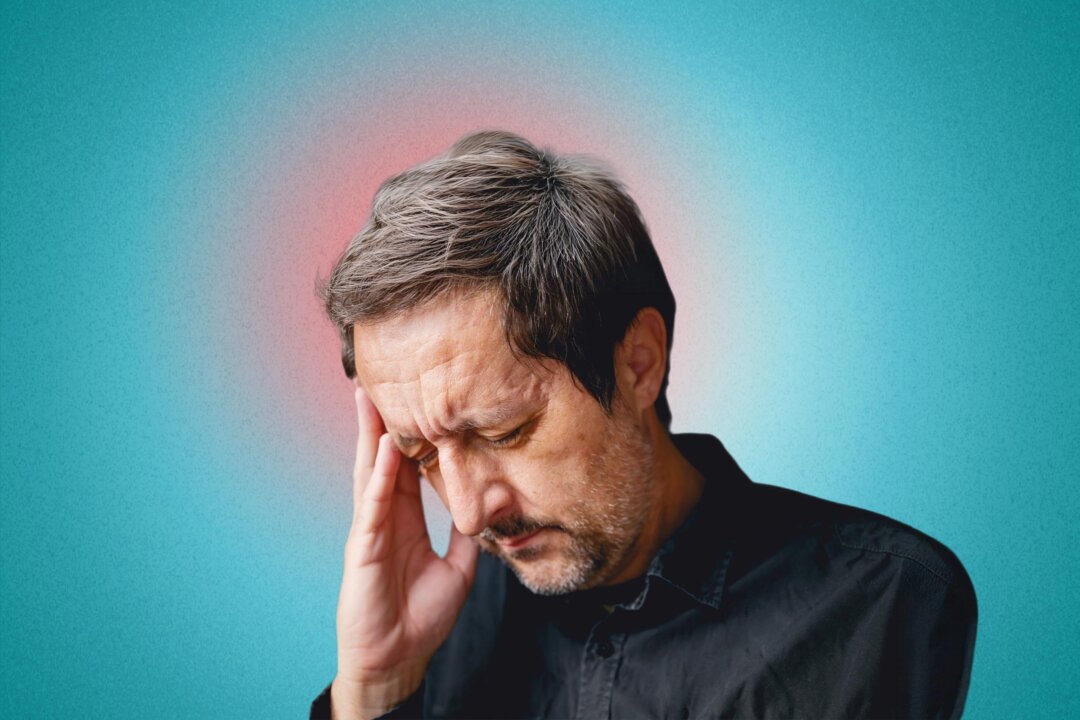
A middle-aged man in his early 50s experienced a sudden onset of cold-like symptoms, which included a severe headache, nausea, and vomiting. Initially attributing his discomfort to fatigue and irregular eating habits, he opted to rest, believing this would suffice for recovery. Unfortunately, days later, he noticed a significant deterioration in his vision. By the time he sought medical attention, he had lost more than half of his sight, and the critical window for effective treatment had elapsed.
According to Jonathan Liu, a professor of traditional Chinese medicine at a Canadian public college and a contributor to The Epoch Times, this case highlights the seriousness of symptoms that may initially seem benign. The patient was ultimately diagnosed with acute angle-closure glaucoma, a condition that can manifest with sudden headaches and nausea, yet often goes unrecognized until it escalates into a more severe state.
Understanding Acute Angle-Closure Glaucoma
Acute angle-closure glaucoma is a medical emergency that occurs when the drainage angle of the eye becomes blocked, leading to a rapid increase in intraocular pressure. Symptoms can include intense eye pain, headache, nausea, and vomiting. These symptoms can easily be mistaken for other illnesses, as seen in this patient’s case.
The rapid progression of the condition can result in irreversible vision loss if not addressed promptly. Liu emphasizes the importance of recognizing the warning signs. Early intervention is critical; treatment options typically include medication to lower eye pressure and possibly surgical procedures to correct the underlying issue.
Importance of Awareness and Prompt Action
The case serves as a reminder that seemingly minor health issues should not be dismissed. Individuals experiencing sudden headaches accompanied by nausea or changes in vision should seek medical advice without delay. Awareness of the potential severity of such symptoms could lead to timely diagnosis and treatment, ultimately preserving vision and preventing complications.
Healthcare professionals advocate for education about the signs of acute angle-closure glaucoma, particularly among high-risk groups, such as older adults and those with a family history of glaucoma. Liu’s insights underscore the need for public health initiatives focused on symptom recognition and the importance of regular eye examinations.
In conclusion, recognizing the potential dangers of sudden headaches and related symptoms can significantly impact outcomes. Individuals are encouraged to prioritize their health and seek necessary medical attention, especially when symptoms present unexpectedly.