A recent study has revealed a significant connection between peer victimization and depression among Brazilian youth. Conducted by researchers from the Federal University of Paraná, the study analyzed data from over 100,000 adolescents across Brazil to explore how experiences of being bullied correlate with depressive symptoms. The findings underscore the crucial role that school environments play in influencing adolescent mental health.
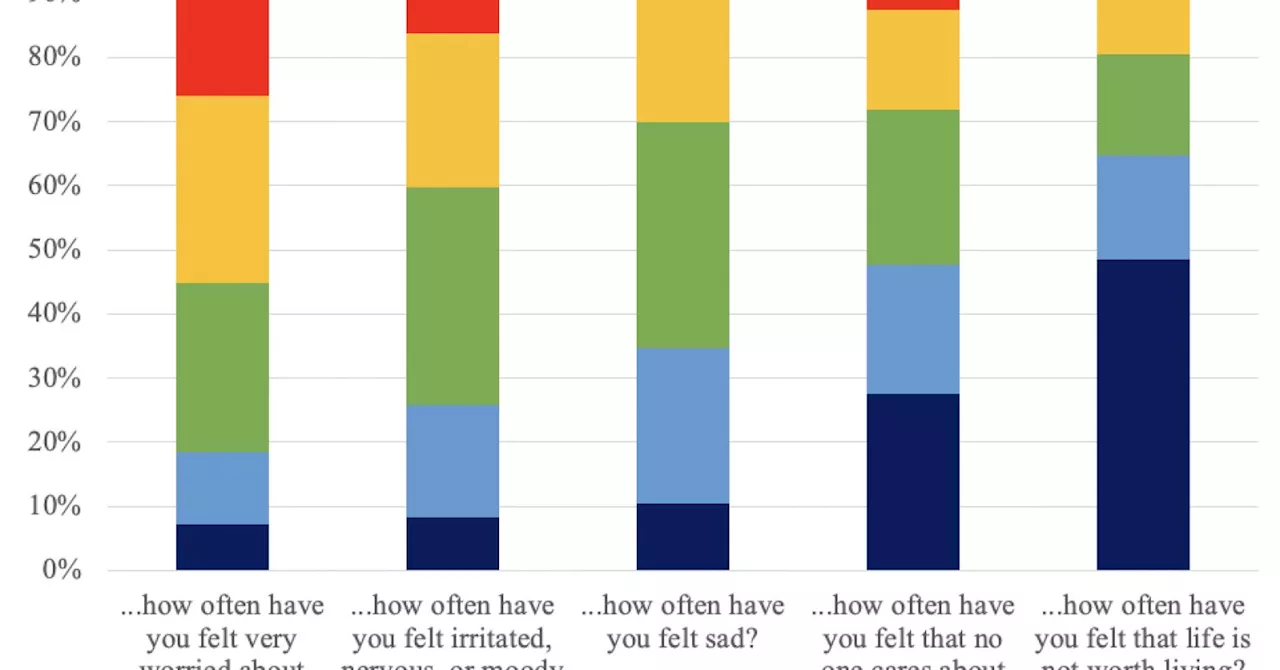
Data were gathered as part of a large-scale project organized by the Ministry of Health, which involved a random selection of approximately 165,000 adolescents nationwide. The researchers aimed to disentangle the effects of peer victimization on reports of depressive symptoms among students. Participants answered questions regarding their feelings of “sadness” and “moodiness,” among other indicators of mental health. Although many students reported experiencing these symptoms “never,” “rarely,” or “sometimes,” the study raised concerns regarding the 13 to 40 percent of youths who did report being victimized.
In assessing peer victimization, students were asked how frequently they experienced bullying or teasing that left them “hurt, annoyed, offended, or humiliated” within the last month. The majority of respondents indicated that they had not encountered significant peer victimization, which is an encouraging finding. Nonetheless, the study’s authors noted the troubling implications of the substantial minority who did experience bullying.
The analysis revealed that peer victimization explained an additional 34.41 percent of the differences in depression scores among students, indicating a strong association between the two factors. This suggests that incidents of bullying significantly contribute to the mental health challenges faced by some Brazilian adolescents. The study aligns with previous research indicating that victimization by peers can have long-lasting effects on mental health.
Implications for School Environments
These findings highlight the importance of fostering positive school environments to mitigate the impacts of peer victimization. The research suggests that efforts by teachers and school administrators to reduce bullying can lead to better mental health outcomes for students. The study’s authors emphasized that a child who attends a school with lower levels of victimization is less likely to report feelings of depression.
In light of these results, the researchers are keen to explore additional factors that could alleviate the negative effects of victimization. Future studies may focus on how positive teacher-student relationships and supportive classroom climates can protect students from the depressive consequences of being bullied. Past research has indicated that such factors can indeed play a protective role in fostering healthier social experiences for adolescents.
The lead author, Josafa da Cunha, a Professor of Educational Psychology at the Federal University of Paraná, coordinates the Interagir Lab, where he focuses on peer victimization and school climate. He stresses the need for ongoing research to better understand how educational settings can be optimized to support the mental well-being of young people.
Ultimately, the study serves as a reminder that while many adolescents report few symptoms of depression and experience minimal peer victimization, those who do encounter bullying are at a much greater risk of mental health issues. The call to action is clear: creating safer school environments not only benefits individuals but also enhances the overall well-being of youth populations in Brazil and beyond. Every young person deserves a safe place to learn and grow, making this research critical for future educational policies and practices.