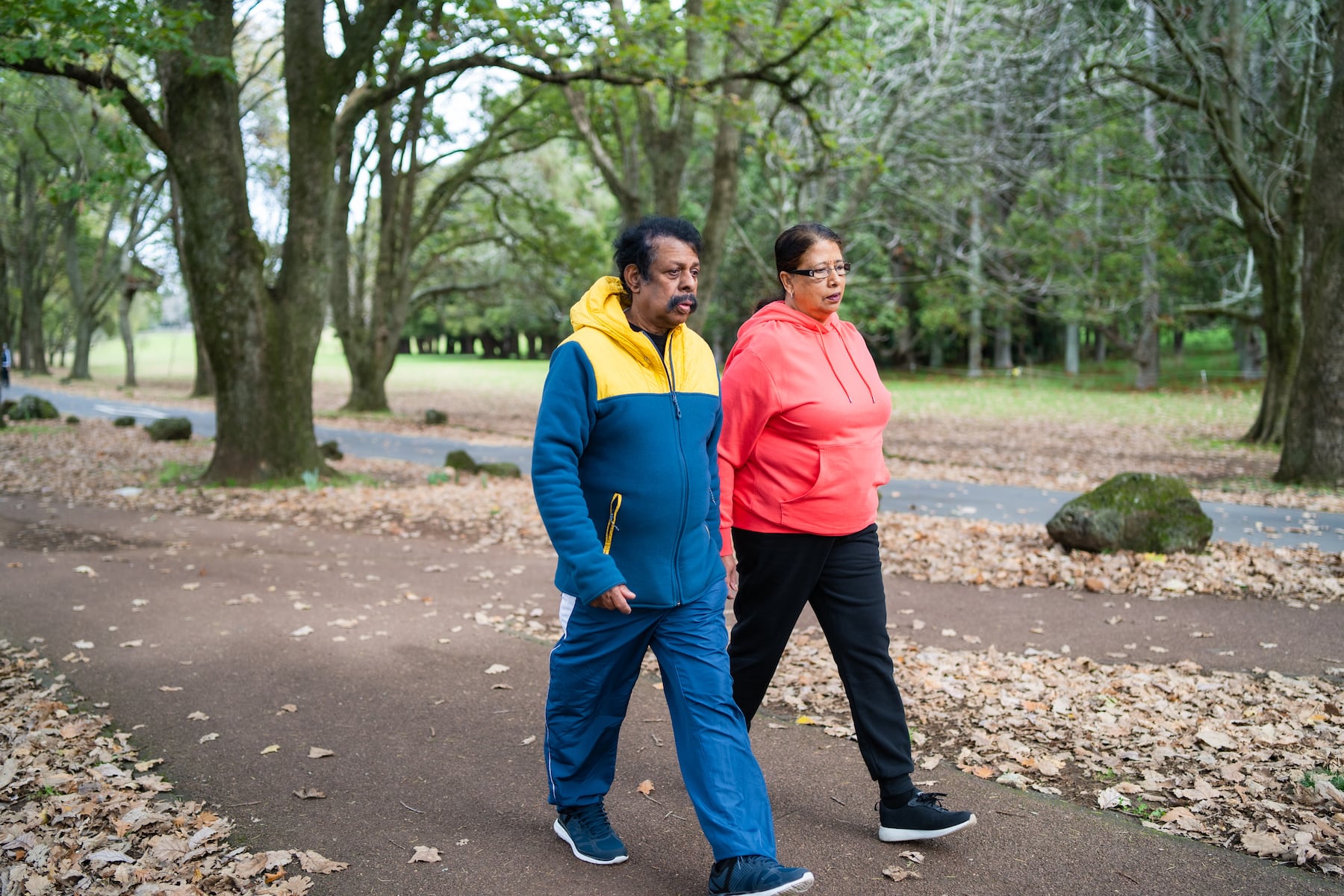
A recent study indicates that increased physical activity during midlife and later life is significantly associated with a reduced risk of developing dementia. Conducted by researchers at the Boston University School of Public Health, the study analyzed data from over 4,300 participants of the Framingham Heart Study, revealing notable benefits for cognitive health linked to higher levels of exercise.
The findings, published in JAMA Network Open, highlight that individuals who engaged in more physical activity during midlife—defined as ages 45 to 64—experienced a remarkable 40% lower risk of all-cause dementia over a span of 26 years compared to those with minimal activity levels. Additionally, participants who maintained higher activity levels into late life—ages 65 to 88—showed a further reduction in dementia risk, ranging from 36% to 45% over a 15-year period.
The researchers meticulously tracked the physical activity levels of participants across three life stages: early adulthood (26-44 years), midlife, and late life. This longitudinal approach allowed them to monitor the onset of Alzheimer’s disease and other dementia forms closely.
Dr. Phillip Hwang, the study’s lead author, emphasized the potential of these findings to inform effective strategies for preventing or delaying dementia onset in later life. He noted that the benefits of physical activity on brain health might extend earlier in life than previously assumed.
Several mechanisms may explain the positive relationship between exercise and brain health. Physical activity is believed to enhance brain structure and function, reduce inflammation, and improve vascular health. Moreover, it may directly influence the pathology of Alzheimer’s disease, particularly concerning the buildup of toxic beta-amyloid in the brain. These factors collectively contribute to what is known as cognitive reserve, potentially delaying cognitive decline in later life.
While the study found that higher physical activity during midlife was associated with lower dementia risk only in individuals without the APOE4 gene variant, the benefits of late-life physical activity were evident regardless of genetic predisposition. Dr. Cathryn Devons, an expert in geriatric medicine, reinforced the importance of exercise in mitigating the risk factors for conditions such as hypertension, stroke, and diabetes, which can impair brain health by affecting circulation.
Despite some limitations, such as the reliance on self-reported data regarding physical activity, the study provides compelling evidence that exercise is vital for cognitive health throughout life. Researchers noted that the lack of strong associations with early adult physical activity could stem from the relatively few dementia cases in that age group.
Overall, this study underscores the critical role of exercise in reducing dementia risk, highlighting the need for public health initiatives promoting physical activity as a means of enhancing cognitive well-being across all life stages.