Research has made significant strides in understanding the pervasive issue of microplastics and their effects on living organisms. A study published on February 13, 2026, by scientists at Shenyang Agricultural University introduces a novel fluorescence-based strategy that allows for real-time tracking of microplastics as they move and degrade within biological systems. This innovation could shed light on the health implications of these ubiquitous particles.
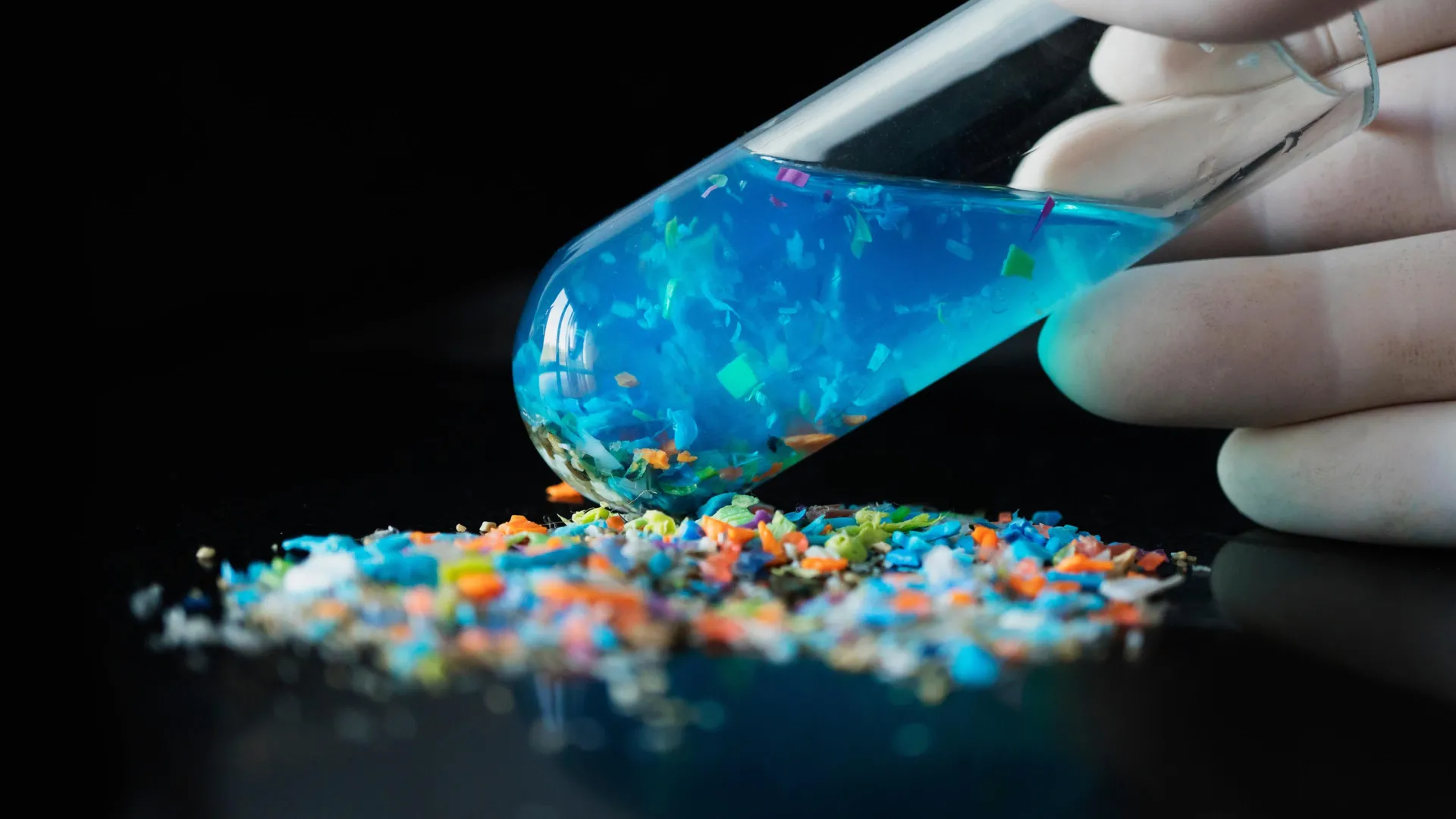
Microplastics, tiny plastic fragments resulting from the breakdown of larger plastic items, are found in various environments, from the deep ocean to agricultural soils, and alarmingly, inside the human body. Despite their widespread presence, researchers have struggled to ascertain their behavior once they enter living organisms. Understanding these processes is essential, as exposure to microplastics has been linked to inflammation, organ damage, and developmental issues.
Current detection methods are limited, as they typically require the destruction of tissue samples, leaving researchers unable to observe the dynamic processes of microplastics over time. Traditional techniques like infrared spectroscopy and mass spectrometry provide only a static snapshot of particle presence. As Wenhong Fan, the study’s corresponding author, pointed out, “Most current methods give us only a snapshot in time.”
Innovative Fluorescent Strategy for Enhanced Tracking
To overcome the limitations of existing methods, the research team developed a fluorescent monomer controlled synthesis strategy. Instead of simply coating plastic particles with fluorescent dyes, they integrated light-emitting components directly into the molecular structure of the plastics. This approach employs aggregation-induced emission materials, which glow more intensely when clustered together, providing a stable signal that minimizes brightness loss during imaging.
The technique allows researchers to customize the brightness, color, size, and shape of the particles. Because the fluorescent material is uniformly distributed throughout each particle, both whole plastics and the smaller fragments generated during degradation remain visible. This capability enables scientists to track the entire lifecycle of microplastics, from ingestion to internal transport, transformation, and eventual breakdown.
Assessing Health and Environmental Risks
While the strategy is still undergoing experimental testing, it is grounded in established principles of polymer chemistry and biocompatible fluorescence imaging. The researchers believe this method could become a crucial tool for studying microplastics’ interactions with cells, tissues, and organs. Fan emphasized the importance of understanding these interactions: “Clarifying the transport and transformation processes of microplastics inside organisms is essential for assessing their true ecological and health risks.”
As concerns over plastic pollution escalate, tools that reveal how microplastics behave within living systems may significantly enhance risk assessments and inform future environmental regulations. By providing a clearer picture of microplastics’ impact, this research could pave the way for more effective strategies to address the growing plastic crisis.
In conclusion, the innovative fluorescence-based tracking method represents a promising advancement in the ongoing effort to understand the implications of microplastics in our bodies and ecosystems. As the global production of plastic continues to exceed 460 million tons annually, research like this is vital for safeguarding public health and the environment.