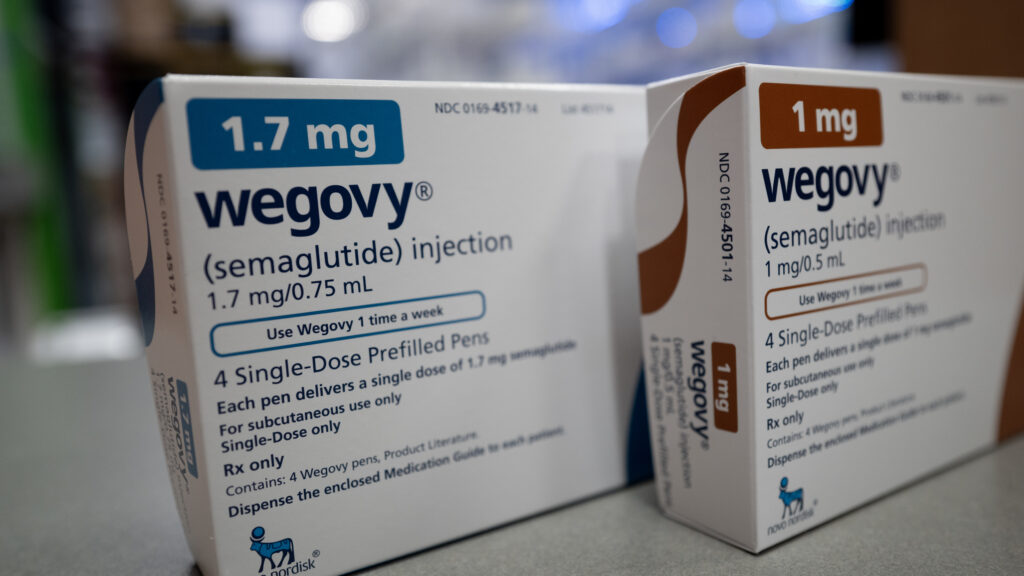
Public Citizen has urged the Trump administration to leverage federal law to authorize generic versions of GLP-1 drugs, which are used for treating obesity and diabetes. The consumer advocacy group argues that the current prices of these medications are “unjustifiably high” for too many Americans, presenting a significant barrier to access.
In its petition, Public Citizen highlighted the financial strain placed on federal and state budgets due to escalating spending on GLP-1 drugs, primarily manufactured by Novo Nordisk and Eli Lilly. The group contends that recent agreements made with the Trump administration to enhance the availability of these medications through Medicare and Medicaid are inadequate in addressing the broader issue of access.
Concerns Over Accessibility and Affordability
Although the proposed expansion of coverage within these health care programs, which includes a co-pay of $50 per month for Medicare beneficiaries, may help some individuals, it does not guarantee universal benefits. The petition warns that certain Medicare and Medicaid plans might opt out of participation if the drug prices lead to budgetary challenges due to increased demand.
Public Citizen’s argument is underscored by the growing concern among patients struggling with the high costs of GLP-1 drugs. The organization insists that enabling generic alternatives could alleviate some of the financial burdens faced by patients and taxpayers alike. The current situation, they argue, places an unnecessary strain on both public resources and individuals seeking essential medications.
In summary, Public Citizen’s petition represents a call to action aimed at improving accessibility and affordability for essential diabetes and obesity treatments. The advocacy group is pushing for a federal response that could significantly change the landscape for patients reliant on these drugs. As discussions continue, the impact of such a policy shift on health care costs and patient access remains to be seen.