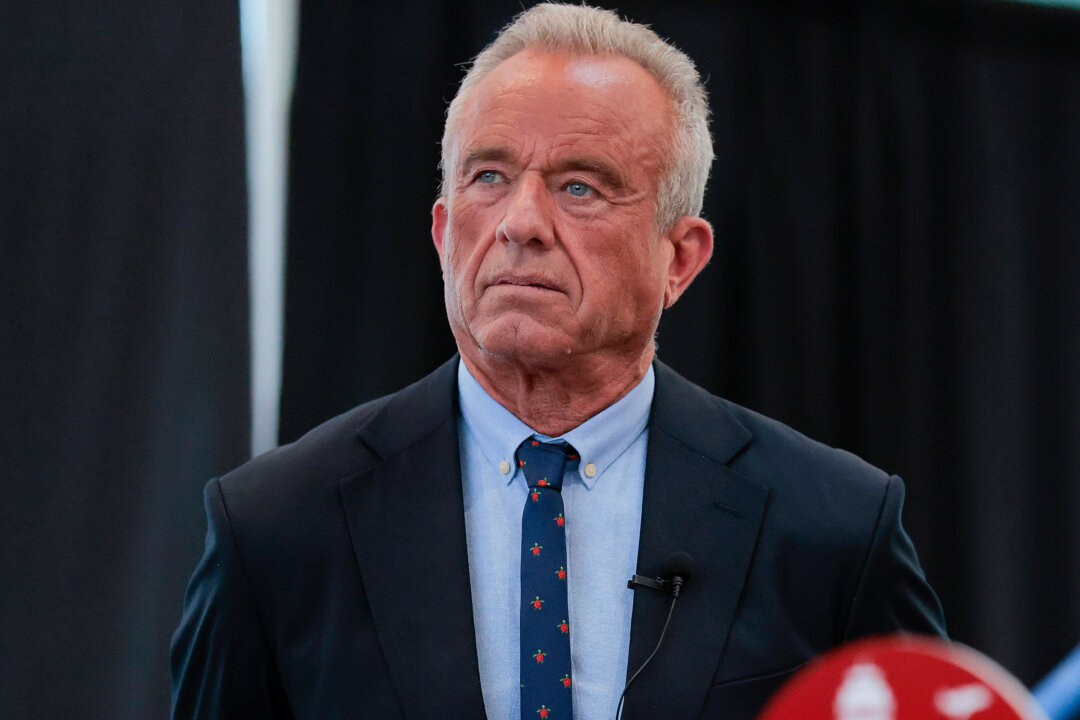
On January 19, 2024, the American Academy of Pediatrics and several other organizations initiated a lawsuit against Robert F. Kennedy Jr., the U.S. Secretary of Health, along with other officials. The plaintiffs aim to reverse a recent update to the childhood vaccine schedule and halt an upcoming meeting of advisers appointed by Kennedy.
The lawsuit argues that federal officials did not adequately examine relevant data prior to making the changes. Specifically, the complaint claims that the modifications to the childhood vaccine schedule lack satisfactory explanations, warranting a federal court’s intervention to declare these decisions unlawful.
According to the plaintiffs, the adjustments involve shifting several vaccines from a category of routinely recommended to a status where they are only recommended after consultations with healthcare providers. The complaint emphasizes that such changes should be “set aside, enjoined, and declared unlawful” due to the failure of the defendants to consider critical factors. This includes whether the revisions could lead to an increase in serious illnesses and deaths caused by vaccine-preventable diseases, a heightened burden on the American healthcare system, and increased financial strain on families.
The lawsuit reflects significant concerns within the medical community regarding public health implications. Advocates for maintaining the traditional vaccination schedule argue that any alterations could undermine vaccination rates and potentially result in outbreaks of diseases that were previously well-controlled through immunization programs.
The American Academy of Pediatrics, a prominent organization representing child health specialists, has been a longstanding advocate for vaccinations as a crucial component of public health. Their involvement in this lawsuit underscores the seriousness of the situation and the gravity of the implications for child health in the United States.
As this legal challenge unfolds, the outcome could have far-reaching effects on future vaccination policies and public health strategies. The court’s decision will be closely monitored by healthcare professionals, parents, and policymakers alike, as it may shape the framework for childhood vaccinations in the years to come.
In light of the ongoing debates surrounding vaccination and public health, this lawsuit serves as a critical reminder of the complexities involved in health policy decisions. The balance between parental choice, expert recommendations, and public health safety continues to be a contentious issue in contemporary discussions regarding immunization practices.