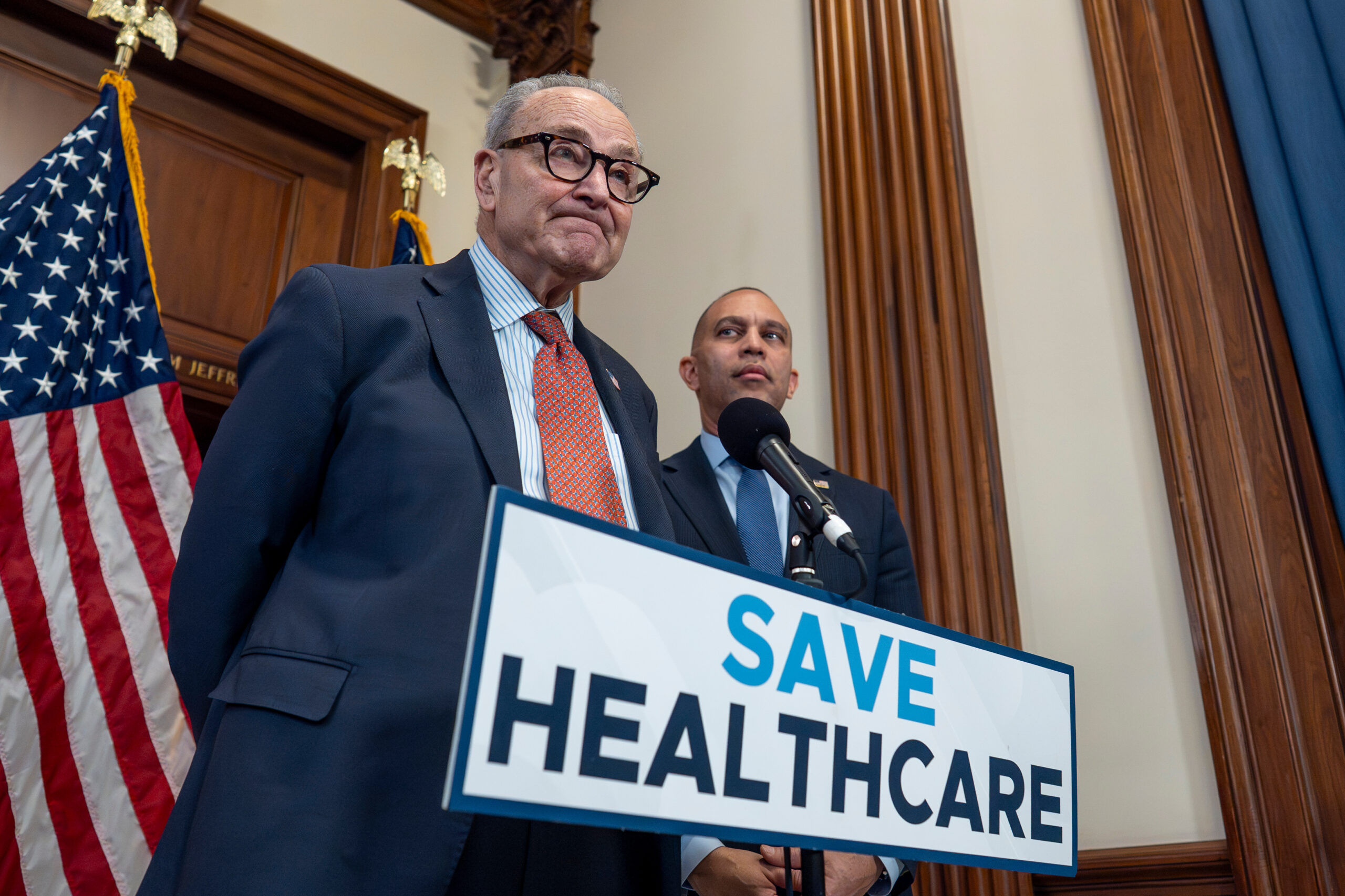
The debate over health care subsidies in the United States is increasingly intertwined with the contentious issue of abortion rights. Lawmakers are facing intense pressure from both abortion-rights and anti-abortion groups, each warning that any missteps could have serious political consequences in the upcoming midterm elections.
Both sides are rallying their supporters to influence legislative priorities. The stakes are high, as the outcome could affect millions of Americans who rely on subsidized health care for reproductive services. According to the Guttmacher Institute, approximately 1 in 4 women in the U.S. will have an abortion in their lifetime, highlighting the significance of access to related health services.
The current political climate is marked by polarization, with each group mobilizing constituents to pressure lawmakers. Abortion-rights advocates argue that restricting access to health care subsidies for reproductive services undermines women’s rights and health. In contrast, anti-abortion organizations warn that supporting such subsidies could lead to negative repercussions for lawmakers in the midterms, with potential voter backlash looming.
Political Consequences Looming
As the November 2024 midterm elections approach, both camps are making it clear that their political futures depend on adherence to their respective agendas. Anti-abortion advocates are particularly vocal, threatening electoral consequences for those who fail to align with their views. This strategy aims to galvanize voters who are passionate about restricting abortion access, thereby increasing turnout among conservative constituents.
On the other hand, abortion-rights organizations are equally determined to ensure that lawmakers prioritize access to comprehensive health care, including abortion services. They argue that health care subsidies should encompass all reproductive health needs, emphasizing that restricting access disproportionately affects low-income individuals and marginalized communities.
The ongoing tug-of-war over health care subsidies highlights a broader struggle over reproductive rights in the United States. According to a 2023 Pew Research Center report, public opinion is sharply divided, with 61% of Americans supporting legal access to abortion while others advocate for stricter regulations. This division complicates the legislative landscape and places lawmakers in a precarious position.
Legislative Implications and Future Directions
The implications of this political standoff extend beyond mere campaign rhetoric. Health care policy tied to abortion rights may influence funding and access to services across various states. As lawmakers contemplate their positions, they will need to navigate a complex landscape where public sentiment and political affiliations intersect.
Future legislative sessions will likely see intense lobbying efforts from both sides. With each group keenly aware of the potential ramifications of their actions, the upcoming months will prove critical. Lawmakers must weigh the risks of alienating voters against the ethical considerations surrounding health care access.
In a climate where every vote counts, the health care subsidy debate is not just about policy; it is a battleground for the hearts and minds of voters. As the midterms approach, both abortion-rights and anti-abortion groups will continue their efforts, determined to shape the future of health care in the United States.