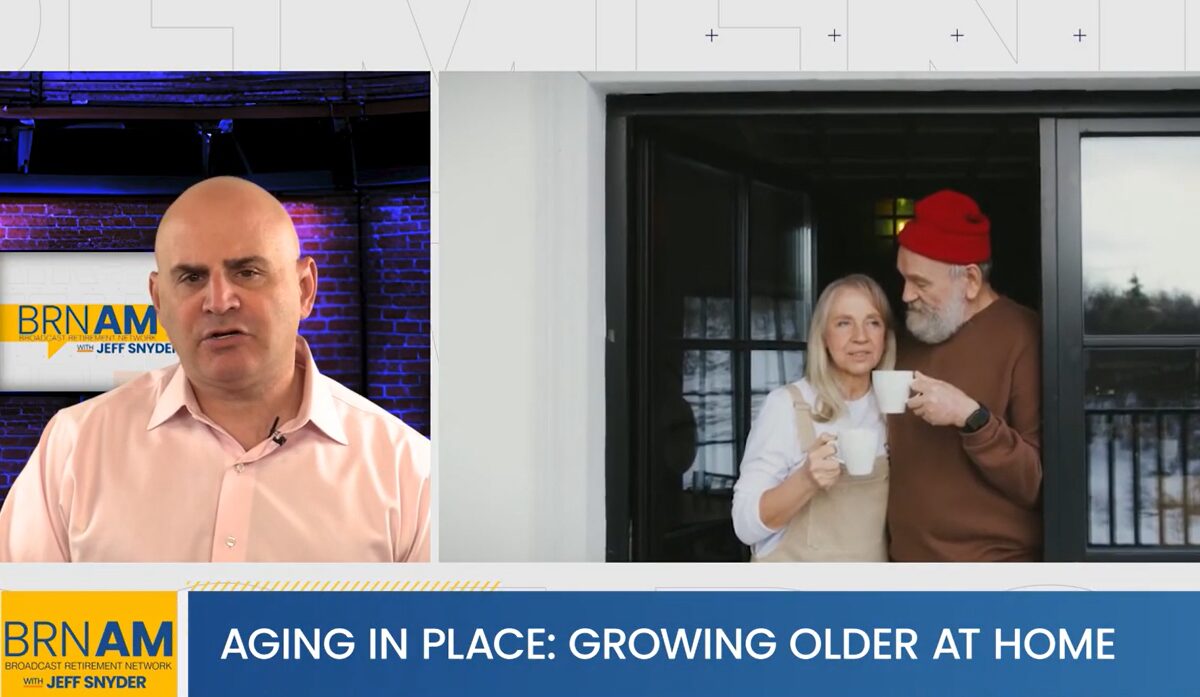
Aging in place has become an increasingly important topic as more individuals seek to maintain their independence while growing older at home. During a recent discussion on the Broadcast Retirement Network, host Jeffrey Snyder spoke with Dr. Erin Harrell from the National Institute on Aging, part of the National Institutes of Health, to explore the growing trend and the necessary preparations for those considering this path.
Aging in place allows older adults to remain in their homes, surrounded by familiar settings, while receiving the support they need. Dr. Harrell emphasized that as people age, they desire to maintain their autonomy and stay connected to family and friends. This preference is evident in the increasing popularity of aging in place, which is supported by anecdotal evidence and ongoing research.
Dr. Harrell pointed out that many people are not currently prepared to age in place. She encouraged individuals to begin planning proactively, ideally well before they reach retirement age. This preparation includes discussions with family and friends about the necessary adjustments to their living environments that would enhance safety and comfort.
For those intending to age at home, support systems are essential. Dr. Harrell noted that enlisting help from family and friends can be crucial for managing daily tasks, from grocery shopping to medical appointments. She highlighted the importance of creating a reliable network of support that includes neighbors and local community services.
Access to healthcare remains a significant concern for those aging in place. Dr. Harrell recommended that individuals explore transportation options early, such as delivery services for prescription medications. Understanding the resources available through local, state, and federal programs can aid in maintaining health and accessibility. The National Institute on Aging provides a valuable elder locator tool on its website, helping individuals identify services in their area.
In addition to transportation, Dr. Harrell discussed the importance of making homes safer to prevent accidents. Simple modifications, such as installing handrails and ensuring smoke detectors are functional, can significantly enhance safety. She also advised considering the installation of ramps for those facing mobility challenges and upgrading to smart appliances that can offer alerts if left on for too long.
The conversation also touched on the Caregiver’s Handbook, a resource available for download from the National Institute on Aging’s website. This handbook provides crucial information for caregivers, including tips on managing care and understanding the needs of older adults. For those who prefer physical copies, the handbook can be requested by mail.
Dr. Harrell elaborated on the ongoing research conducted by the National Institute on Aging, which aims to understand various aspects of aging. This includes studies focused on transportation, walkability, and cognitive health, all of which are vital for maintaining independence in older adults. The institute collaborates with researchers across the United States, facilitating multi-site studies that examine how different environments affect the aging process.
The need for comprehensive planning for an aging population is not limited to the United States. Dr. Harrell noted that nations worldwide are grappling with similar challenges as their populations age. The insights gained from research and collaboration can inform best practices globally, helping societies adapt to the changing demographic landscape.
As the discussion concluded, Dr. Harrell emphasized the importance of starting conversations about aging in place early. With proper planning and the right resources, individuals can successfully navigate the complexities of growing older at home, ensuring a high quality of life as they age.
This dialogue highlights the critical intersection of personal choice, community support, and ongoing research in shaping the future of aging in place. As more individuals express the desire to remain in their homes, understanding and preparing for this journey will become increasingly essential.