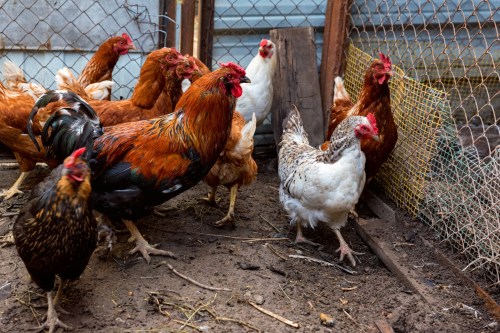
Authorities have reported an outbreak of highly pathogenic avian influenza in Umatilla County, Oregon, particularly affecting backyard poultry in the Stanfield area. The Confederated Tribes of the Umatilla Indian Reservation (CTUIR), in cooperation with the Yellowhawk Tribal Health Center, issued a notification on January 9, 2024, detailing the situation. This marks the second poultry outbreak identified in the region in recent weeks, with both incidents occurring in the northern part of the county.
Details of the Outbreak
The CTUIR and Yellowhawk received confirmation of the outbreak from the Umatilla County Public Health Department. While the Oregon Department of Agriculture (ODA) has previously reported a poultry outbreak on January 2, they will not release a separate statement for this latest incident. However, once the National Veterinary Services Laboratories confirm the presence of avian influenza, the ODA will provide updates on its website.
As part of the response, officials are assessing the number of potential human exposures related to the outbreak. Some individuals may undergo public health monitoring for up to ten days as a safety measure, although no human testing is currently planned.
Public Health Advisory
In conjunction with Yellowhawk, the Umatilla County Public Health Department aims to disseminate general awareness information about avian influenza through social media platforms. However, as of now, there are no official notices about the outbreak on the county’s Facebook page.
The ODA has issued guidelines for the public regarding the handling of sick or dead birds. Residents are advised not to touch these birds but to report any sightings. The appropriate contacts include:
- For domestic birds: Oregon State Veterinarian, email [email protected], phone 503-986-4711 or 800-347-7028.
- For wild birds: Oregon Department of Fish and Wildlife, phone 866-968-2600.
Furthermore, the CTUIR Environmental Health and Safety department provides additional recommendations. These include avoiding contact with bird droppings, feathers, or contaminated surfaces and keeping pets and livestock away from areas where birds gather. Poultry owners should implement enhanced biosecurity measures, such as limiting access to birds and disinfecting tools and footwear.
While human infections with avian influenza are rare, anyone experiencing symptoms such as fever, cough, or respiratory issues after contact with birds should seek medical attention immediately. It is crucial to inform healthcare providers of any potential exposure.
The CTUIR remains vigilant and will continue to monitor the outbreak, providing updates as more information becomes available. The health and safety of the community remain a top priority as the situation develops.