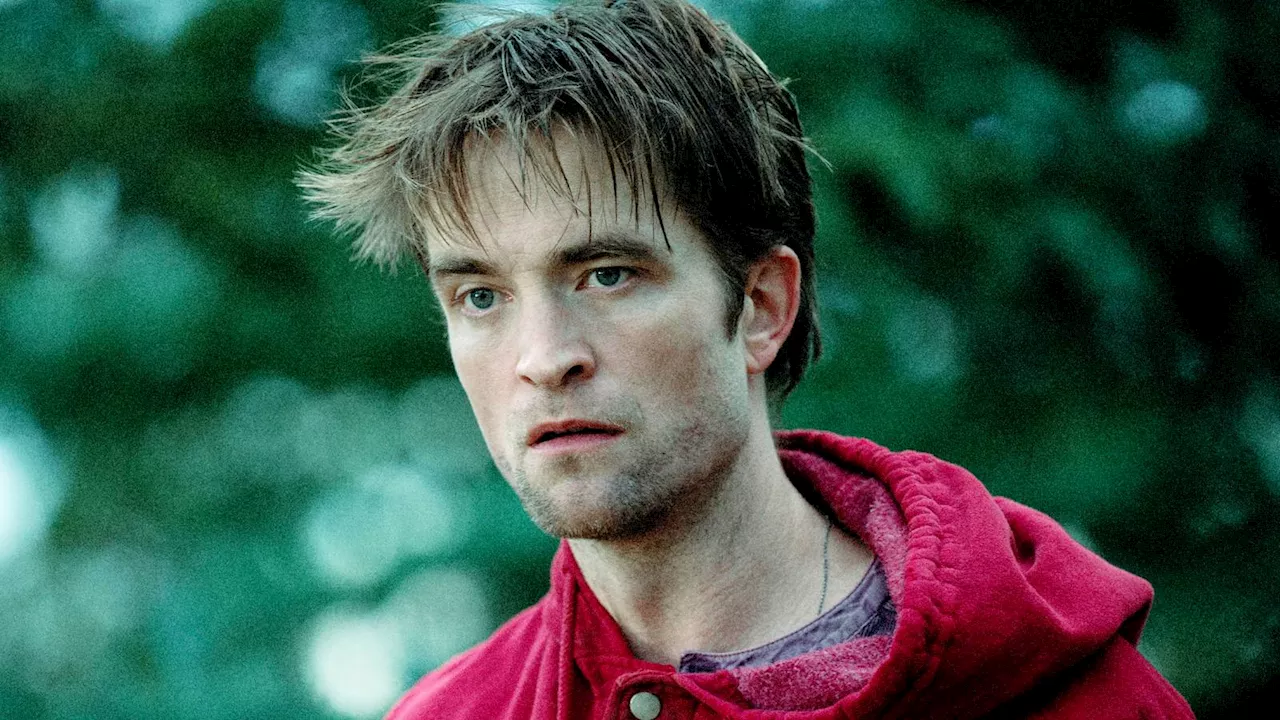
Robert Pattinson’s journey in the film industry represents a notable evolution from a teen heartthrob to one of Hollywood’s most respected actors. Best known for his role in the Twilight Saga, Pattinson has made a conscious effort to redefine his career by taking on complex and challenging roles. His commitment to risk-taking and artistic integrity has allowed him to collaborate with some of the most innovative filmmakers, showcasing his versatility and depth.
Challenging Roles and Diverse Projects
In his latest film, Mickey 17, directed by Bong Joon Ho, Pattinson plays an “Expendable,” a worker who is repeatedly cloned. This role allows him to explore various dimensions of the same character, navigating a narrative filled with absurdity, humor, and moments of genuine horror. Though not as groundbreaking as some of his previous works, Mickey 17 maintains a darkly comedic tone, with Pattinson’s emotional performance anchoring the film’s chaos.
Pattinson’s earlier film, Water for Elephants, marked a significant step in his transition away from the blockbuster realm. As Jacob, a veterinary student who joins a circus, he embodies a classic romantic hero. The film’s sincere storytelling and his chemistry with Reese Witherspoon highlight his capability to lead a prestigious studio drama, even if the role lacks the daring complexity of his later performances.
Another pivotal moment in Pattinson’s career came with Remember Me, where he portrayed a grieving young man dealing with family trauma. Critics noted this performance as a clear attempt to distance himself from his previous roles. Despite a controversial ending, Pattinson’s earnestness in the character was a strong indication of his desire to evolve as an actor.
Rising to Prominence
In The Lost City of Z, Pattinson delivered an understated performance as explorer Henry Costin, showcasing his ability to disappear into a role. Directed by James Gray, the film’s reflective tone complemented Pattinson’s quiet intensity, allowing him to elevate the narrative through restraint and subtlety. This film solidified his reputation as a serious actor capable of tackling demanding projects.
Pattinson’s performance in The Devil All the Time further demonstrated his versatility. By adopting a grotesque Southern accent, he portrayed a corrupt preacher, embodying the film’s unsettling atmosphere. Critics praised his willingness to take on unlikable roles, reinforcing his status as a bold actor unafraid to challenge audience expectations.
With Tenet, directed by Christopher Nolan, Pattinson showcased his ability to balance emotional depth with high-concept filmmaking. As Neil, a mysterious operative, he brought warmth and charm to a complex narrative, helping to humanize the film’s cerebral plot. His performance marked a significant transition into larger studio projects while maintaining the nuance that defines his work.
Arguably, Good Time is the film that most profoundly transformed Pattinson’s career. As Connie Nikas, a desperate criminal, he delivered an intense and relentless performance that captivated audiences. The film’s raw energy and Pattinson’s commitment to portraying a deeply flawed character garnered widespread acclaim, establishing him as a compelling force in contemporary cinema.
Defining Moments in Recent Films
In The King, Pattinson’s flamboyant portrayal of the Dauphin of France added a memorable layer to the film’s historical narrative. His eccentric performance contrasted sharply with the film’s serious tone, showcasing his willingness to embrace stylistic risks. This role earned him accolades, including the British/Irish Actor of the Year award at the London Film Critics Circle Awards.
Pattinson’s portrayal of Batman in The Batman represents one of his most high-profile roles, redefining a beloved character. His interpretation of Bruce Wayne emphasizes internal struggle over traditional heroism, resonating with audiences and critics alike. This film not only revitalized the franchise but also reaffirmed Pattinson’s position as both a leading man and a serious actor.
Finally, The Lighthouse stands as a testament to Pattinson’s artistic bravery. In a psychologically intense narrative opposite Willem Dafoe, he delivers a punishing performance that captivates viewers. The film’s stark visuals and ambiguous themes allow Pattinson to explore dark and comedic elements, solidifying his status as one of the boldest actors of his generation.
Pattinson’s career trajectory illustrates a commitment to challenging himself and pushing the boundaries of his craft. With each role, he continues to redefine what it means to be a leading actor in contemporary cinema. As he navigates future projects, audiences can expect to see even more innovative and fearless performances from this talented actor.