Marathon, the highly anticipated title set to release soon, features a complex system of six factions that players can engage with as mercenaries. As part of these interactions, players will complete contracts that advance the interests of each faction while earning valuable loot and upgrades. This article breaks down the structure of the factions and how their contract system operates.
Understanding the Faction System
At launch, players will have the opportunity to work with six distinct factions, each offering a set of contracts that involve tasks such as finding items, looting, or engaging in combat. During the upcoming Marathon server slam, only five factions will be available, as the sixth faction, Sekiguchi, will not be included.
Completing contracts yields rewards in the form of loot, including crucial gear and resources. The contracts fall into three categories: standard, boosted, and priority. Players earn faction reputation by completing these contracts, which is also accrued by successfully extracting while holding an active contract. This reputation is essential for leveling up within a faction, providing access to seasonal upgrades, starting loadouts, and increased vault space.
It is important to note that faction upgrades will be temporary. Players will need to continually rank up to unlock new upgrades after each seasonal reset. This system bears similarities to the Seasonal Artifact from Destiny 2, but on a broader and more resource-intensive scale.
The Factions and Their Roles
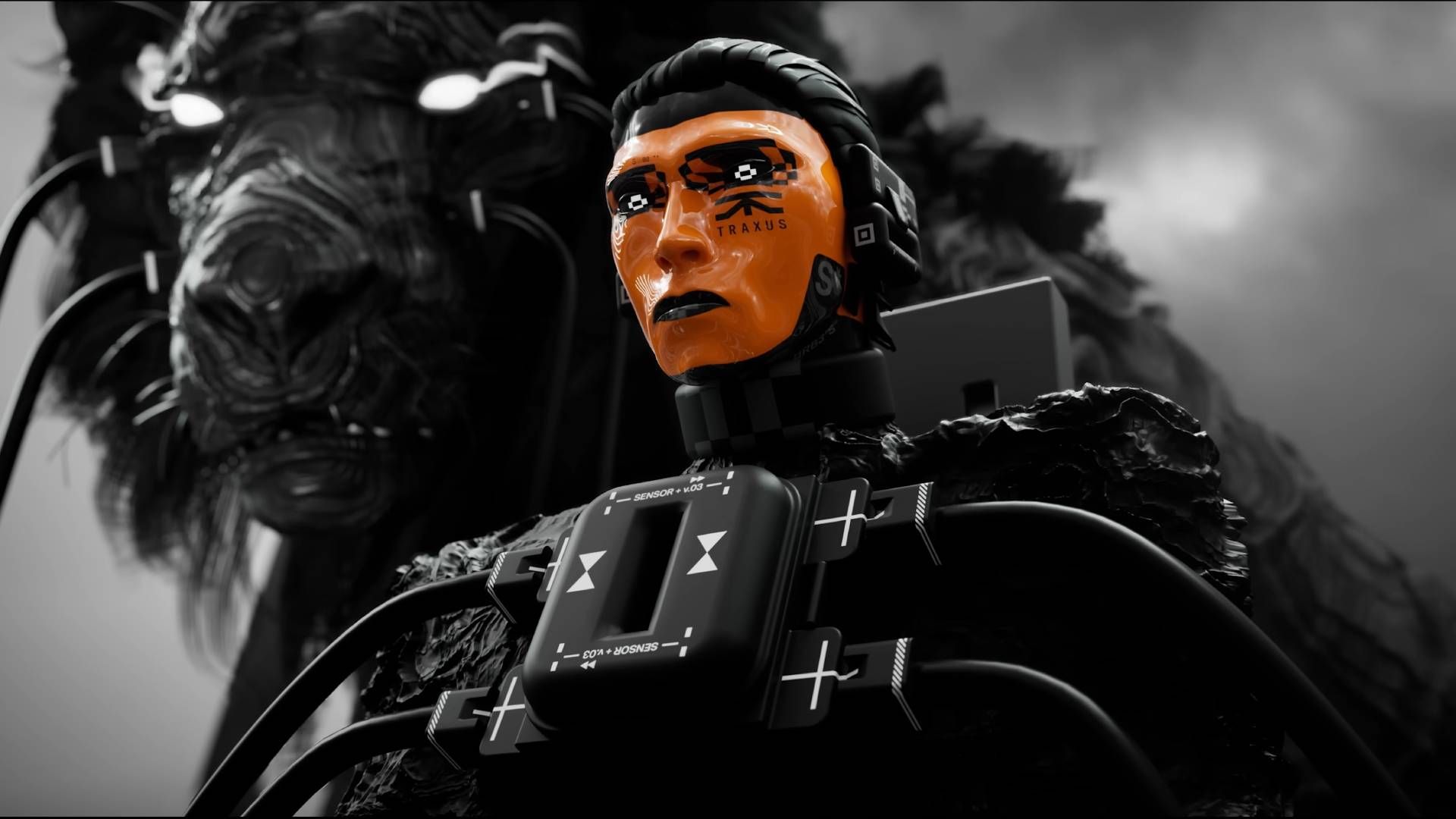
Each of the six factions plays a unique role within the game’s narrative. The primary antagonistic force is the UESC (United Earth Space Council), which poses a significant threat to the players known as Runners. The UESC deploys advanced humanoid combat drones to patrol the Tau Ceti IV colony, targeting any intruders.
Players will frequently engage with the UESC in combat but will not be able to represent them or complete contracts on their behalf like they can with the other factions. Additionally, there have been hints of the return of the S’pht compilers, cyborg aliens that possess the ability to interface with human technology. This suggests that elements from the original Marathon series, released in the 1990s, may make a comeback.
The loot players can expect to receive as rewards for their efforts may include Marathon Cores, which have been teased for the server slam. As the launch date approaches, excitement continues to build among the gaming community.
In summary, the intricacies of the faction system and contract mechanics in Marathon provide players with a dynamic and engaging experience. As players embark on their journeys, understanding these elements will be crucial for maximizing their success in the game.