The new Netflix film War Machine, directed by Patrick Hughes, showcases a blend of classic action elements inspired by iconic science fiction films. The director, known for his work on The Hitman’s Bodyguard, draws heavily from cinematic touchstones such as Predator (1987) and Aliens. Hughes aims to recreate the essence of 1980s action movies, utilizing practical effects and real locations to enhance authenticity.
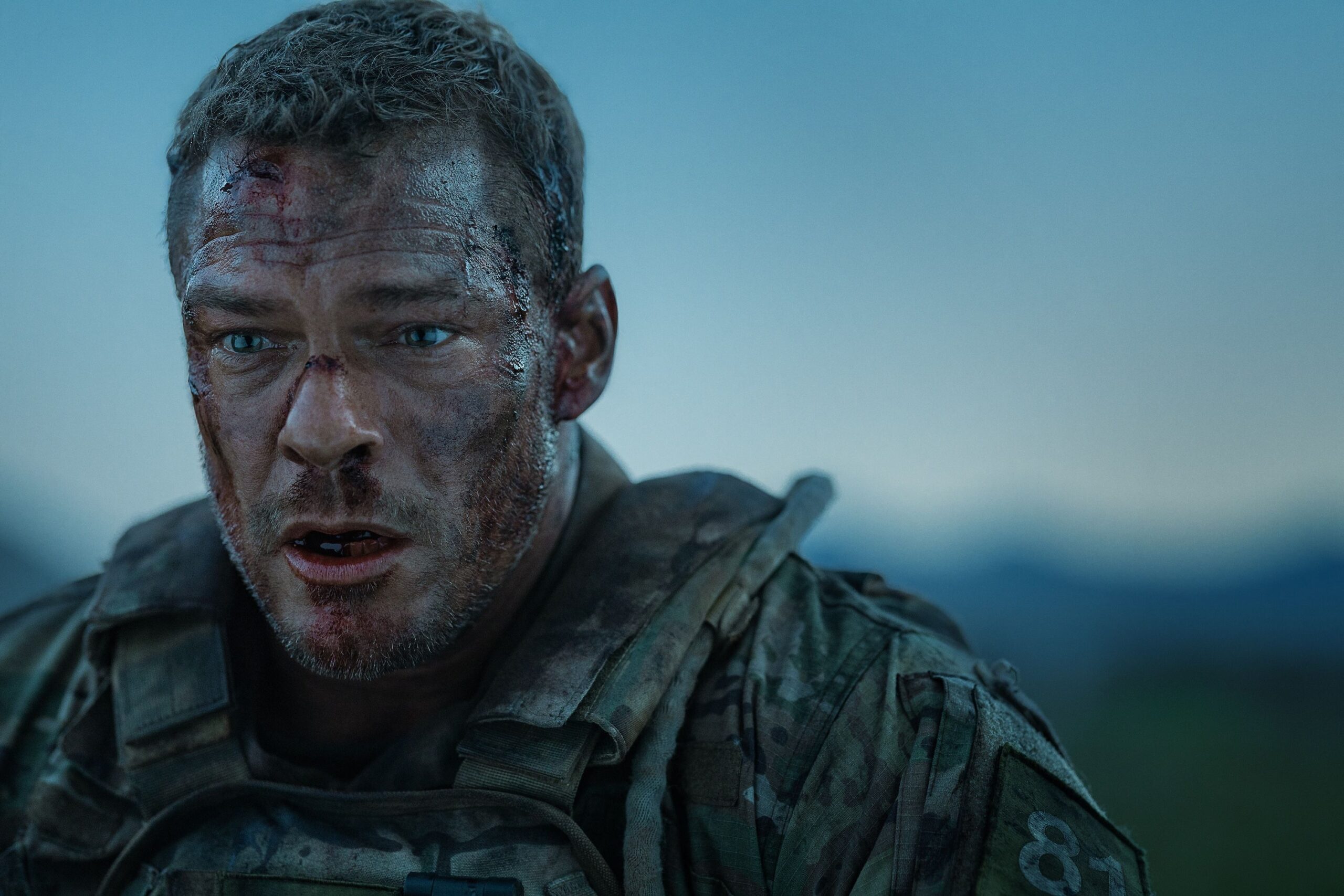
In the film, Alan Ritchson stars as “81,” an Army Ranger candidate embroiled in a combat simulation that becomes all too real when an alien invader begins to eliminate his squad. One of the film’s standout moments features a dramatic scene where characters are propelled off a cliff. Hughes describes this as a pivotal moment in the filming process, stating, “That was day one, take one, shot one, I kid you not.” He emphasizes the importance of starting strong, capturing the film’s tone with a spectacular stunt involving twelve actors and explosive effects.
Ritchson recalls this sequence as “one of the rare moments” where his stunt double, Ryan Tarran, took the hit. The intensity of the situation was underscored by the injuries sustained, with Ritchson noting Tarran’s visible bruising. “That stunt was real, and the bumps and bruises were real. That shot was earned,” he remarked, highlighting the dedication of the stunt team.
Hughes’ approach to action sequences revolves around emotional engagement. He believes that each stunt should connect with a character’s desires or the audience’s emotions. “In any sort of stunt, we’re breaking it down into story form, saying, ‘What is the object of desire?’” Hughes elaborates. A notable sequence, described as an “insane Guardian chase,” exemplifies this philosophy. This scene features Ritchson’s character and his team battling the alien attacker while attempting to escape in an armored vehicle.
The chase sequence is structured in three acts, allowing the characters moments of optimism before the situation worsens. Hughes notes that the best action sequences often possess a rhythmic flow, creating a dynamic viewing experience. “It keeps going and going right to the end, and then you go, ‘Whoa, whoa, hang on, what did I just watch?’” he said, reflecting on the audience’s potential reactions.
An intriguing aspect of Hughes’ storytelling is the concept of “false victories.” He describes this as a mechanism that shifts the audience’s expectations, leading to moments of tension and surprise. “We think, ‘Oh, OK, the heroes won!’ And then you completely reverse that,” he explains. This technique not only enhances the narrative but also keeps viewers on the edge of their seats.
The production employed various techniques to amplify the impact of the action. Wire gags and a movable gimbal were used to simulate the chaos inside the vehicle during the chase. “It’s very difficult shooting inside vehicles, inside of contained spaces,” Hughes noted. Ritchson added humorously, “There were a lot of sharp edges,” referring to the challenges faced during filming.
While Ritchson allowed his stunt double to take the fall in one instance, he performed most of his own stunts, emphasizing the visceral experience for the audience. “I don’t really have a line [for what I will or won’t do],” he stated. “The visceral experience — that palm-sweaty kind of emotional reaction you have while watching that — comes from the fact that we’re in it together, the audience and us.”
With its blend of nostalgia and modern storytelling, War Machine is now streaming on Netflix, inviting audiences to witness a thrilling ride that pays homage to classic action cinema while delivering fresh excitement.