Brokeback Mountain, directed by Ang Lee, premiered on September 2, 2005, at the Venice Film Festival and later graced theaters on December 9, 2005. Now, as the film celebrates its 20th anniversary, its themes of love and loss continue to resonate with audiences worldwide. The story, based on a short story by Annie Proulx, chronicles the complex relationship between two men, Ennis Del Mar and Jack Twist, portrayed by Heath Ledger and Jake Gyllenhaal, respectively.
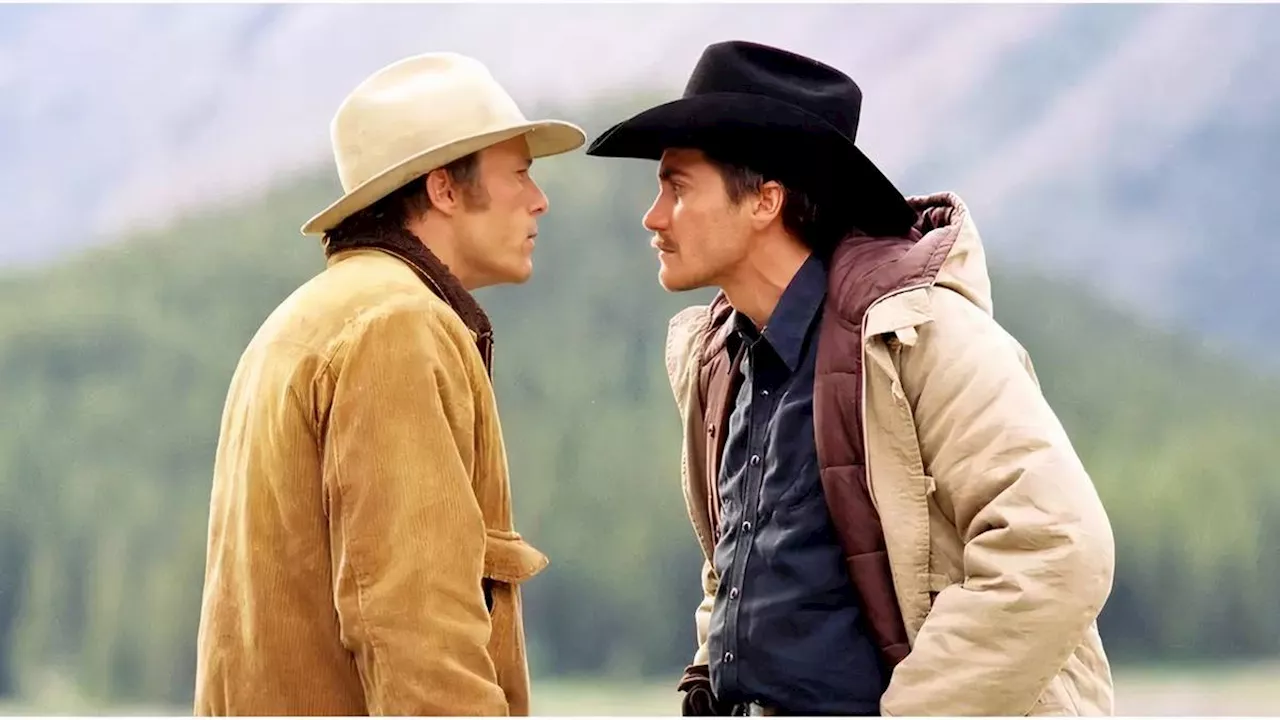
Set against the breathtaking backdrop of the American West in the early 1960s, the film captures the intense, often tumultuous bond between its protagonists. Their first encounter on Brokeback Mountain is charged with a mix of passion and conflict, as they grapple with their emotions in a society that rigidly enforces heterosexual norms. The film’s portrayal of their relationship emphasizes not just external challenges, but also the internal struggles faced by individuals navigating their identities within a repressive framework.
The cinematography, executed by Rodrigo Prieto, enhances the narrative, framing Jack and Ennis against the expansive landscapes that symbolize both freedom and confinement. In a world devoid of prying eyes, the characters still manage to conceal their true selves, highlighting the pervasive influence of societal expectations.
Brokeback Mountain is not merely a love story; it serves as a profound commentary on the conflict between personal desire and societal pressures. The film delves into the emotional turmoil that both men endure as they attempt to reconcile their feelings with the realities of their lives. Ennis, portrayed by Ledger, is particularly emblematic of this struggle, wrestling with his identity while striving to fulfill the roles expected of him as a husband and father.
The narrative unfolds with an innovative approach to time, as Geraldine Peroni and Dylan Tichenor, the film’s editors, create a sense of timelessness within the relationship. The moments between Jack and Ennis feel suspended, allowing their love to develop in silence, communicated through meaningful glances and subtle gestures. This deliberate pacing emphasizes the depth of their connection, contrasting sharply with the conventional storytelling methods often seen in mainstream cinema.
Over the years, the film has garnered critical acclaim, despite facing significant backlash upon its release. Many believed that the Oscar-winning drama Crash outperformed Brokeback Mountain for Best Picture due to the latter’s challenging themes. Yet, as the years have passed, it has become evident that Brokeback Mountain offers a richer exploration of human emotion and connection.
The performances of Ledger and Gyllenhaal remain iconic, embodying the complexities of love and masculinity in a way that resonates deeply with audiences. Ledger’s portrayal of Ennis captures a man burdened by societal expectations, while Gyllenhaal’s Jack represents a more open yet equally tormented spirit. Their chemistry is palpable, making their shared moments both heartbreaking and beautiful.
The film also explores the impact of their relationships with the women in their lives. Michelle Williams, as Ennis’s wife Alma, delivers a poignant performance that underscores the pain of unspoken truths. Anne Hathaway plays Lureen, Jack’s wife, revealing how emotional distance can shape lives over time. Both women add layers of complexity to the narrative, illustrating the far-reaching effects of the protagonists’ choices.
Despite not winning the coveted Best Picture award at the 2006 Oscars, Brokeback Mountain secured its place in cinematic history by earning nearly $180 million at the box office against its modest $14 million budget. It won three Academy Awards, including Best Director for Ang Lee and Best Adapted Screenplay, while Ledger, Gyllenhaal, and Williams received nominations for their outstanding performances.
The tragic loss of Ledger in 2008 adds a profound weight to his performance, prompting audiences to reflect on the potential artistry he could have offered had he lived longer. His portrayal of Ennis, a man who has seemingly erased his identity in the pursuit of conformity, leaves a lasting impression, especially when viewed through the lens of his untimely death.
Today, Brokeback Mountain stands as a pivotal work in the representation of LGBTQ+ narratives in mainstream cinema. It broke barriers and opened doors for future films, allowing for greater visibility and acceptance. Its legacy lies not only in its storytelling but in its ability to evoke empathy and understanding among diverse audiences.
As the film marks its 20th anniversary, it remains a poignant reminder of the struggles faced by those who love outside societal norms. The haunting score by Gustavo Santaolalla and the stunning visuals continue to evoke emotions, ensuring that the story of Jack and Ennis will echo for generations to come.