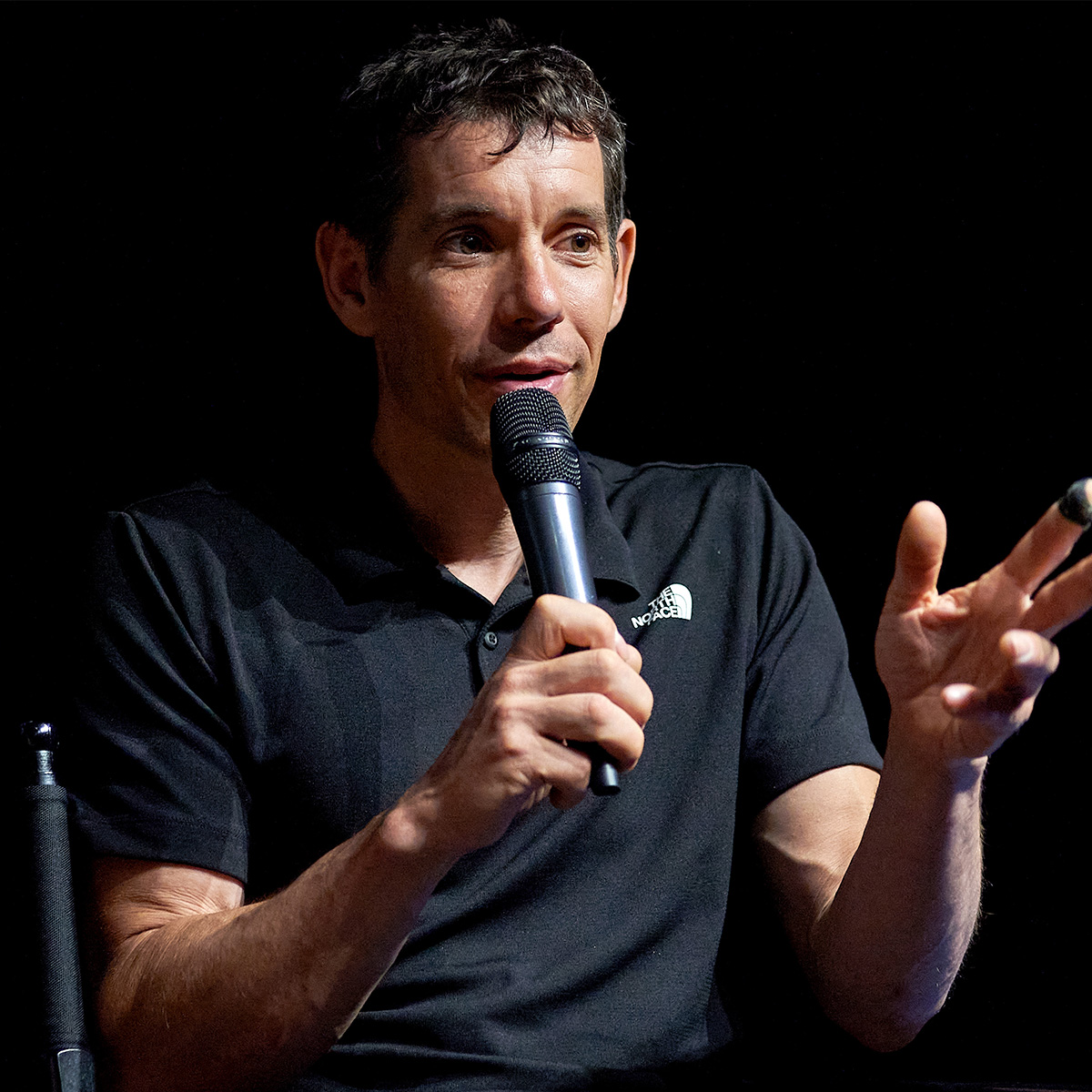
Professional rock climber Alex Honnold recently revealed that his earnings from the high-profile free solo climb of Taipei 101 are significantly lower than those of athletes in major sports. During a live broadcast on Netflix on January 25, 2023, Honnold ascended the 1,667-foot skyscraper without any safety equipment, a feat that he described as “embarrassing” in terms of financial compensation.
In an interview with the New York Times, Honnold commented on the disparity between his earnings and those of professional athletes in more mainstream sports. “If you put it in the context of mainstream sports, it’s an embarrassingly small amount,” he stated, mentioning contracts in Major League Baseball that can reach up to $170 million. While he did not disclose his exact payment, he mentioned it was in the “mid-six figures” range for the climb.
Despite the relatively modest paycheck, Honnold expressed that he would have undertaken the climb even without financial compensation. “If there was no TV program and the building gave me permission to go do the thing,” he explained, “I would do the thing because I know I can, and it’d be amazing.” The 40-year-old climber, who has two daughters, June and Alice, with wife Sanni McCandless, completed the climb in just over an hour and a half.
Honnold’s free solo ascent of Taipei 101 is not his first major achievement. In 2017, he made history by climbing El Capitan in Yosemite National Park without safety ropes, a journey that was captured in the Oscar-winning documentary Free Solo. Reflecting on the motivation behind the Taipei 101 climb, he shared that the dream had been in his mind for over a decade. “I actually scouted it for a different TV thing that fell apart in 2013,” Honnold explained during an episode of the Jay Shetty Podcast. “So, for the last 12 years I’ve known that it was possible. The building is honestly uniquely suited for climbing.”
When asked why he would choose to attempt such a dangerous climb, his answer was straightforward. “Why? Because it’s awesome,” he said. “Because I get to, basically. Because it’ll be so fun.” He also noted that gaining permission to climb such a building is a rare opportunity, making it difficult to turn down.
Honnold’s comments highlight a broader conversation about compensation in sports. While some athletes enjoy lucrative contracts, many others, particularly in niche sports, earn far less despite their extraordinary achievements.
This contrast becomes even more apparent when looking at the earnings of other top athletes. For instance, football star Cristiano Ronaldo reportedly signed a contract with Al-Nassr FC worth approximately $200 million annually, while soccer icon Lionel Messi secured a deal with Inter Miami CF that averages over $20.4 million per year.
In the realm of women’s sports, the pay gap remains a significant issue. The absence of women on Forbes’ list of the highest-paid athletes illustrates the disparities that still exist. Alex Morgan, who retired in 2024, was listed as one of the highest-paid female athletes, earning an estimated $600,000 on-field and another $7 million off the field through endorsements.
The conversation around athlete compensation continues to evolve, raising questions about equity and recognition across different sports and disciplines. As Honnold continues to push the limits of climbing, his reflections on pay serve as a reminder of the varying landscapes within the world of professional sports.