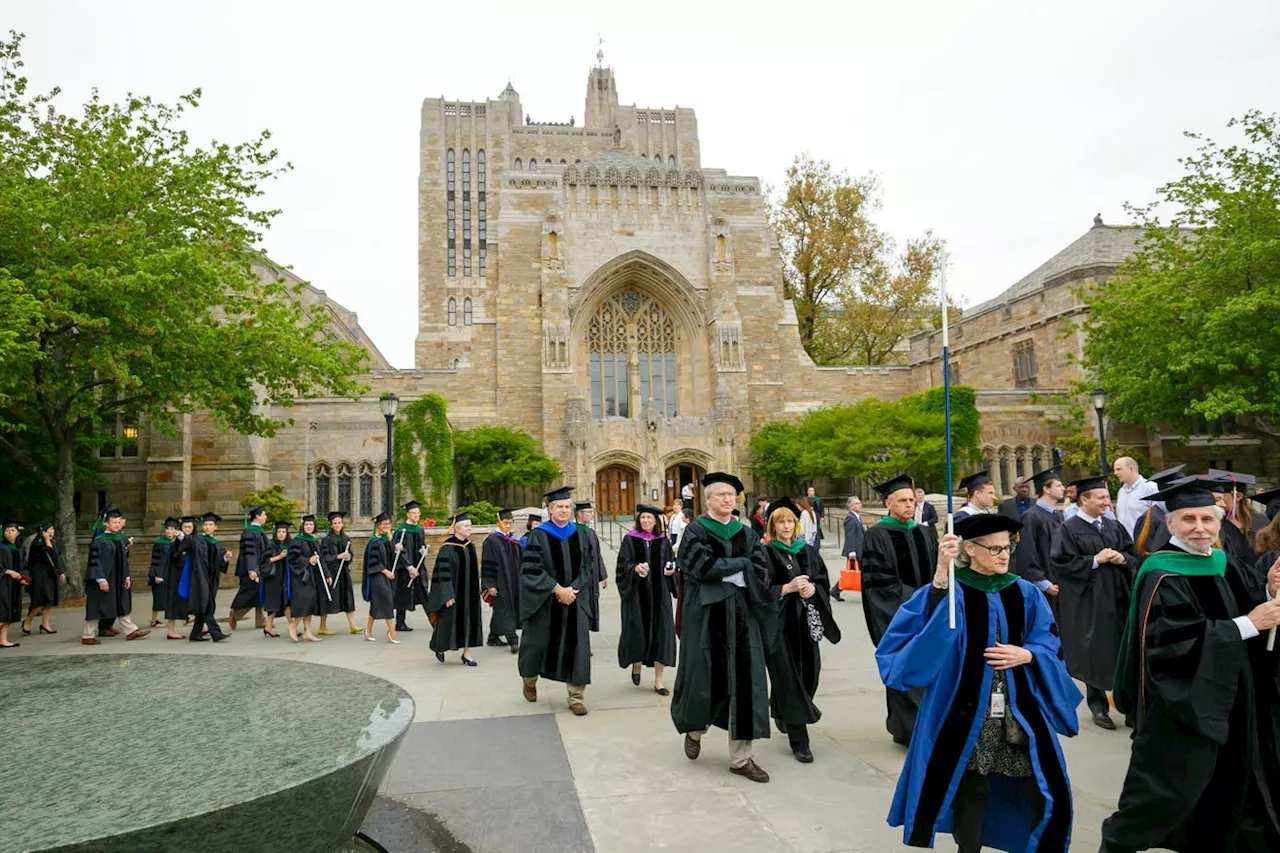
Yale University has announced a significant expansion of its financial aid program, offering free tuition for new undergraduates from families with incomes below $200,000. Beginning next academic year, Yale will also cover all educational costs for students from families earning less than $100,000. This initiative aims to increase accessibility to a Yale education and will make over 80% of American households eligible for at least a scholarship covering tuition.
This expansion builds on Yale’s long-standing commitment to need-based financial aid, which has included “zero parent share” awards since 2010. These awards cover the full cost of all billed educational expenses, such as tuition, housing, and meal plans, along with estimated travel costs and a $2,000 start-up grant for students. The university has raised its eligibility threshold for these scholarships from $65,000 to $75,000, which now qualifies over 15 million American families with school-aged children. With the new $100,000 threshold, almost half of all American households with children aged 6 to 17 will be eligible for a full-ride financial aid package.
Yale’s Dean of Undergraduate Admissions and Financial Aid, Jeremiah Quinlan, expressed enthusiasm about the initiative, stating, “I am thrilled that Yale is making this important investment in affordability. With this announcement, we reiterate and reinforce Yale’s commitment to ensuring that cost will never be a barrier between promising students and a Yale College education.”
Currently, over 1,000 Yale students benefit from zero parent share awards, and 56% of all undergraduates receive some form of need-based aid. The average grant for students receiving financial assistance exceeds the annual cost of tuition, highlighting Yale’s dedication to supporting its students.
The recent trend of expanding financial aid programs is not limited to Yale. Other institutions such as Johns Hopkins University, the University of Utah, and Wake Forest University have also launched or enhanced free tuition initiatives for income-eligible students. This movement is gaining momentum as colleges respond to public concerns regarding the high cost of education and the perceived value of a college degree.
As elite institutions like Yale increase their financial aid offers, they also respond to broader societal issues, including the socioeconomic factors influencing college access. The correlation between income and race has prompted many universities to reconsider their financial aid strategies, particularly in light of recent Supreme Court decisions affecting admissions policies.
The competitive landscape of college admissions is evolving, and institutions are likely to continue enhancing their financial aid offerings in an effort to attract a diverse student body. With rising tuition costs and a declining number of high school graduates, universities are increasingly focused on ensuring that economic barriers do not prevent talented individuals from pursuing higher education.
Yale’s commitment to affordability and inclusivity may set a precedent for other institutions, further shaping the future of financial aid in higher education. As this trend develops, it will be essential to monitor how these changes impact enrollment and the overall landscape of college admissions in the coming years.