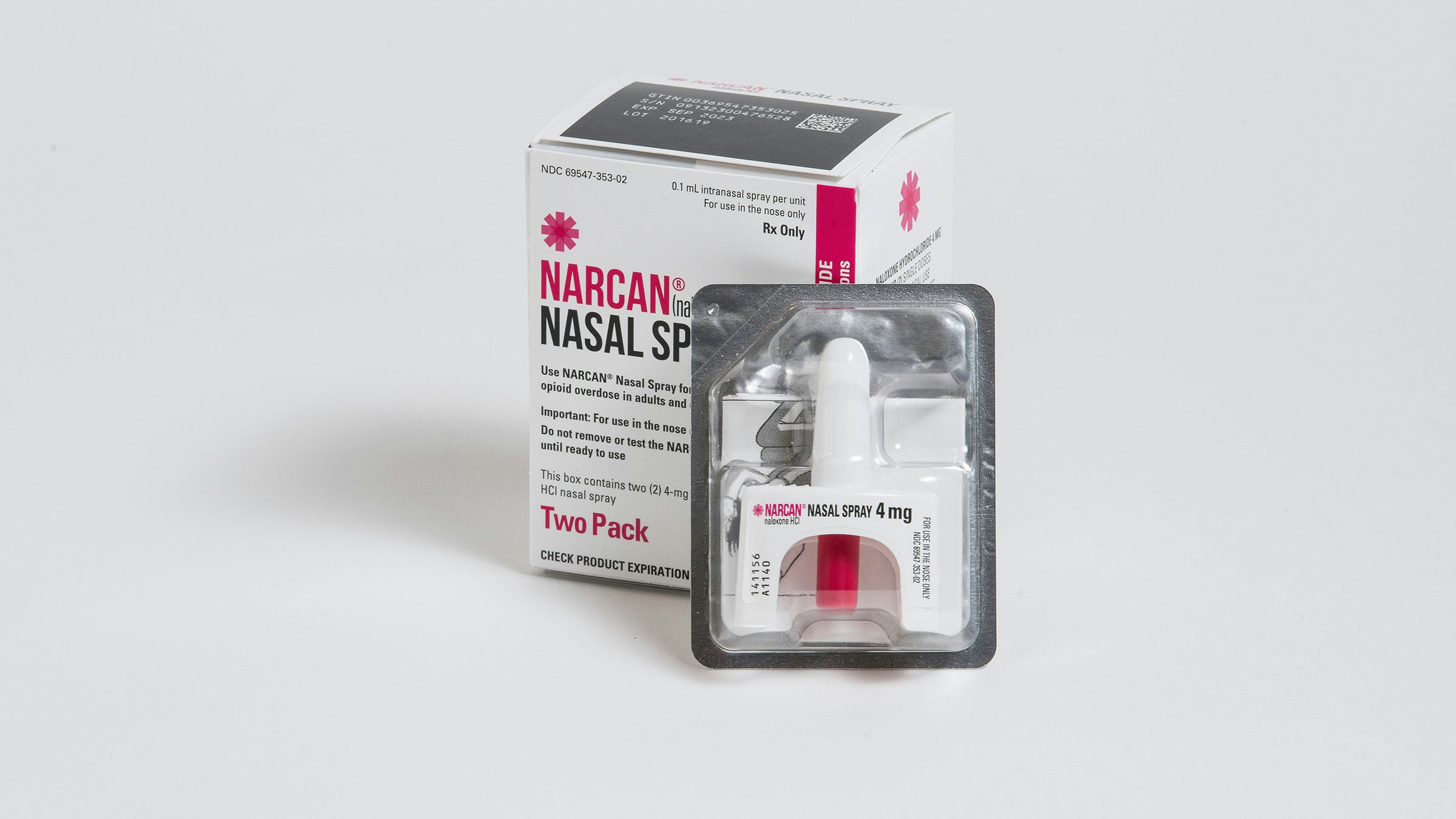
Research from the University of Southern California (USC) has shed light on the intricate mechanisms by which naloxone, commonly known by its brand name Narcan, effectively reverses opioid overdoses. This breakthrough, published in the journal Nature, offers crucial insights into the drug’s action at the molecular level, enhancing understanding of its therapeutic effects.
Naloxone is a critical tool in the United States’ ongoing battle against the opioid crisis, capable of restoring breathing in individuals experiencing an overdose within minutes. Despite its approval for medical use by the Food and Drug Administration (FDA) in 1971 and subsequent over-the-counter availability in 2023, the precise way naloxone operates has remained unclear.
Understanding Opioid Interaction
To comprehend how naloxone works, it is essential to examine the biology of opioids and their receptors. One significant player in this process is the μ-opioid receptor (MOR), which is primarily located in the brain and spinal cord. This receptor interacts with opioids, including natural endorphins and synthetic drugs like fentanyl, to alter pain response and induce feelings of euphoria. However, this interaction can also lead to life-threatening side effects, such as slowed breathing and heart rate during an overdose.
Research indicates that naloxone acts as an antagonist to these receptors, competing with opioids for binding sites. By doing so, it effectively blocks the receptors from triggering harmful effects. Saif Khan, a Ph.D. candidate at USC, and his team aimed to visualize this process in action, capturing images that illustrate naloxone’s impact on the receptor and its associated G proteins.
Visualizing Naloxone’s Mechanism
The research team employed a technique known as cryo-electron microscopy to freeze the molecular interactions and observe how naloxone and other opioids engage with the μ-opioid receptor. They successfully captured several transitional states of this interaction, revealing critical insights into how naloxone stabilizes the receptor in an inactive state.
The findings indicate that naloxone jams the mechanism right at the beginning of the opioid signaling process, preventing subsequent steps that would lead to overdose symptoms. The research identified four distinct structural states that occur before the G protein releases the opioid molecule, with naloxone effectively halting the transition to active states.
These insights provide a clearer picture of the molecular basis for naloxone’s quick action against opioid overdoses. By stalling the receptor and G protein at an inactive state, naloxone effectively shuts down opioid signaling, which is crucial in reversing an overdose.
The research not only elucidates naloxone’s action but also paves the way for future advancements in opioid pharmacology. With a better understanding of how opioids interact with their receptors, researchers can develop new medications that may provide longer-lasting protection against overdoses.
As the opioid crisis continues to impact communities across the globe, discoveries like these hold significant promise for improving treatment options and saving lives. By mapping the interaction of opioids with their receptors, scientists can explore new pathways for creating effective antidotes and safer opioid medications.
The implications of this research are profound, potentially leading to the next generation of overdose antidotes that could address the challenges posed by potent synthetic opioids like fentanyl. As the fight against the opioid epidemic evolves, the work conducted by USC researchers exemplifies the critical role of scientific inquiry in developing effective public health solutions.