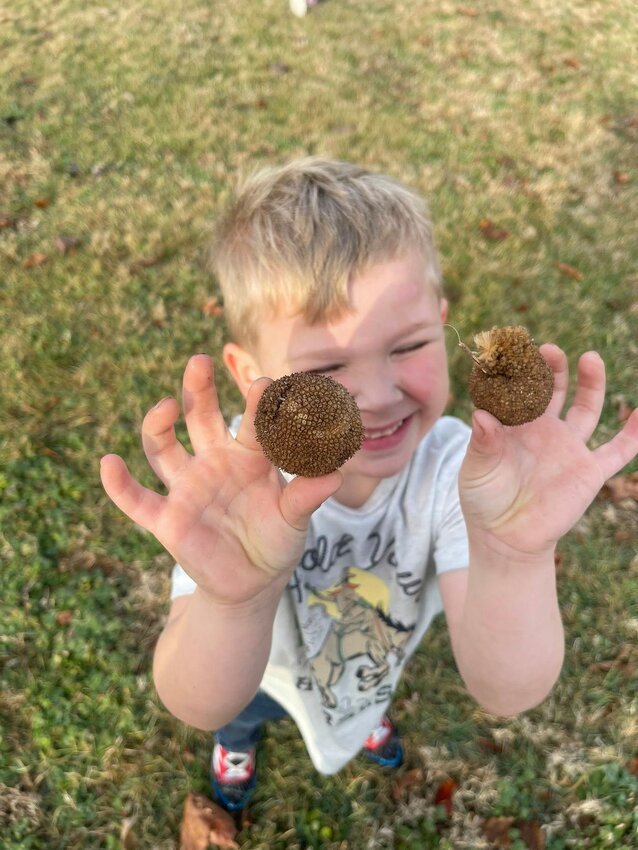
Students at Sharon School in Weakley County, Tennessee, are expanding their learning beyond traditional classroom settings through immersive, hands-on experiences that emphasize the significance of nature and agriculture. Recently, Pre-K students participated in outdoor activities designed to foster curiosity about their environment, where they discovered various elements of nature.
The outdoor exploration provided a platform for students to observe and appreciate the natural world. According to school officials, these experiences are crucial in building a sense of wonder among students while reinforcing the curriculum through real-life applications. The initiative aims to instill a greater understanding of the environment in young learners.
In addition to outdoor exploration, second-grade students at Sharon School are involved in a seasonal project that has them hatching baby chicks, which were generously donated by the Weakley County Farm Bureau Women. This project not only teaches the students about the life cycle of chickens but also instills a sense of responsibility through direct interaction with the hatchlings.
The chick hatching project is designed to provide students with a tangible learning experience. It encapsulates various educational components, such as biology, responsibility, and empathy. Educators emphasize that engaging with live animals can create lasting impressions on young minds, helping to shape their understanding of life sciences.
School officials noted that these hands-on activities are instrumental in developing skills that transcend academic learning. By participating in projects that connect them to real-world scenarios, students are encouraged to ask questions and seek answers, further enhancing their educational journey.
Through initiatives like outdoor exploration and chick hatching, Sharon School is fostering an environment where curiosity and responsibility thrive. Such programs not only enrich the students’ academic experiences but also prepare them to become informed and engaged members of their communities.