High school students from areas affected by the Eaton and Pacific Palisades wildfires are sharing their stories of resilience and loss through the USC Annenberg Wildfire Youth Media Initiative. This program, launched by the USC Annenberg School for Communication and Journalism, empowers young individuals to document their experiences and those of their communities following the devastating fires that struck Los Angeles County.
The initiative began in early July 2025, offering 18 students a unique opportunity to engage with their communities through storytelling. One participant, Ashley Hernandez, recalls her family’s harrowing experience during the Eaton fire. After moving into a new home in Altadena, she and her family were forced to evacuate on January 9, leaving behind essential documents and personal belongings. Tragically, while their previous home survived, their new residence did not. “My parents are pastors, and our church also burned down,” Hernandez explained. “My high school and everything around it were also damaged.”
The Wildfire Youth Media Initiative, spearheaded by Talia Abrahamson, a junior fellow at the USC Annenberg Center on Communication Leadership & Policy (CCLP), provided students with the tools to create oral histories about the fires and their aftermath. Through a series of hands-on workshops, participants learned interview techniques, the role of journalism in society, and technical skills necessary for producing podcasts, video interviews, and written pieces.
Empowering Young Voices
The program, which ran from July 15 to August 7, 2025, involved collaboration between USC faculty, professional journalists, and CCLP staff. The initiative also prioritized mental health support, helping students process their own experiences while conducting interviews that often elicited strong emotions. The oral histories created by the students are now part of an archive at the Los Angeles Public Library, unveiled on the one-year anniversary of the fires.
According to Rebecca Haggerty, a professor at USC Annenberg and the program director, the collaboration with various partners, including public media and news organizations, aims to set a precedent for engaging youth in community recovery after disasters. “The hope is that this can be a model for engaging young people and multiple community institutions after this kind of tragedy,” Haggerty stated.
Real Stories, Real Impact
Participants like Alexandra Newman, a senior at Marlborough School, found the initiative to be a meaningful outlet for their experiences. After learning about the program through neighborhood WhatsApp groups, she saw it as an opportunity to contribute to the community dialogue surrounding the fires. “Some of my friends weren’t really comfortable talking about the fires in the moment,” she said. “But I really liked the idea of sharing my experiences.”
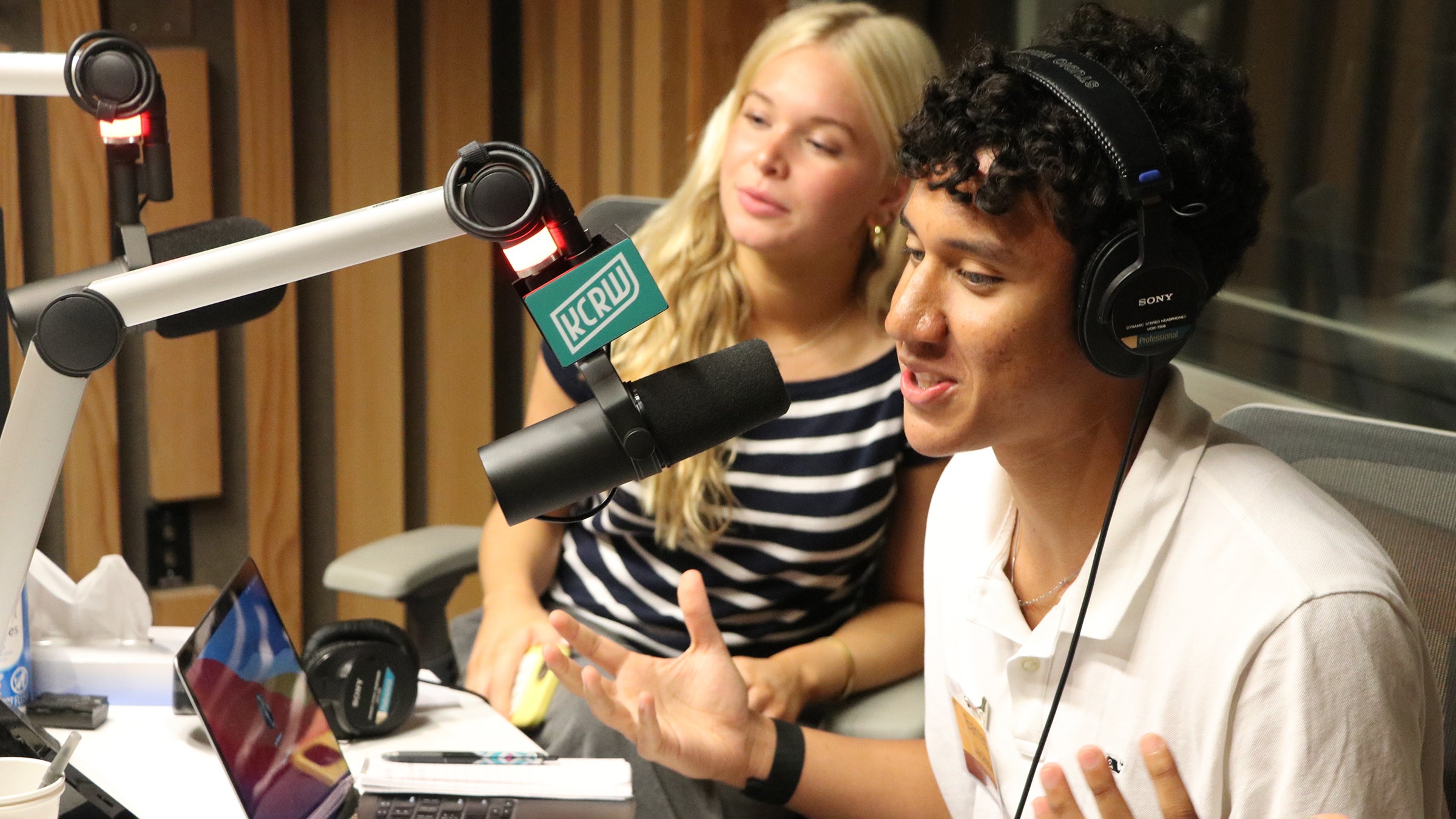
The workshops, led by USC faculty such as Leslie Berestein Rojas and Joseph Itaya, covered various topics, including storytelling techniques that address trauma and resilience. Guest speakers from reputable media outlets, including KCRW-FM and the Los Angeles Times, provided insights into ethical journalism practices, further enhancing the students’ understanding of their roles as storytellers.
During the initiative, students organized listening sessions at the Pasadena Playhouse and KCRW headquarters, where they engaged community members in discussions about their experiences during the fires. Andrew Sweet, a junior at Marshall Fundamental, produced a podcast focusing on a British couple who lost their home in Pacific Palisades, capturing how their lives intertwined with the local community. “It was really significant to tell their story,” Sweet said.
The initiative not only equipped students with technical skills but also fostered a deeper understanding of shared experiences across diverse backgrounds. Hernandez noted, “It really shifts your perspective to see kids that have experienced the same thing, even if they’re from different social backgrounds. Really, we’re all Angelenos.”
As the program concluded, participants formed the Media Action Project (MAP), an advisory council aimed at continuing the initiative’s efforts and supporting other communities impacted by natural disasters. Abrahamson believes that the collective experiences of the students can serve as a guiding light for future initiatives, stating, “There is something unifying for young people in the face of a disaster.”
The USC Annenberg Wildfire Youth Media Initiative exemplifies how storytelling can be a powerful tool for healing and community engagement. As students like Hernandez and Newman continue to pursue their passion for journalism, they reflect on the resilience they have witnessed within their communities and the hope that lies ahead. “What’s happened has happened — now what are we going to do to move forward?” Hernandez concluded, emphasizing the importance of looking toward the future.