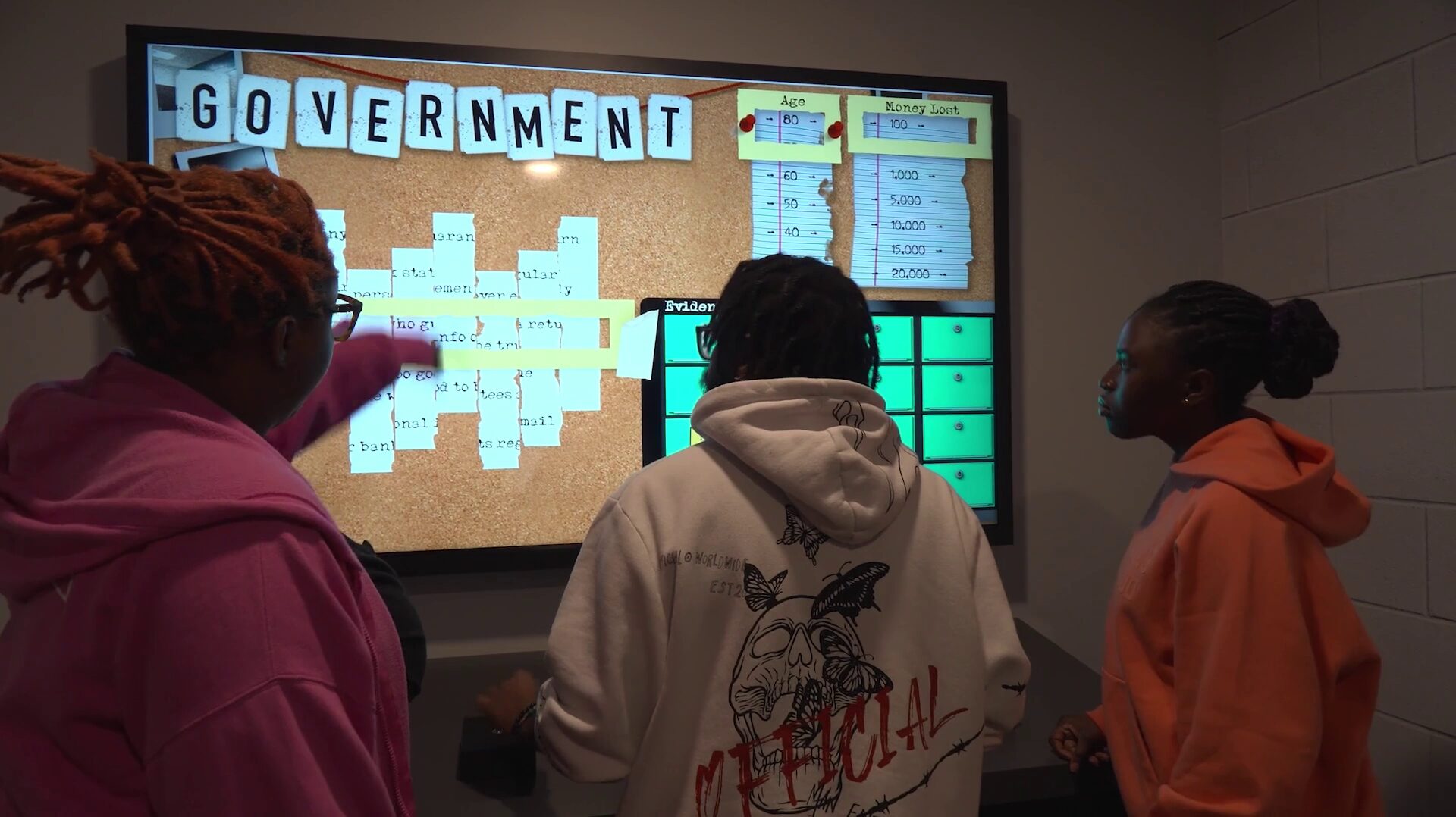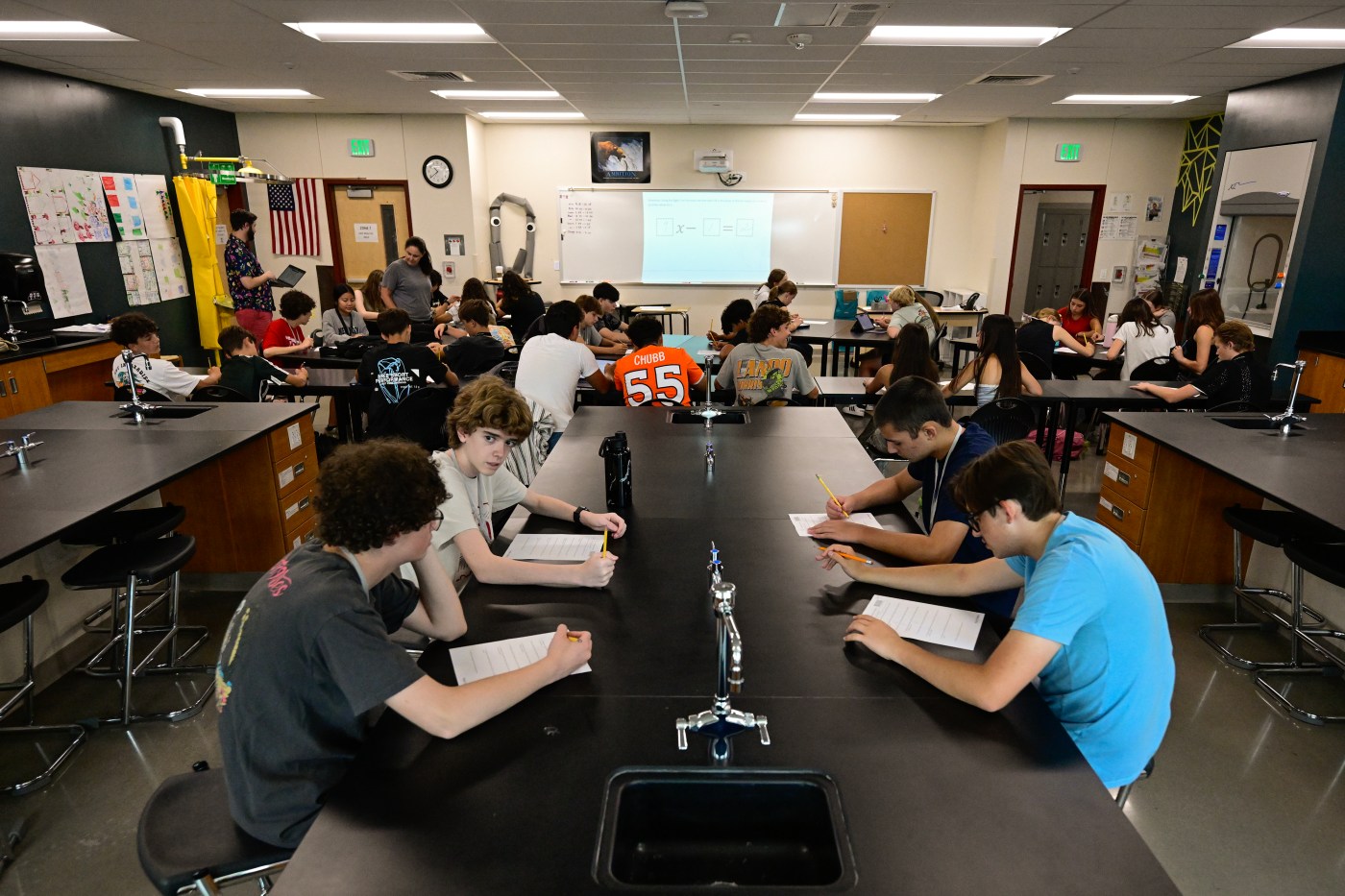
A growing trend in U.S. education is shifting students’ focus from traditional mathematics to data science, raising concerns about the long-term implications for foundational math skills. In a recent classroom session at an all-girls STEM middle school in Palo Alto, California, students engaged in hands-on activities involving pie charts and data interpretation. This initiative is part of the Youcubed program, designed by Stanford University to enhance students’ familiarity with data analysis.
This movement reflects a broader effort across the nation to engage struggling students in mathematics through coursework that feels relevant and approachable. Many schools are adopting data science as a substitute for Algebra 2, a traditional core subject. While these changes aim to make math more engaging, educators warn that they may inadvertently lower academic standards.
Recent years have seen educators grappling with high failure rates in traditional math classes. In response, some institutions have embraced innovative curricula that prioritize student interest over rigorous content. While these programs are well-intentioned, critics argue that they risk omitting essential core math concepts. As a result, students may enter the workforce with gaps in their knowledge, believing they are well-prepared for jobs that require advanced mathematical skills.
Data from the National Assessment of Educational Progress shows that nearly 80% of 12th graders score below national proficiency standards. This troubling statistic reflects decades of ineffective teaching strategies and an educational system that has struggled to adapt, particularly during and after the pandemic. The shift toward data science courses, while appealing, does not address the underlying issues of mathematical proficiency.
California’s experience serves as a cautionary tale. Approximately a decade ago, the state’s university system began accepting certain data science classes, including Youcubed, as substitutes for Algebra 2. Advocates promoted data science as a more engaging alternative to the traditional progression from algebra to calculus, arguing it would provide students with practical skills for a data-driven world. However, many math professionals voiced their concerns. In 2022, over 1,700 academics signed an open letter warning that prioritizing “shallow courses” would undermine STEM education.
While California ultimately retracted its decision, other states such as Connecticut, Maryland, Utah, and Virginia are exploring similar paths. Ohio has already implemented data science as a substitute for Algebra 2 since 2022.
The importance of student engagement in math education cannot be overstated. Yet, educators emphasize that true enjoyment of math comes from practice and mastery of fundamental concepts. Elementary educators should focus on ensuring students grasp essential skills, such as multiplication and fractions, before advancing to more complex topics like Algebra 1. Research has shown that completing Algebra 1 by ninth grade correlates strongly with earning a bachelor’s degree and achieving higher earnings.
To truly support students, school districts should adopt research-based programs with proven success rates, such as the Calculus Project, which aims to increase the number of low-income, Black, and Hispanic students in advanced math courses. This initiative emphasizes summer learning and continuous support throughout the year.
In middle and high schools, educators are encouraged to incorporate real-life applications into traditional math lessons while maintaining a clear distinction between data literacy and advanced mathematics. It is critical to remember that calculus, a prerequisite for most STEM degrees, will remain inaccessible to students who do not take Algebra 2 in high school.
While not every student may pursue a career in STEM, every student deserves the opportunity to succeed. Rather than creating “alternative pathways” that may dilute educational standards, school districts should concentrate on getting the basics right and ensuring that all students receive a robust foundation in mathematics.