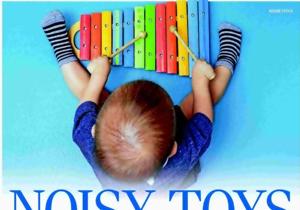
Parents across the globe are voicing their concerns about the growing prevalence of noisy toys, which experts say can pose significant risks to children’s health and development. A recent report released by the World Health Organization (WHO) highlights that excessive noise exposure from toys can lead to hearing loss, speech delays, and other developmental issues in young children. The report, published on March 1, 2024, has sparked a wave of discussions among parents and health professionals in countries such as the United States, the United Kingdom, Australia, and Canada.
In response to these alarming findings, many parents are urging manufacturers to adopt stricter noise regulations for children’s products. According to Dr. Sarah Johnson, a pediatric audiologist, “The impact of noise on a child’s development is profound. Toys that exceed safe noise levels can disrupt communication skills and social interaction.” The WHO recommends that toys should not exceed 85 decibels, a threshold that many popular toys currently surpass.
Manufacturers Under Pressure
The pressure is mounting on companies to reevaluate their products. The Consumer Product Safety Commission (CPSC) is reportedly considering new guidelines for noisy toys, aimed at protecting children’s health. Parents are encouraged to check for noise level ratings before making purchases. Many are taking to social media to share their experiences, with hashtags like #QuietToys gaining traction.
One mother, Emily Thompson from London, recounted her frustration after purchasing a talking toy for her toddler, only to discover it emitted sounds as loud as a vacuum cleaner. “I was shocked when I realized how loud it was. It made me worried about my child’s hearing,” she said. Emily’s story is not unique; numerous parents have reported similar experiences, prompting calls for more stringent regulations.
The Global Response
As awareness spreads, various consumer advocacy groups are stepping in to highlight the issue. In the European Union, an initiative is underway to establish a standardized noise level for children’s toys. Advocates argue that implementing such measures could significantly reduce the risk of auditory damage in children.
The situation has also gained attention from health officials in Australia, where local parents are pushing for a national campaign to educate families about safe toy choices. “We need to empower parents with knowledge,” stated a spokesperson for the Australian Health Department. “Understanding the risks associated with noisy toys is crucial for safeguarding our children’s health.”
As the conversation continues, parents are encouraged to voice their concerns to retailers and manufacturers. The growing demand for quieter, safer toys is likely to influence market trends, as companies strive to meet consumer expectations. With experts advocating for change and parents raising their voices, the movement for noise regulation in children’s toys is gaining momentum.
The combination of public awareness, expert recommendations, and potential regulatory changes could lead to a healthier environment for future generations. As parents take action, the hope is that quieter, safer toys will soon become the norm in households around the world.