Outdoor education is gaining momentum in New Mexico as schools respond to rising mental health concerns and the impact of technology on students. Collins Lake Outdoor School, recently established in Mora County, plans to enroll 35 students for its inaugural year. Founded by former Enron employee Chris Smaby, the school aims to provide a nature-focused learning environment despite facing challenges with staffing and curriculum development.
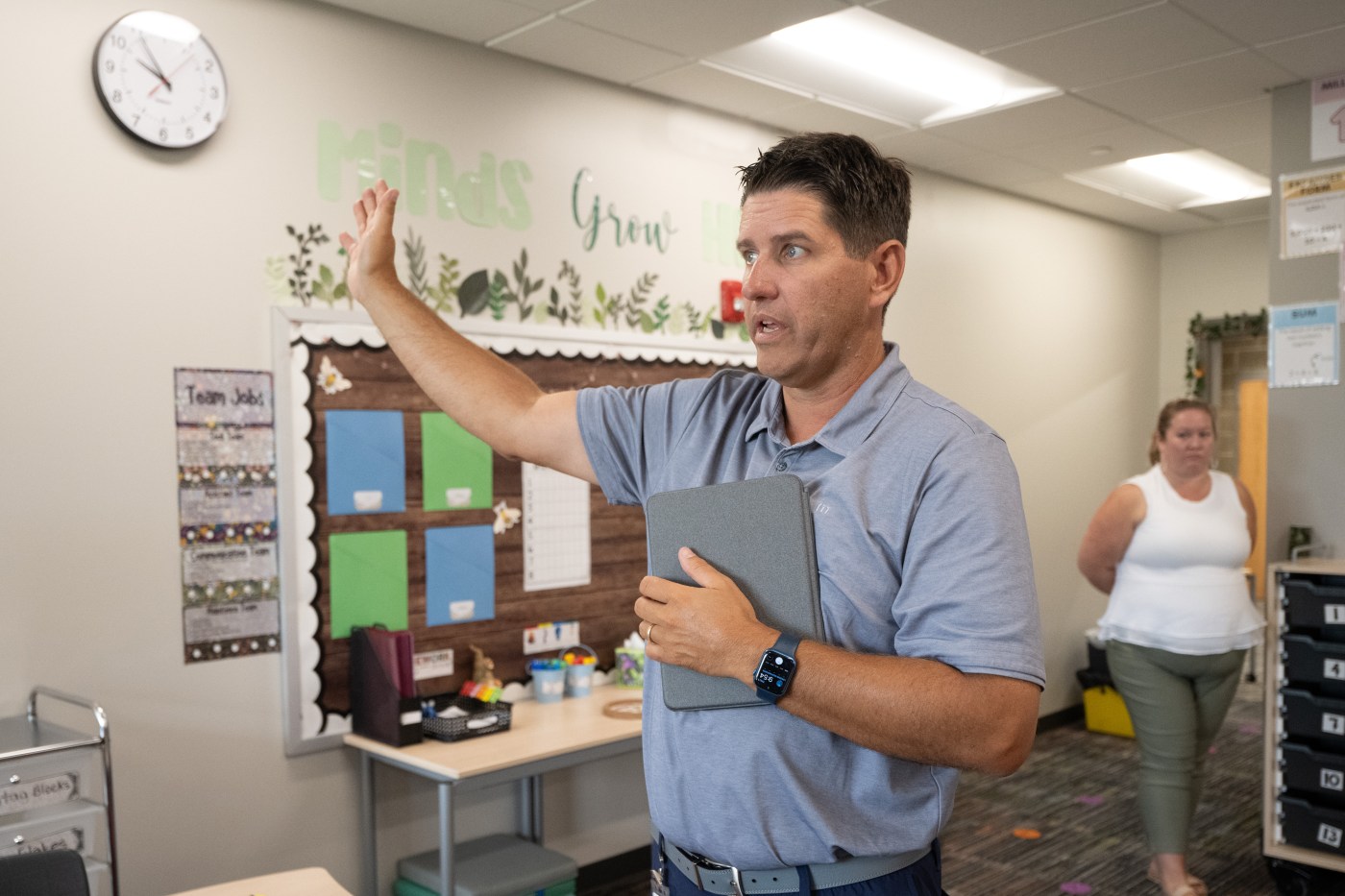
Smaby, who purchased the ranch in 1997, believes that outdoor experiences can significantly enhance education. “There’s so much in nature that they can learn,” he remarked during a recent visit to the school’s forested campus, surrounded by the remnants of wildfire-scorched peaks. His initiative reflects a broader trend in New Mexico, where officials, educators, and parents increasingly advocate for outdoor learning as a remedy for declining student performance linked to excessive screen time and mental health issues.
State Support and Funding Initiatives
The push for outdoor learning in New Mexico can be traced back to legislative efforts in 2019 when lawmakers established the Outdoor Recreation Division. Former state Senator Siah Correa Hemphill championed the cause, leading to a 2021 resolution that called for an “Outdoor Education Day” and the introduction of Senate Bill 32, which secured funding for outdoor learning programs. This year, the Outdoor Recreation Division allocated nearly $2.2 million in Outdoor Equity Grants to 61 initiatives aimed at enhancing outdoor education for over 22,000 youth, particularly from low-income and tribal communities.
Since 2020, the division has invested more than $40 million into its Trails+ and Outdoor Equity programs, surpassing the funding provided by the Public Education Department’s outdoor learning grant. Local educational institutions are already reaping the benefits. For instance, Monte del Sol Charter School received $40,000 for outdoor educational trips to locations like Chaco Canyon, while the nonprofit Partners in Education secured $35,000 for field trips for Santa Fe Public Schools.
Community Engagement and Cultural Heritage
Long before state support materialized, New Mexicans have embraced outdoor education. During a ceremony at the Santa Fe Indian School, Waylon Brown, the Taos Pueblo War Chief Secretary, emphasized the importance of connecting education with nature. He stated that elements like the wind and sun are integral to traditional learning and lamented the disconnection many students feel from the outdoors.
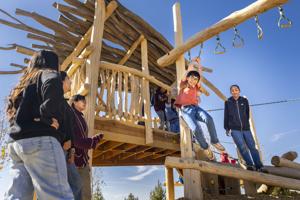
The school recently unveiled a new gazebo, designed with input from students, as part of a larger initiative to enhance outdoor spaces. Brown believes that returning to outdoor learning will preserve cultural traditions and strengthen students’ ties to their heritage. Superintendent Christie Abeyta noted that outdoor education increases student engagement, stating, “Without spaces like this, we’re confined to four walls.”
Student Abel Herrera, 17, echoed these sentiments, describing the outdoor project as a “gift” that restores meaningful connections to learning. He expressed hope that similar programs could expand to other Pueblo communities, emphasizing the importance of prioritizing children’s well-being.
The Santa Fe Indian School project aligns with broader efforts by the Trust for Public Land, which is collaborating with the Bureau of Indian Education to develop nine schoolyard projects at tribal schools, supported by nearly $3.5 million in federal funding from the Inflation Reduction Act.
Challenges and Future Directions
Despite the growing support for outdoor learning, challenges remain. U.S. Senator Martin Heinrich has introduced the “Living Schoolyards Act” in both 2022 and 2023 to fund similar initiatives nationwide. His 2023 bill highlights the alarming trend of declining outdoor time among youth, with children aged 8 to 18 spending an average of 7.5 hours daily in front of screens. Although the bill has not yet passed, interest continues to build around outdoor education.
Amanda Keith, board chair of Environmental Education of New Mexico, noted that while federal grant opportunities have become more limited, local organizations continue to advocate for change. She highlighted the need for educational programs that address the ecological challenges faced by communities impacted by recent wildfires and floods.
In response to the increasing reliance on technology, Santa Fe school leaders are reevaluating their approach. The school board has adopted a “digital wellness” resolution, aiming to engage parents in discussions about the role of technology in education. Board Vice President Kate Noble emphasized the importance of outdoor education as a complementary initiative, expressing a desire for more robust outdoor programming in schools.
As New Mexico schools navigate these challenges, the emphasis on outdoor learning reflects a commitment to fostering healthier, more engaged students. With continued support from both state initiatives and community efforts, the future of outdoor education in the state appears promising.