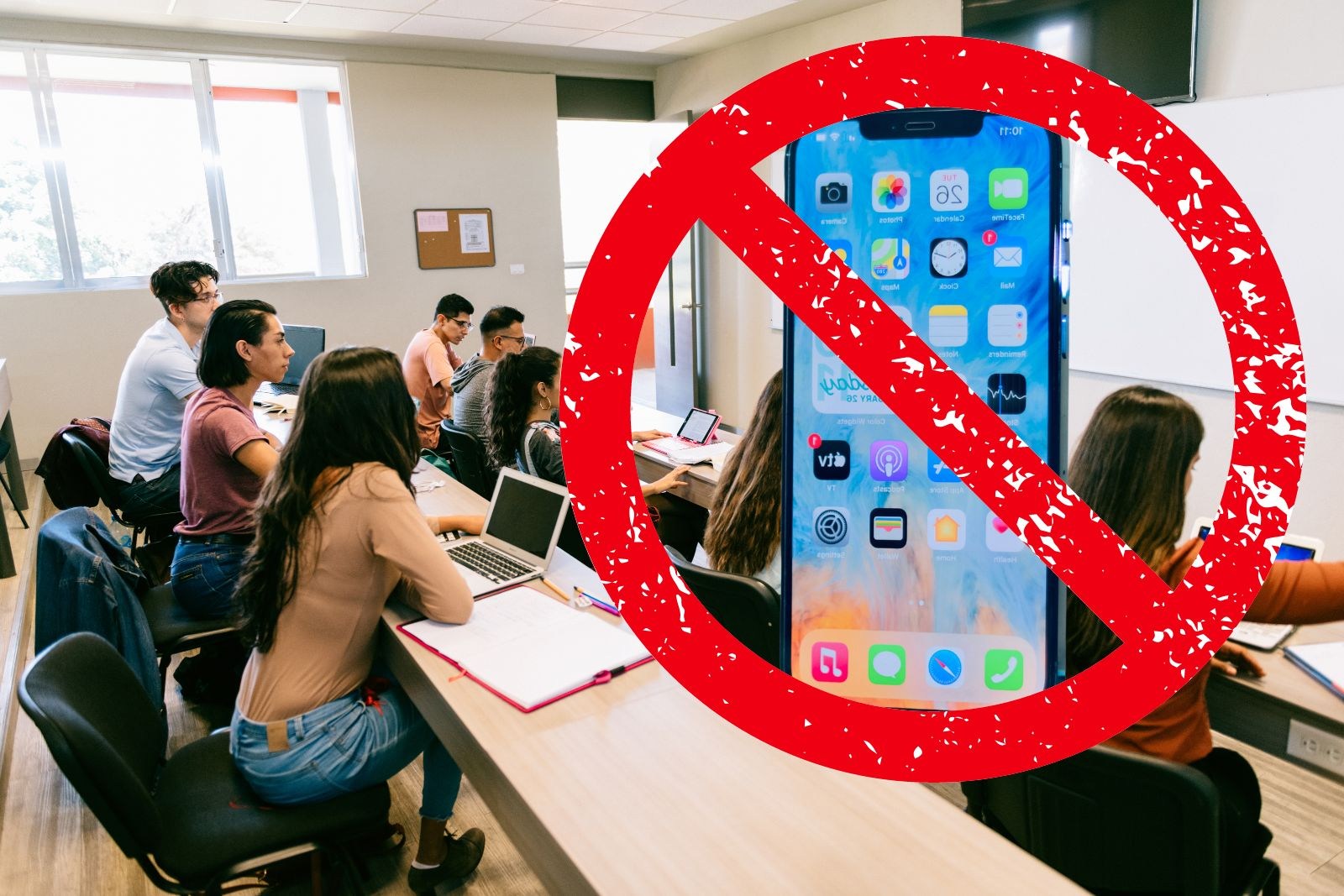
New Jersey has officially enacted a statewide ban on smartphone use in public schools, a move aimed at enhancing student engagement and mental health. Signed by Gov. Phil Murphy on Thursday, the law mandates a “bell-to-bell” restriction that prohibits students from using internet-enabled devices during school hours, effective starting in the 2026-2027 academic year.
The legislation applies to all public school districts, covering grades kindergarten through 12. This uniform policy is designed to foster a more focused learning environment by limiting distractions associated with smartphone use. The announcement was made at Ramsey High School, a venue chosen to highlight local initiatives already in place that align with the new law.
During the press conference, a local teenager shared his experiences with Yondr pouches, which are used to secure phones during school hours. This approach has been in practice at Ramsey High School, where students have reported positive changes in their interactions with peers and teachers. The school, which has approximately 800 students, has seen notable improvements in classroom engagement since implementing its own cell phone restrictions.
Gov. Murphy emphasized the benefits of the ban, stating, “I wish this ban had been in place a long time ago.” His comments reflect parental concerns about the pervasive influence of smartphones on youth. Supporters of the law argue that reducing screen time can significantly improve students’ mental health and peer interactions, creating a more conducive atmosphere for learning.
The policy includes limited exceptions for academic use, allowing students to access their devices for educational purposes when necessary. Schools will be tasked with developing clear guidelines to ensure compliance with the new regulations.
As New Jersey moves forward with this legislation, other states may observe its implementation and outcomes. The focus on mental well-being and academic performance may set a precedent for similar initiatives across the country.
This decision aligns with a growing trend toward minimizing distractions in educational settings, as schools increasingly recognize the need to adapt to the challenges posed by technology in the classroom. The success of the ban will likely be assessed through its impact on student behavior and academic performance in the years to come.