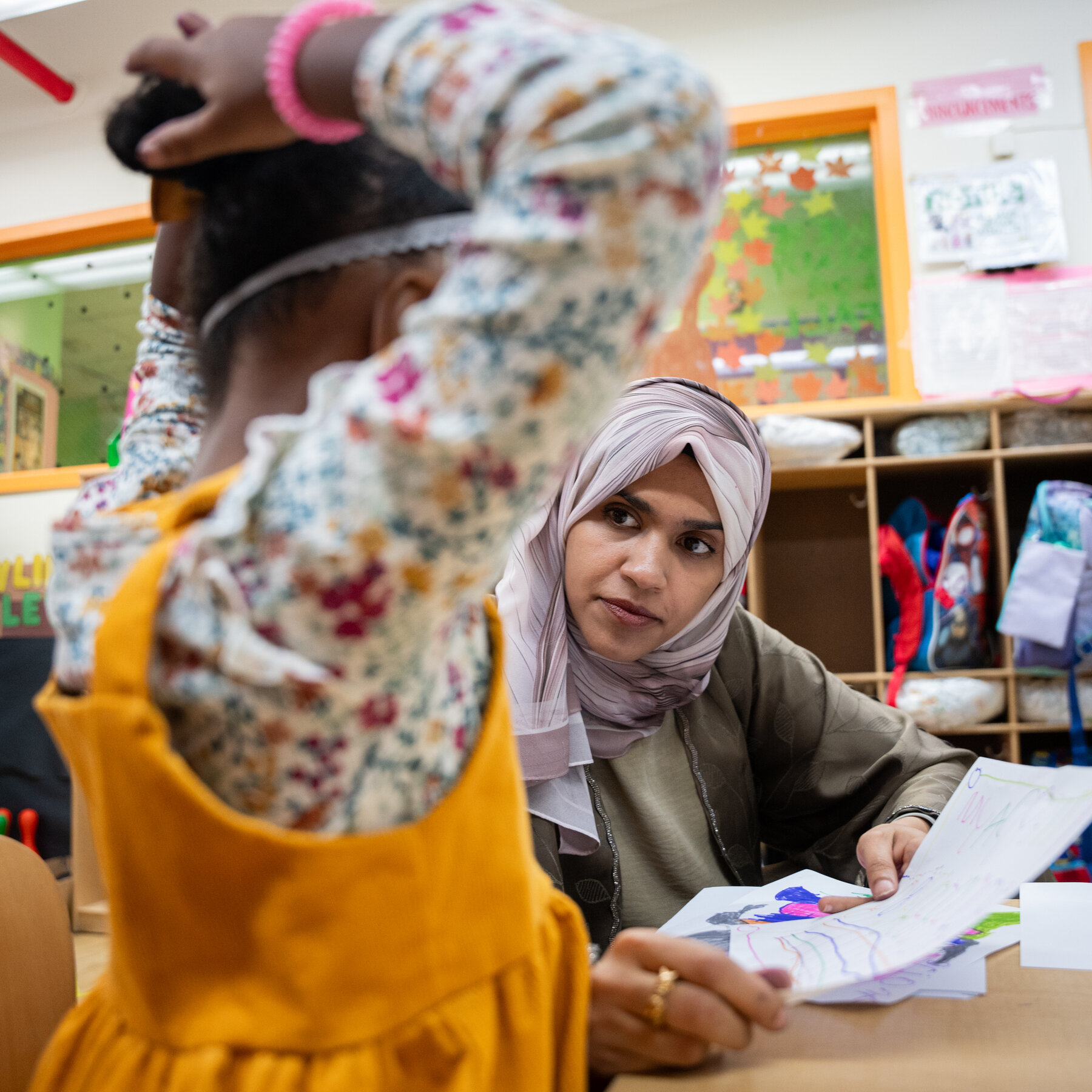
New York City is poised to make significant strides toward universal child care, as outlined by **Jamaal Mamdani**, the city’s new Commissioner of the Department of Child Care and Early Education. This initiative aims to alleviate the burdensome costs of day care for families across the city, addressing a pressing concern for many parents. According to estimates, families currently spend an average of **$1,750** per month on child care, a figure that has escalated dramatically in recent years.
Mamdani recently announced plans to expand access to affordable child care, which he described as a “fundamental right” for every child. The projected timeline for implementing such a comprehensive system is expected to span several years, with the goal set for full rollout by **2025**. This ambitious plan is backed by an estimated **$1.2 billion** investment from both city and state funds, aimed at improving facilities, increasing the number of available slots, and enhancing the quality of care.
New York City has long struggled with a child care crisis, where demand far outstrips supply. According to the **Child Care Council of New York**, only about **15%** of eligible children currently have access to subsidized child care services. This has created a challenging environment for working families who often find themselves juggling their professional responsibilities with the high costs of child care.
Mamdani’s vision includes a tiered system that would provide varying levels of financial assistance based on family income. This approach aims to ensure that low- and middle-income families receive the most support, easing their financial burden. In addition to affordability, the plan emphasizes the importance of high-quality care, which studies have linked to better long-term outcomes for children.
The initiative has garnered support from various stakeholders, including advocacy groups and local politicians. Members of the **Mayor’s Office** have expressed optimism about the plan’s potential impact, highlighting how universal child care could significantly enhance workforce participation among parents, particularly mothers.
While the timeline for full implementation remains ambitious, Mamdani is committed to making progress in the interim. He emphasized that the city would focus on immediate measures to expand existing child care programs and increase funding for community-based organizations that provide essential services.
As discussions move forward, the city will engage with parents, educators, and child care providers to ensure that their voices are heard in shaping this critical initiative. The aim is to create a system that not only meets the current needs of families but also adapts to future demands as the population grows.
In conclusion, while the journey toward universal child care in New York City is set to be lengthy, the momentum generated by Mamdani’s leadership and the substantial financial commitment from the city and state offers hope to families seeking relief from exorbitant day care costs. As the city navigates this complex landscape, the focus will remain on creating a more equitable child care system that benefits all New Yorkers.