Graduate students at the University of Idaho are expressing concerns over the rising costs of on-campus housing, which they believe are incompatible with their financial stipends. In a letter published in the university’s student newspaper, The Argonaut, graduate students KT Turner, Richie Thaxton, and Zachary Foley highlighted the growing financial stress these housing rates are imposing on their studies.
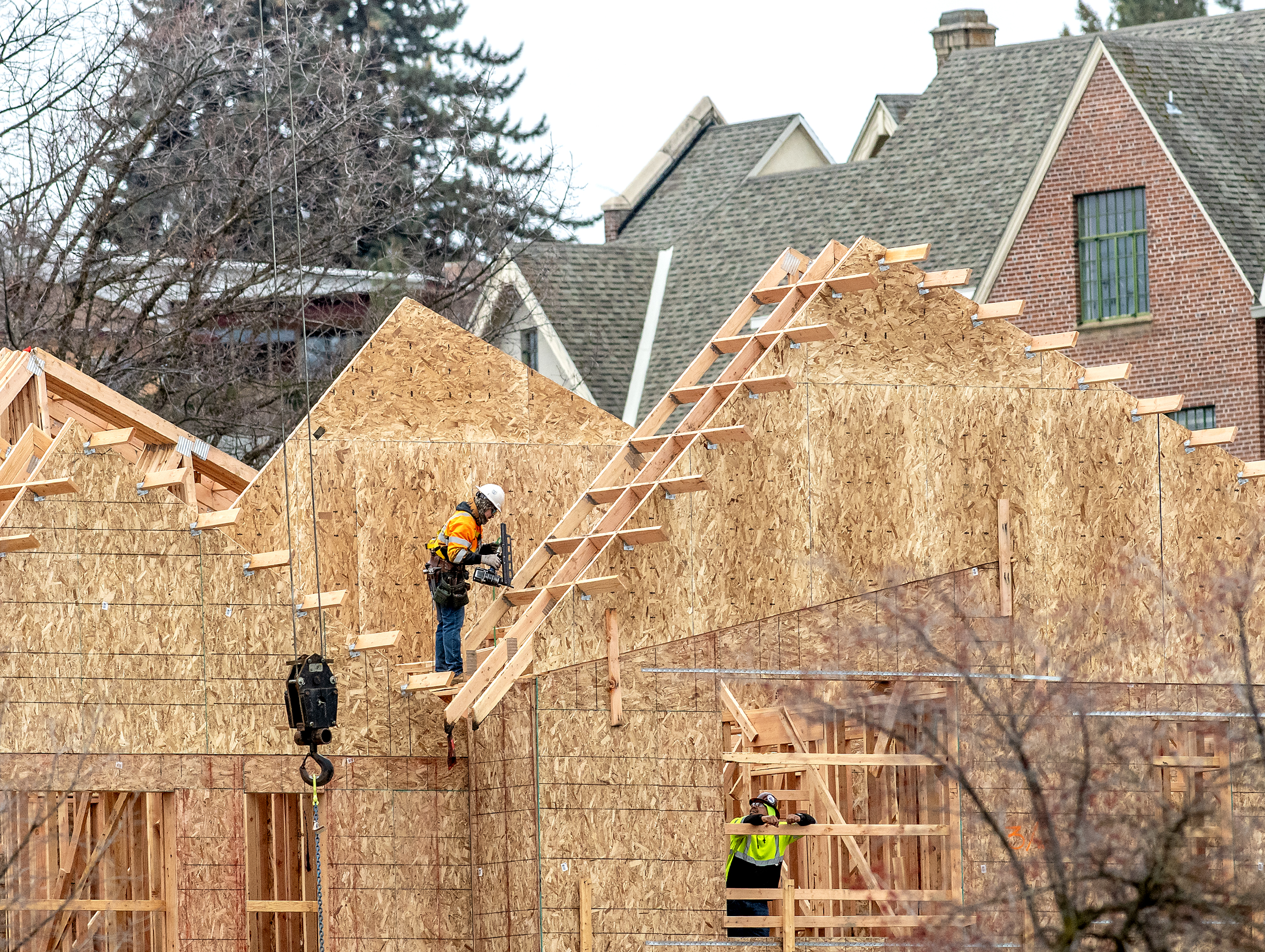
The university is currently completing a $162 million construction project aimed at updating campus facilities, including new housing options. While the initiative is intended to enhance the university’s appeal and support its goals as a newly designated R1 institution, graduate students argue that the new apartments, priced between $1,154 and $1,432 per month, are unaffordable given the financial support they receive.
Teaching assistants at the university, who play a crucial role in teaching, grading, and research, receive a stipend of $16,295 for a nine-month contract. This translates to approximately $1,880 per month, leaving students with a significant portion of their income required for housing. According to the students, renting one of the new on-campus units could consume as much as 74% of their monthly stipend.
In an interview, Foley stated, “The idea that this is housing built for graduate students when it’s so out of line with what our stipends are, something is outta whack here.” He emphasized the need for either a reevaluation of housing costs or an increase in stipends to ensure that graduate students can afford to live and study effectively.
The University of Idaho became the first institution in Idaho to achieve R1 status in February 2023, a classification that prioritizes scientific research, substantial grant acquisition, and the graduation of doctoral students. Erik Elordi, assistant vice president of campus services, noted that extensive surveys were conducted, gathering feedback from nearly 2,500 students regarding housing amenities and pricing.
Elordi clarified that the higher rates apply solely to the new housing developments, asserting that other, more affordable options remain available for graduate students. “It feels like the university wants it both ways,” Thaxton remarked in an interview, pointing out the paradox of aspiring to graduate numerous Ph.D. students while imposing financial burdens that could hinder their success.
Foley articulated that maintaining the R1 research status is directly tied to the university’s ability to graduate Ph.D. students. The financial pressures associated with current housing costs could undermine this goal, adding an extra layer of stress to their academic pursuits.
The graduate students are actively seeking dialogue with university administration to address their concerns and advocate for necessary changes. As they navigate these challenges, the impact of housing affordability on academic success continues to be a pressing issue at the University of Idaho.