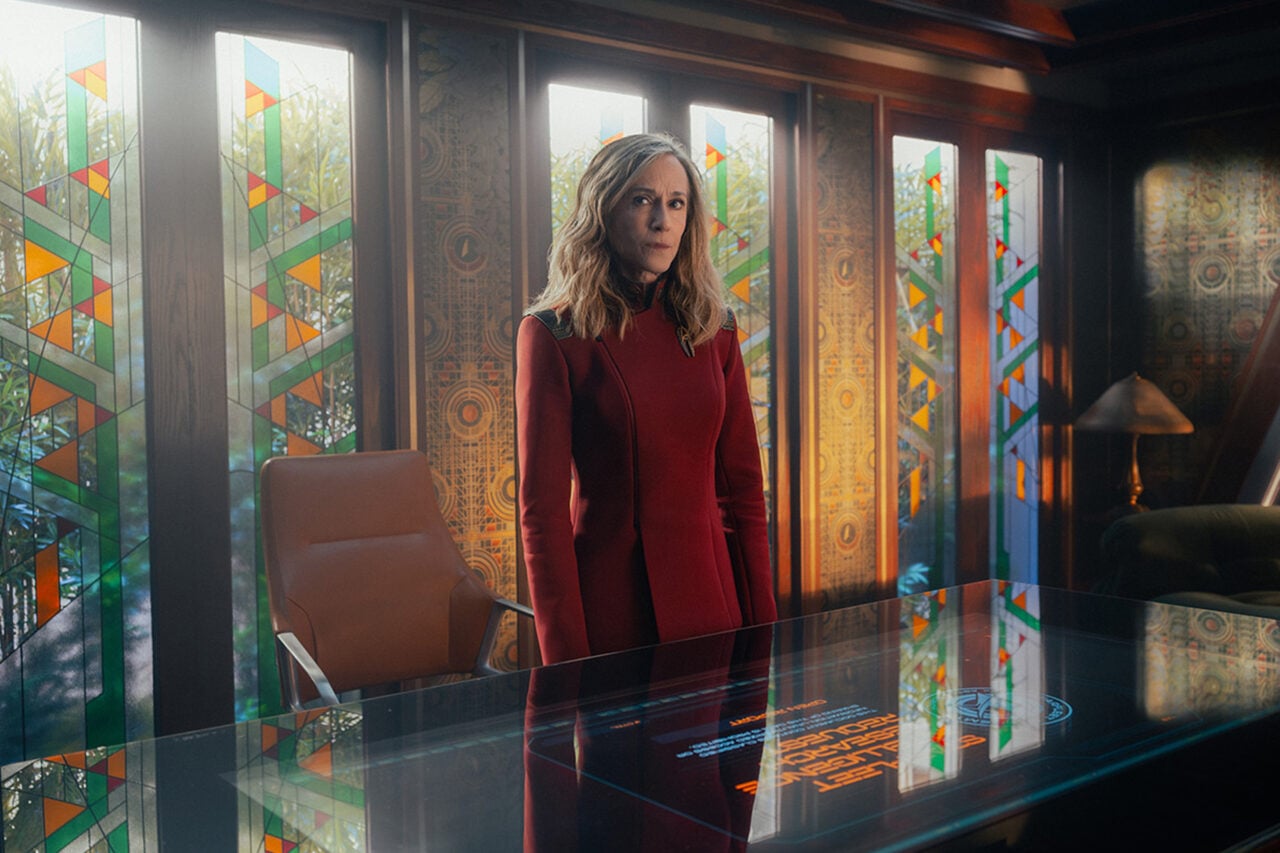
A new chapter in the beloved Star Trek franchise is set to unfold with the premiere of *Starfleet Academy*, a series that transports audiences to the late 32nd century. This eagerly anticipated show, which has been in development for several years, places the iconic academy at the forefront of its narrative. By exploring a timeline as far into the future as the year 3190, the series aims to redefine the universe of Star Trek while introducing fresh dynamics and challenges faced by its characters.
Setting the Stage: The 32nd Century
*Starfleet Academy* is positioned chronologically after the events of *Star Trek: Discovery*’s third season, when significant transformations occurred within the United Federation of Planets. The series takes place around the year 3190, a time marked by the aftermath of “The Burn,” a catastrophic event that destabilized dilithium—the key element for warp drive technology—across the galaxy. This disaster resulted in the destruction of countless starships and the loss of billions of lives, effectively dismantling the Federation’s ability to maintain interstellar connections.
As a result of The Burn, the Federation’s membership dwindled from approximately 350 worlds to fewer than 40, with many key planets, including Earth, seceding from the alliance. Consequently, the Federation relocated its headquarters to the mobile space station, the USS Federation, highlighting the urgency of rebuilding its influence and re-establishing connections among former member worlds.
Technological Advancements in Starfleet Academy
Set nearly a millennium after the classic Star Trek series, *Starfleet Academy* showcases a range of technological advancements that reflect the evolution of Starfleet operations. Among these innovations is the refinement of transporter technology. By the 32nd century, portable transporters are commonplace, allowing for instantaneous transfers and precise movements, which have significantly influenced starship design.
Additionally, *Starfleet Academy* introduces programmable matter, a breakthrough that allows materials to be reshaped at will. This technology is widely utilized in starship construction, making it possible for nacelles to float around a ship’s primary hull, enhancing both performance and maneuverability. The show also features the “tricom,” a versatile device that consolidates the functions of a communicator, personal transporter, and a holographic interface, showcasing how technology has become even more integrated into Starfleet operations.
As the series unfolds, viewers can expect a diverse array of characters from various species, reflecting the rich tapestry of life in the Star Trek universe. Cadets include individuals from species such as Orions, Ferengi, and Klingons, further enriching the narrative and emphasizing the importance of unity among different cultures.
One significant character is Caleb Mir, portrayed by Sandro Rosta, who represents humanity among a varied cast, including the Khionian Darem Raymi, played by George Hawkin. The inclusion of hybrid characters, such as Nahla Ake, the half-Lanthanite chancellor of the Academy, adds depth and complexity to the storyline, suggesting that the future of Starfleet will be shaped by diverse backgrounds.
In conclusion, *Starfleet Academy* promises to be an exciting addition to the Star Trek franchise, offering fans a glimpse into a future that is both familiar and novel. As the series explores the challenges of rebuilding the Federation and fostering connections across the galaxy, it embodies the core ideals of Star Trek: exploration, diversity, and resilience. The journey begins anew, inviting viewers to join in the mission of shaping the future of interstellar diplomacy and cooperation.