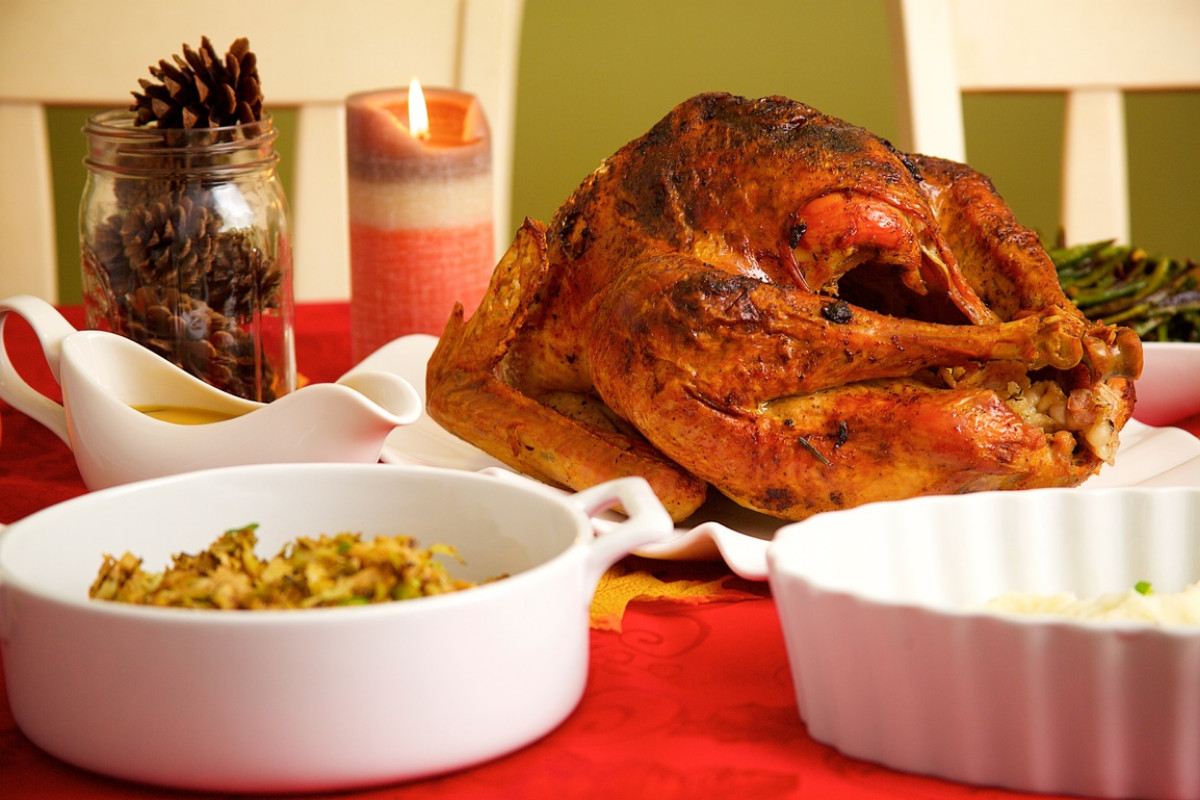
Thanksgiving in the United States is often synonymous with turkey, potatoes, and cranberry sauce. However, a recent exploration of historical records reveals that the traditions of Maine residents diverged from these national norms. Jefferson Navicky, an archivist for the University of New England, has delved into the diaries of Maine women from the 1870s to the 1940s to uncover what these individuals ate and how they celebrated the holiday over a century ago.
Navicky’s research highlights a rich tapestry of Thanksgiving experiences throughout Maine’s history. During a talk at the Wilson Museum in Castine in November 2022, he examined various entries from the diaries, noting that the holiday was observed in numerous ways. For instance, in 1871, one woman recounts a joyful gathering, while another in 1904 expresses sadness throughout the day. These personal reflections provide a nuanced understanding of Thanksgiving celebrations in the state.
One of the most compelling aspects of Navicky’s findings is the variety of menus documented in the diaries. A particularly detailed entry from Eva A. Twist, a resident of Waterville, outlines her 1943 Thanksgiving spread. Her menu included baked chicken with dressing and gravy, mashed squash, hot biscuits, cranberry sauce, mustard pickles, sugar cookies, mince pie, chocolate cake with orange icing, and coffee. This diverse selection illustrates that turkey was not always the centerpiece in Maine households, as chicken was frequently served when turkey was scarce.
Lisa Simpson Lutts, director of the Castine Historical Society, emphasizes that chicken was often a staple during Thanksgiving, reflecting local availability. This is echoed in the memories of Mary Ellingwood Andrews, who reminisced about her Thanksgiving meals in the 1940s, where a chicken from her own hen house was prepared alongside homemade mincemeat and pumpkin pies baked in a wood stove.
Pie emerged as a significant element of Thanksgiving traditions in Maine, with various diary entries highlighting its importance. In the 1919 diary of Sarah Stanley from Farmington, a turkey mince pie featured prominently alongside plum pudding, hot rolls, and celery. Her humorous note about a guest named Charles breaking his plate adds a personal touch to the historical record, illustrating how everyday incidents intertwined with holiday celebrations.
Navicky’s research sheds light on the broader context of Thanksgiving, revealing how food and personal anecdotes intertwine in the diaries. He notes, “Everybody loves something to eat,” emphasizing the universal nature of food as a connector across generations. By examining these historical accounts, we gain insight into the evolving traditions of Thanksgiving in Maine, showcasing a holiday celebrated in diverse ways, reflective of the region’s unique character.
As we look back on these cherished customs, Navicky’s work reminds us of the rich culinary history that continues to shape Thanksgiving experiences in Maine today. The diaries serve not only as a record of meals but also as a window into the lives of the women who documented their thoughts and feelings, making their histories come alive in a way that resonates even a century later.