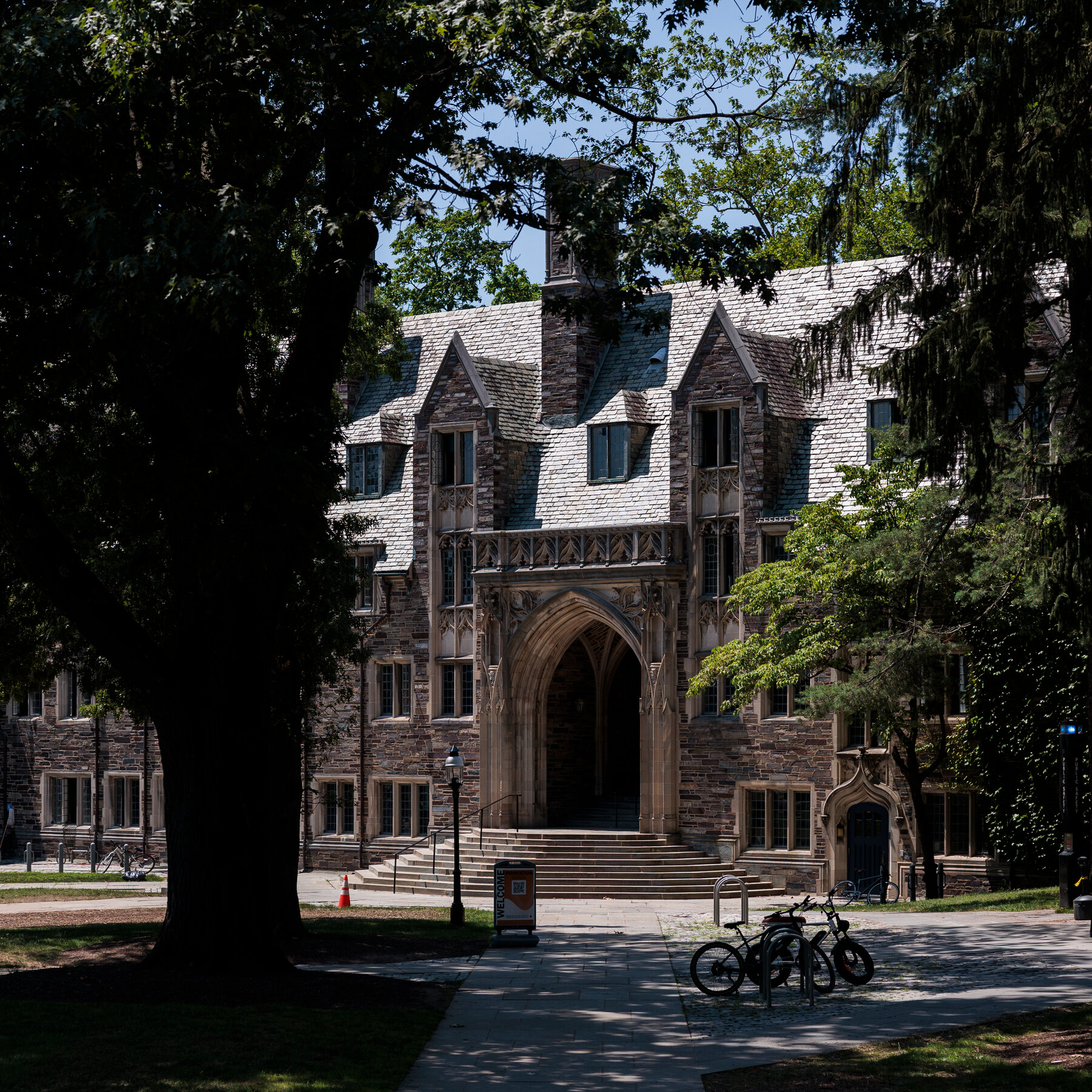
Defense Secretary Pete Hegseth announced a ban on military personnel attending select elite universities, including Yale University, Princeton University, and Brown University. This decision stems from his allegations that these institutions are promoting liberal ideologies, which he believes undermine military values and readiness.
Hegseth’s directive specifically targets a range of prestigious colleges and think tanks, signaling a significant shift in the Department of Defense’s approach to military education. He expressed concerns that exposure to what he termed “indoctrination” at these institutions could negatively impact service members’ perspectives and effectiveness.
Concerns Over Ideological Influence
During a press briefing, Hegseth emphasized the need for a military education environment that aligns with traditional values. He articulated that the military should be free from external ideological influences that could potentially compromise its mission. “We cannot allow our service members to be influenced by ideologies that contradict our core principles,” he stated.
The ban reflects broader tensions between the U.S. military and some academic institutions, which have increasingly been viewed as centers of liberal thought. Hegseth’s remarks come amid ongoing debates about the role of education in shaping the beliefs and attitudes of military personnel.
Reactions and Implications
The reaction to Hegseth’s announcement has been mixed. Supporters argue that the ban is necessary to maintain the integrity of military training, while critics contend that it could limit opportunities for service members to engage with diverse perspectives and innovative ideas. Some alumni from the affected universities have voiced their concerns, emphasizing the importance of academic discourse in fostering critical thinking.
The decision to implement such a ban raises questions about the future relationship between the military and higher education institutions. As the Department of Defense moves forward, it will be crucial to monitor the long-term implications of this policy on military readiness and the professional development of service members.
Hegseth’s directive marks a notable moment in the ongoing dialogue about education and ideology within the U.S. military framework. As this situation evolves, its impact on military culture and educational opportunities for service members will likely remain a point of contention.