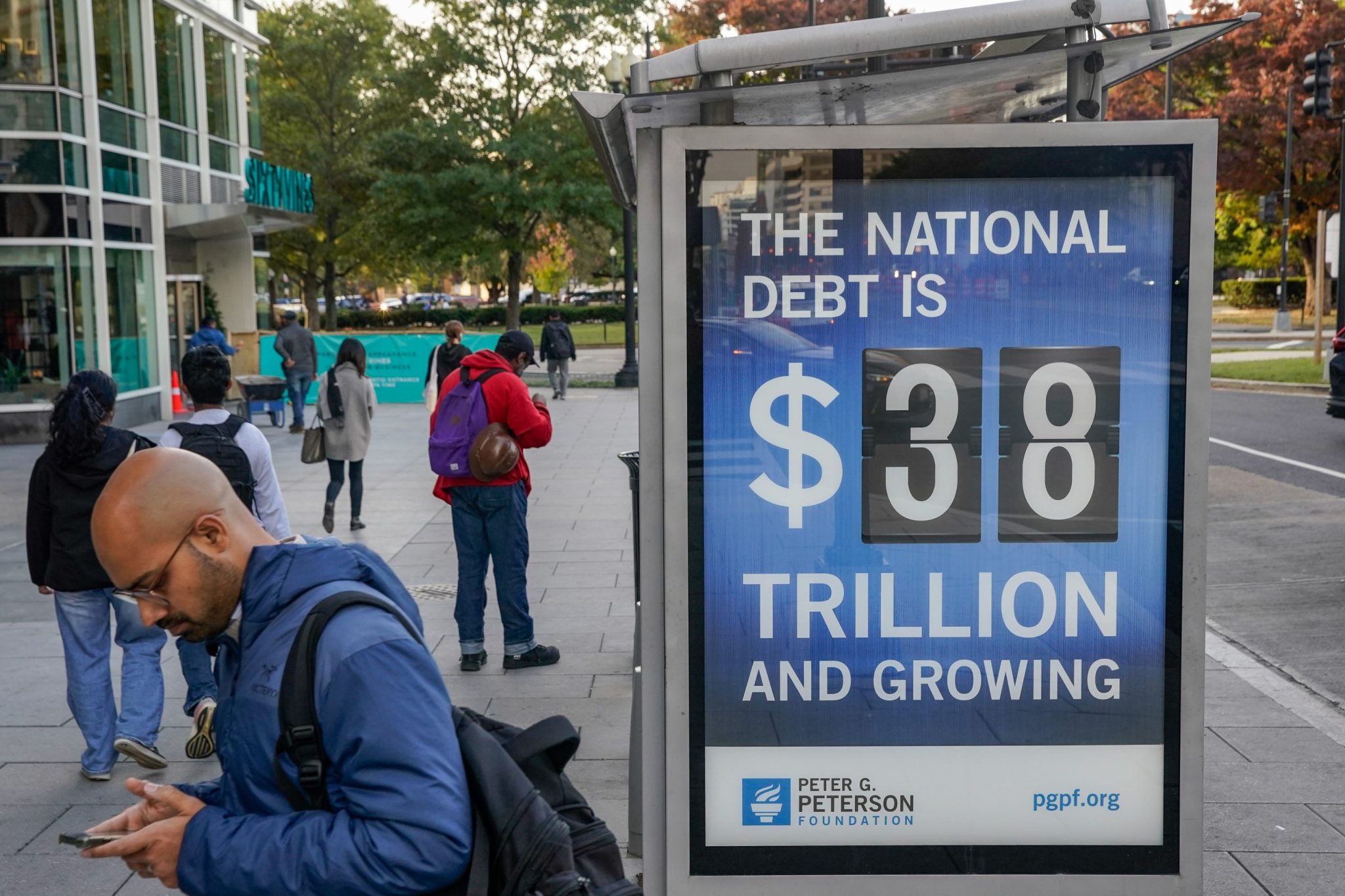
The U.S. debt has surged to an alarming **$38 trillion**, prompting significant changes in the nation’s bond market dynamics. According to **Geng Ngarmboonanant**, a managing director at **JPMorgan** and former deputy chief of staff to Treasury Secretary **Janet Yellen**, the shift towards profit-driven private investors poses risks that could destabilize the U.S. financial system during periods of market stress.
The landscape of U.S. debt holders has transformed drastically over the last decade. In the early 2010s, foreign governments held more than **40%** of Treasury securities, compared to just over **10%** in the mid-1990s. In his recent op-ed published in the **New York Times**, Ngarmboonanant noted that this reliable bloc of investors allowed the U.S. to borrow extensively at artificially low rates. He stated, “Those easy times are over,” with foreign governments now making up less than **15%** of the overall Treasury market.
While foreign governments have not significantly decreased their holdings, they have not increased their purchases in line with the recent surge in U.S. debt. This has created a vacuum that private investors have stepped in to fill, but they come with different expectations. Ngarmboonanant emphasized that these investors are more likely to demand higher returns, leading to increased volatility in interest rates.
Hedge Funds’ Growing Influence
The influence of hedge funds in the Treasury market has particularly alarmed U.S. officials. Over the past four years, hedge funds have doubled their presence, with the **Cayman Islands** now being the largest foreign holder of U.S. debt. Ngarmboonanant highlighted that recent “unusual turbulence” in the Treasury market, a traditionally stable refuge during financial crises, has been attributed to hedge fund activities. This includes a notable selloff following former President **Donald Trump**’s controversial tariffs announced on “Liberation Day.”
Looking ahead, Ngarmboonanant cautioned against relying on “AI-fueled productivity gains, stablecoins, Fed rate cuts or inflation” to sustain U.S. debt levels, warning that such strategies could ultimately backfire. “Financial engineering and false hopes won’t keep America’s lenders happy,” he said. He called for a credible plan to restrain deficits and control debt, asserting that this is essential for maintaining investor confidence.
The term “bond vigilantes,” coined by Wall Street veteran **Ed Yardeni** in the 1980s, describes the ability of bond investors to influence lawmakers. This concept gained renewed attention when upheaval in the bond market after Trump’s tariff announcement influenced his administration’s approach to interest rates. Economist **Nouriel Roubini** commented on the situation, stating, “The most powerful people in the world are the bond vigilantes.”
Despite the potential power of bond vigilantes, analysts at **Piper Sandler** recently questioned their actual influence over political decisions. An August note from the firm pointed out that the bond market has failed to prevent the escalation of federal deficits and has not deterred Trump from pursuing his tariff agenda.
Calls for Fiscal Responsibility
The U.S. debt outlook has reached a critical point, prompting even established Republicans like **Mitt Romney**, a former senator and presidential candidate, to advocate for increased taxes on the wealthy. In a recent op-ed in the **New York Times**, he warned of the impending insolvency of the **Social Security Trust Fund** by **2034**, stating, “Today, all of us, including our grandmas, truly are headed for a cliff.”
Romney emphasized that traditional political approaches—where Democrats prioritize higher taxes and Republicans focus on spending cuts—are no longer sufficient given the urgency of the national debt crisis. Both measures, he argued, are now necessary to address the growing financial challenges facing the country.
The evolving landscape of U.S. debt and the shifting dynamics in the bond market signal a pivotal moment for the nation’s fiscal future. Without significant changes to current policies, the potential for increased volatility in the financial system remains a pressing concern.