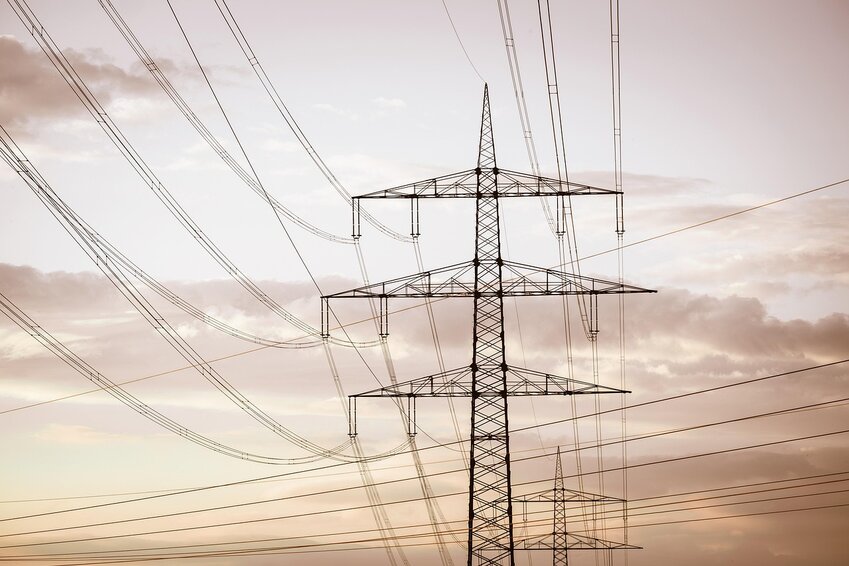
Oregon faces a potential power crisis as energy demand surges, driven largely by an influx of data centers and changing climate patterns. A recent study predicts that within five years, the state may require an additional nine gigawatts of electricity, a figure roughly equal to its current total consumption. This significant shortfall raises alarms among utility companies and regulators about the stability of the region’s power supply.
The years following the Great Recession saw a stable period for Oregon’s power market, where population growth and energy efficiency kept demand in check. New technologies, such as LED lightbulbs and improved heating systems, contributed to this equilibrium. However, since the end of the pandemic, the landscape has shifted dramatically. Despite a stagnation in population growth and job opportunities, energy consumption has unexpectedly surged, primarily due to the rapid expansion of data centers attracted by generous tax incentives.
Oregon has become a hub for major tech companies, with data centers now accounting for approximately 11% of the state’s electricity use. As these facilities proliferate, the Northwest Power and Conservation Council forecasts that their energy consumption could rise to 25% of the total by 2030. The state’s transition to renewable energy sources complicates the situation, limiting options for meeting this rising demand.
Shifting Demand Patterns and Supply Constraints
The demand for electricity in Oregon has increased by 30% since 2010, with the most significant growth occurring in recent years. While residential and commercial electricity use has remained stable, industrial demand—primarily from data centers—has skyrocketed by 73%. Reports from Portland General Electric (PGE) indicate a sixfold increase in energy demand from data centers since 2020, with projections suggesting that this could more than double by the end of the decade.
The Umatilla Electric Cooperative, serving a small area in northeastern Oregon, has become a major electricity provider, largely due to its role in supplying power to Amazon’s data centers. The cooperative’s sales have grown nearly tenfold since 2010, highlighting how crucial these facilities have become to the state’s energy landscape.
Oregon’s tax structure significantly benefits data centers, with no sales tax and local governments able to offer substantial property tax breaks. In the fiscal year 2025 alone, tax savings for data centers exceeded $330 million, with Amazon alone saving nearly $200 million. This financial advantage has spurred further investments in the state, intensifying pressure on the already strained power supply.
Future Challenges and Potential Solutions
Experts express concern about the region’s ability to handle such a dramatic rise in electricity demand. According to Arne Olson, a consultant with the economic research firm E3, the significant increase in demand comes at a time when the region’s utilities are seeking to transition to renewable energy sources. This dual challenge of rising demand and transitioning away from fossil fuels presents a complex dilemma for energy planners.
The Bonneville Power Administration, which manages a significant portion of the region’s high-voltage grid, has faced challenges in meeting the influx of new transmission requests. As climate change contributes to more extreme weather events, the demand for electricity during these peaks could lead to severe shortages. In worst-case scenarios, prolonged blackouts may occur, reminiscent of the energy crisis in the early 2000s.
While some believe that the region is on track to address these challenges, others remain skeptical. Initiatives are underway to require data centers to pay for their impact on power costs, aiming to ensure that residential and small commercial customers are not disproportionately affected by rising energy demands.
As the Northwest prepares for its energy future, it faces a critical juncture. The need for a coordinated approach among regulators, utilities, and large energy consumers like data centers has never been greater. The coming years will determine whether Oregon can effectively manage its energy supply amidst rising demand and the transition to cleaner energy.