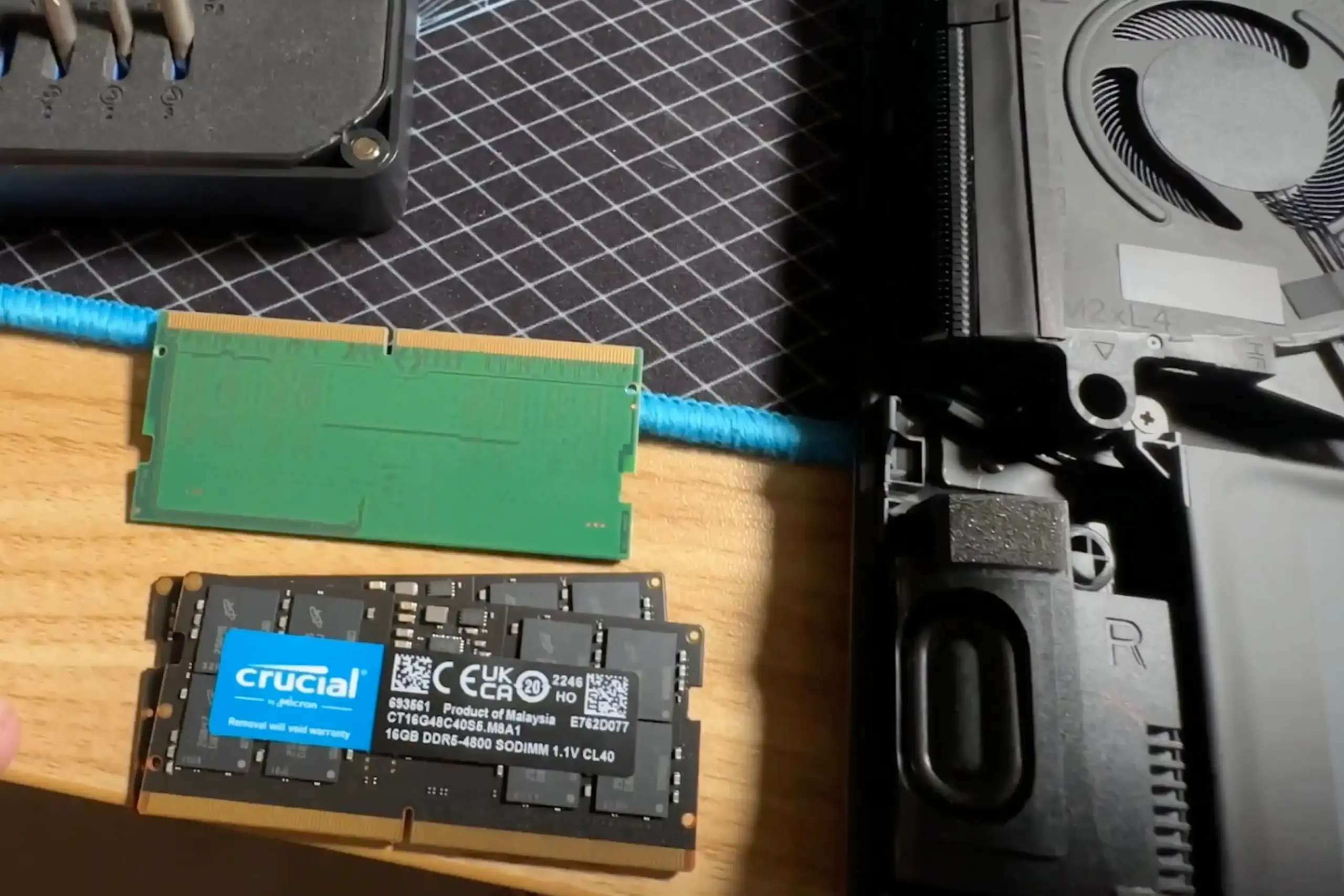
Micron Technology, a leading manufacturer of memory products, has announced the discontinuation of its Crucial brand, which has been a significant player in the direct-to-consumer RAM and storage market for nearly thirty years. This decision marks a strategic pivot for the company as it aims to capitalize on the booming demand from the artificial intelligence (AI) sector, which is straining global memory supplies and driving prices higher.
In an interview with Wccftech, Christopher Moore, Vice President of Micron’s Marketing, Mobile and Client Business Unit, attempted to reassure consumers by stating that while the Crucial brand is being shuttered, Micron will continue to supply memory products indirectly through original equipment manufacturers (OEMs). “Our viewpoint is that we are trying to help consumers around the world,” he explained. “We’re just doing it through different channels.”
The decision to cease direct sales to consumers comes at a time when memory prices are experiencing significant inflation. The surge in demand from data centers, particularly those supporting AI applications, is consuming a substantial portion of the available chip supply. According to industry analysts, the cost of DDR5 memory has increased to levels three to four times higher than previous prices, impacting consumers seeking upgrades for personal computers.
Moore emphasized that the challenges faced by Micron are reflective of broader industry trends rather than a company-specific issue. He stated, “This is not a Micron issue, it’s an industry issue… and there’s just not enough supply to go around.” Despite this rationale, competitors such as Samsung and SK Hynix have not followed Micron’s lead in discontinuing their consumer-facing memory product lines, raising questions about long-term consumer support in the market.
Future Manufacturing Plans
Looking ahead, Micron is optimistic about future production capabilities. The company plans to break ground on a new semiconductor manufacturing facility in New York, which is projected to become the largest of its kind in the United States. This facility is expected to be operational by 2027, although experts note that it may take several years to fully ramp up production to alleviate current supply constraints.
Industry estimates regarding the end of the memory pricing crisis vary widely, with some projections extending as far as 2032. Moore acknowledged that the current demand driven by AI is unlikely to diminish soon, stating that the company is focused on servicing its data center customers while maintaining some level of support for the client and mobile markets.
While Micron’s strategic shift may be financially motivated, the impact on consumers is palpable. Many PC builders and enthusiasts are expressing frustration over the lack of accessible memory options. As prices continue to rise, the affordability of gaming desktops and other high-performance systems is becoming increasingly challenging for average consumers.
The memory market’s trajectory remains uncertain, particularly in light of potential economic fluctuations affecting the AI sector. Should the anticipated bubble burst, the ramifications would extend beyond just the memory market, posing broader economic challenges.
Michael, a seasoned technology journalist, has covered various aspects of the tech industry, from hardware to software, and has reported on major events such as CES and Mobile World Congress. His insights into the evolving landscape of technology provide valuable context for understanding the implications of Micron’s recent decisions.