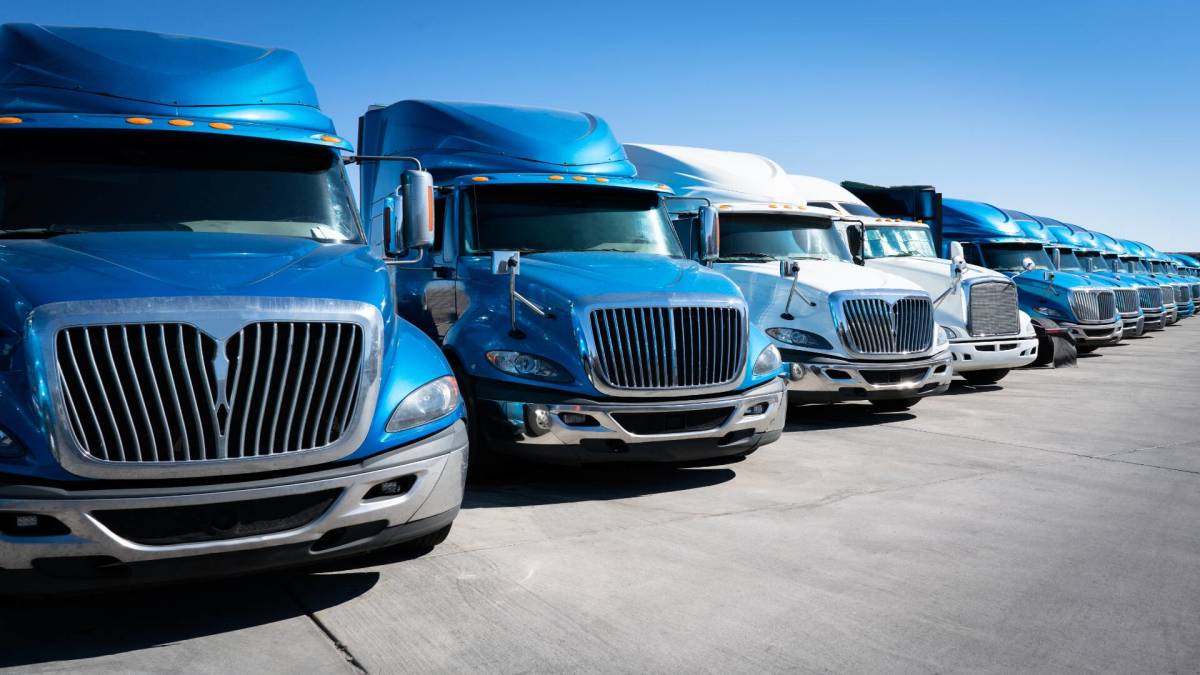
The commercial truck industry is facing significant challenges, leading several companies to seek bankruptcy protection. On February 19, 2025, Nikola Corp., known for its electric semi-trucks, filed for Chapter 11 bankruptcy due to financial difficulties exacerbated by high debt and rising operational costs. This follows a troubling trend in the sector, where companies like Bollinger Motors have also ceased operations.
Nikola Corp. and Bollinger Motors in Financial Distress
Nikola Corp., a pioneer in battery electric and hydrogen fuel cell technology, reported substantial losses prior to its bankruptcy filing. A costly recall of all its battery electric vehicles in late 2023 resulted in $44 million in losses, driving its decision to liquidate assets. The company had previously promised innovative solutions for the trucking industry but has struggled to fulfill those commitments amidst mounting financial pressures.
Similarly, Bollinger Motors halted operations just six months after emerging from receivership. Founded in 2015, the company launched its B1 SUV prototype in 2017 before pivoting to commercial electric trucks. Despite initial enthusiasm, financial struggles led to the company missing payroll twice in November 2025, ultimately closing its doors on November 21. As of the latest reports, Bollinger Motors’ website is no longer active.
Tonka International Corporation Seeks Reorganization
In a related development, Tonka International Corporation has filed for Chapter 11 bankruptcy protection for the second time in five years. The company, based in Plano, Texas, attributed its financial woes to a surplus in the used machinery market, which has negatively impacted sales. Notably, Tonka International is unrelated to the Tonka toy brand, which has been owned by Basic Fun since 2019. Basic Fun itself filed for Chapter 11 protection in June 2024.
Tonka International initially filed for bankruptcy on March 9, 2020, coinciding with the onset of the COVID-19 pandemic. According to documents filed in the U.S. Bankruptcy Court for the Northern District of Texas, the company is dealing with liabilities between $100,000 and $500,000, while listing assets of up to $50,000.
The company specializes in the wholesale distribution of commercial trucks, trailers, and heavy equipment, primarily serving sectors like mining and construction. However, a shift towards newer technology has reduced demand for older equipment, contributing to its current financial predicament. The industry is experiencing what is termed “The Great Freight Recession,” which has been marked by a prolonged downturn since mid-2022.
Challenges in the trucking sector have been compounded by the lingering effects of the supply chain crisis from the pandemic. According to Lindsay Bur, an economist with the American Trucking Association, “We’re not in recessionary territory in the traditional sense because we’re not on the downswing. But we haven’t seen the strong upswing or return to seasonality that people were expecting.” This stagnation has left many companies, including Tonka, struggling to adapt.
Tonka International aims to address legacy liabilities and litigation claims stemming from its previous bankruptcy restructuring. The company has built a reputation as a licensed and bonded wholesale dealer, facilitating transactions for pre-owned trucks and equipment without the risks associated with auctions or online marketplaces. By managing every aspect of a sale, from valuation to logistics, Tonka provides a streamlined service for businesses across North America.
The ongoing hardships in the commercial truck industry reflect broader economic challenges, with companies continually grappling with debt and operational costs. As these bankruptcies unfold, the future of the trucking sector remains uncertain, prompting other players in the industry to reassess their strategies and sustainability. While the market may not be in decline, the anticipated recovery is proving elusive, leaving many firms at a crossroads.