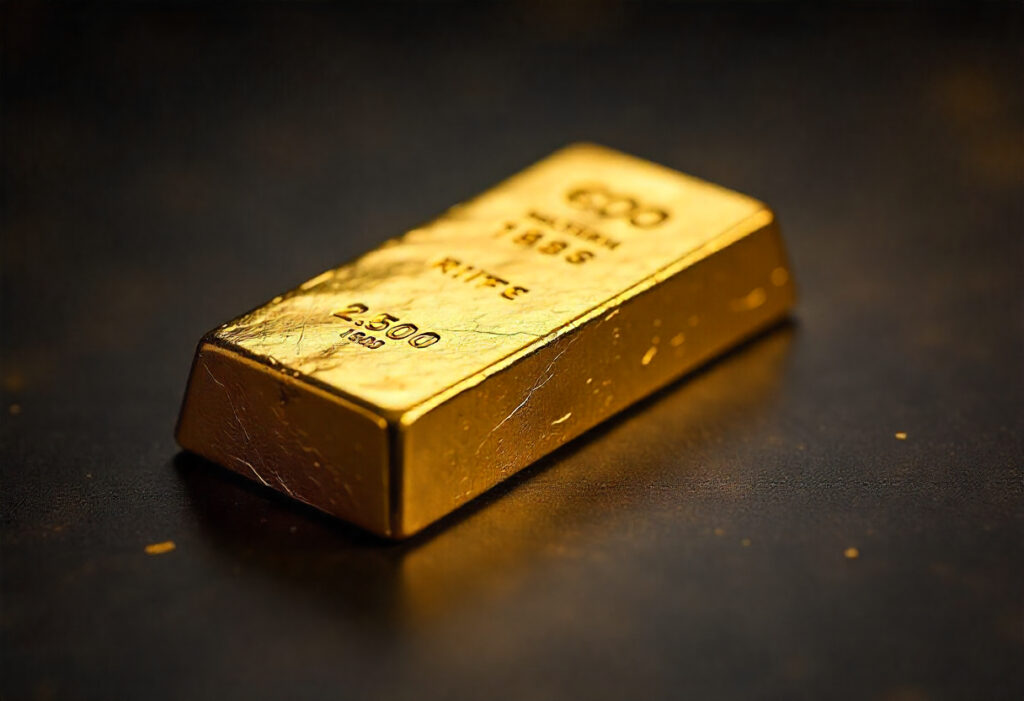
Gold prices reached an all-time high during the European trading session, driven by rising expectations for additional interest rate cuts by the Federal Reserve and ongoing geopolitical concerns. The precious metal experienced a brief correction following the release of stronger-than-expected US Gross Domestic Product (GDP) data, which indicated healthier economic conditions. As of the latest figures, the XAU/USD continuous contract advanced by 0.35%, or 15.10 points, demonstrating a notable 3.46% gain over the past five days and an impressive 18.59% increase over the last three months.
Impact of Strong GDP Data on Gold Prices
The United States GDP expanded by 4.3% for the third quarter of 2025, surpassing the forecast of 3.3% set by the Bureau of Economic Analysis (BEA). This figure reflects an increase from the previous quarter’s growth of 3.8%. The report also highlighted a rise in the core personal consumption expenditures (PCE) price index, which grew by 2.9% quarter-on-quarter, aligning with expectations. Such robust GDP performance suggests a variety of factors influencing economic health, including decreased investments, rising consumer spending, increased exports, and government expenditure, while imports remained lower than in previous quarters.
Gold prices initially pushed towards the upper Bollinger Band before the GDP data release, indicating bullish momentum. However, following the announcement of the GDP growth, the gold price faced resistance, leading to a pullback. The key resistance level was identified at 4,512.83, while current trading levels are around 4,456.025. This correction appears to reflect short-term profit-taking, spurred by the positive economic news.
Technical Analysis and Market Sentiment
Despite the recent pullback, gold remains above the middle Bollinger Band, maintaining its bullish structure. Momentum indicators, such as the Relative Strength Index (RSI), indicate overbought conditions, having previously surpassed 70 but now easing back towards the mid-60s. This shift suggests that gold may consolidate before making another upward move.
The US Dollar Index, in response to the GDP data, has shown signs of recovery from previous lows. Currently, the index is down 0.25% on the day at 98.00. At the time of writing, it trades around 98.06, facing pressure due to the implications of the stronger GDP, particularly regarding potential interest rate cuts by the Federal Reserve.
In light of the geopolitical tensions combined with a robust US economic outlook, investors may gravitate towards precious metals. This risk-averse sentiment is likely to support gold prices while exerting downward pressure on the US Dollar Index.
The relationship between US GDP data and gold prices is intricate. Stronger GDP growth may initially place downward pressure on gold as it boosts the US Dollar. However, over time, it can lead to expectations of a more dovish Federal Reserve stance and lower real interest rates, ultimately supporting gold prices.
Traders closely monitor the XAU/USD pair during significant US economic data releases due to its sensitivity to shifts in the Dollar, yields, and overall risk sentiment. As market dynamics evolve, the reaction of gold prices to economic indicators will continue to be a focal point for investors navigating these turbulent financial waters.