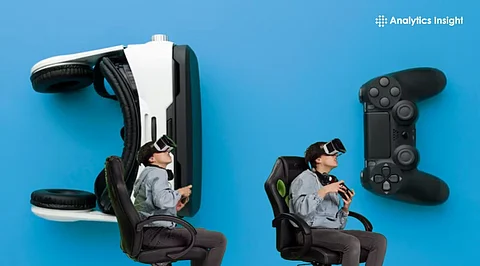
The gaming industry has experienced a dramatic transformation, evolving from simple pixelated arcade games to immersive virtual reality (VR) experiences. This evolution is driven by advancements in technology, including artificial intelligence (AI), cloud computing, and global online connectivity, which have reshaped the landscape of entertainment, competition, and social interaction. With the gaming market projected to reach $564 billion, it is clear that what began as rudimentary gameplay has developed into a complex digital ecosystem.
From Arcades to Home Consoles
The origins of gaming can be traced back to basic arcade experiences, where players inserted coins to enjoy games like Pong, which debuted in the 1970s. This early format of digital entertainment captured the attention of many, paving the way for future innovations. Following Pong, iconic titles such as Pac-Man further popularized arcade gaming, solidifying its place in popular culture.
The subsequent introduction of home gaming systems marked a significant shift. The Atari 2600 launched the era of cartridge-based consoles, allowing players to build their personal game collections. After a downturn in the early 1980s, the Nintendo Entertainment System revitalized the industry, establishing quality standards and introducing franchises that endure to this day.
Despite the limitations of 8-bit graphics, the early gaming period laid the groundwork for future developments. Simple gameplay mechanics and imaginative storytelling defined this era, which eventually led to the emergence of platformers and side-scrollers, modernizing the gaming experience.
The Rise of 3D and Online Gaming
The late 1990s and early 2000s heralded a new phase in gaming, characterized by the advent of 3D graphics engines. This technological leap enabled developers to create expansive, open environments that enhanced realism. The PlayStation 2 and Xbox 360 dominated the home entertainment market during this time, introducing cinematic narratives and competitive online multiplayer gameplay.
The launch of World of Warcraft in 2004 exemplified the potential of online gaming, allowing millions to connect in a shared virtual realm. This development not only popularized multiplayer gaming but also set the stage for professional gaming leagues and esports competitions.
Mobile gaming also emerged as a significant player in the industry, with high-end smartphones making games accessible beyond traditional consoles and PCs. Casual gaming reached a broader audience, becoming a preferred form of entertainment for many.
Virtual and Augmented Reality Innovations
The next significant advancement came with the introduction of VR and augmented reality (AR). Devices such as the Oculus Quest and PlayStation VR allowed players to engage with game worlds in ways previously unimaginable, offering immersive 360-degree experiences. This shift marked a departure from traditional screen-based gaming, enabling players to take control of in-game characters and perform actions as if they were part of the virtual environment.
The AR phenomenon was exemplified by the success of Pokémon Go, a game that seamlessly integrated real-world locations with interactive gameplay. This innovation further changed the gaming landscape, emphasizing the importance of user experience over mere visual aesthetics.
As the gaming industry continues to evolve, the integration of AI is playing a crucial role. AI enhances non-player character (NPC) behavior, creates adaptive storytelling, and enables procedural world-building, making games increasingly responsive and dynamic.
Cloud gaming is poised to further revolutionize the sector by removing hardware limitations. This technology allows high-quality games to be streamed directly to smartphones and other devices, making premium gaming accessible to a global audience.
The Future of Gaming
Looking ahead, the concept of the metaverse is emerging as a new frontier in gaming. This virtual environment offers permanent spaces for players to interact, exchange digital goods, and participate in events, blending social media, online shopping, and entertainment into a cohesive digital lifestyle.
The evolution from simple arcade games to complex, AI-driven virtual experiences illustrates how far the gaming industry has come. The five distinct periods of gaming—arcade, console, online, mobile, and immersive reality—have raised player expectations for interactive entertainment. As artificial intelligence, cloud computing, and immersive technologies continue to develop, gaming will likely become an even more integral part of everyday life.
The journey from the blinking dot on a black screen to a multi-billion-dollar digital ecosystem highlights the remarkable growth and innovation within this sector. The future promises experiences that surpass previous standards of immersion, social interaction, and personal customization, ensuring the ongoing relevance of gaming in the years to come.