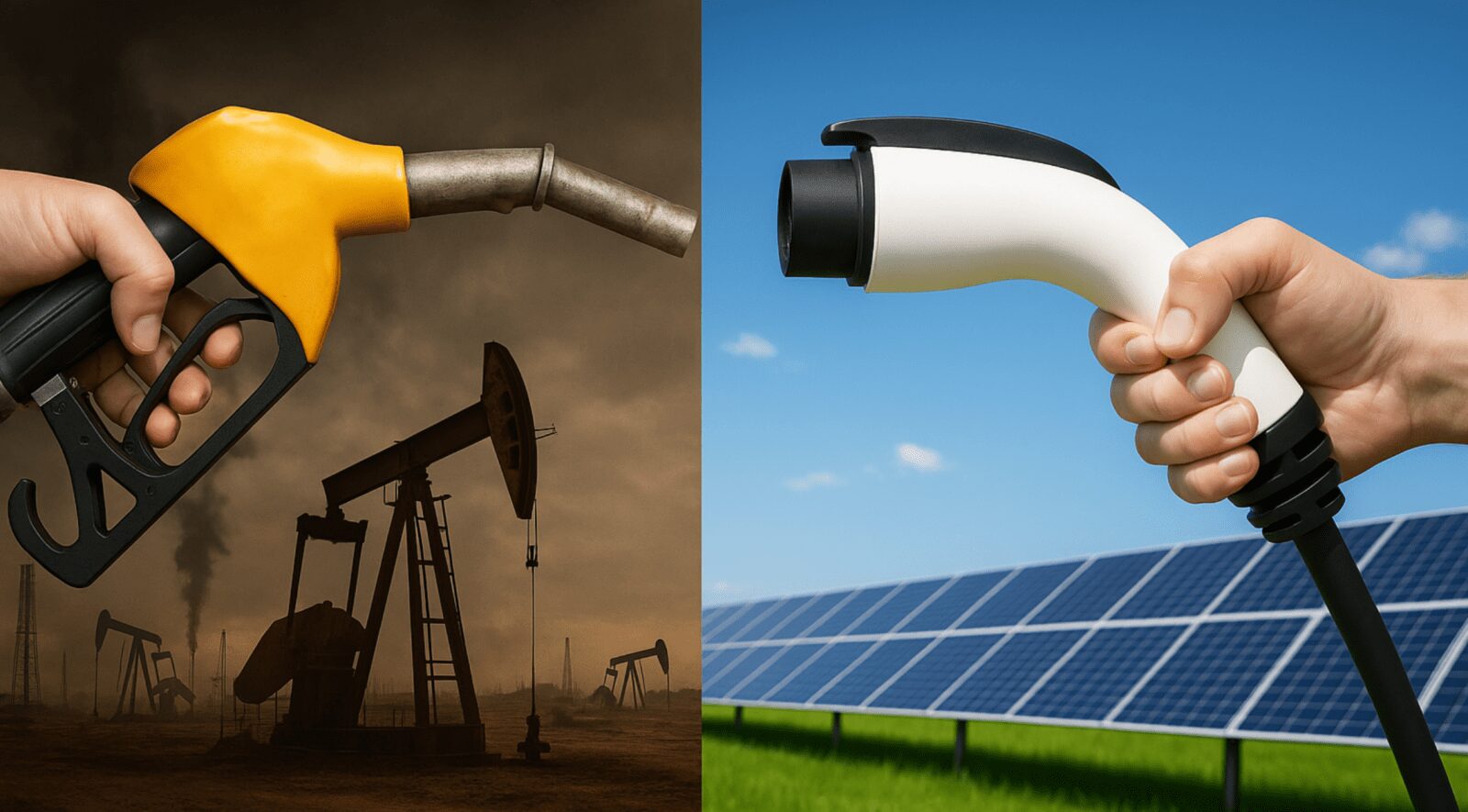
On March 15, 2024, the United States initiated military actions in Venezuela, claiming to target the country’s oil resources. This move, ordered by President Donald Trump, has reignited discussions about the role of oil in global conflicts and the potential of electric vehicles (EVs) to help mitigate such issues. Trump’s administration characterized the operation as necessary, yet critics argue that it represents an unjust invasion of Venezuelan sovereignty.
During a press conference, Trump emphasized that the operation’s primary goal was to secure Venezuela’s substantial oil reserves, a statement that raises questions about the motivations behind US military intervention. Critics point out that the US has previously imposed sanctions that contributed to Venezuela’s ongoing instability, complicating the narrative surrounding this intervention.
Oil’s Role in Global Conflict
The reliance on oil as a primary energy source has historically fueled international tensions. Military actions in the 20th and 21st centuries, including the current situation in Venezuela, often link back to oil interests. For instance, the conflict between Russia and European nations highlights how energy dependency can lead to geopolitical vulnerabilities. Following Russia’s annexation of Crimea in 2015, Europe’s reliance on Russian oil and gas limited their responses, emboldening further aggression.
According to the US Department of Defense, climate change and resource scarcity are threats that can escalate global conflicts. The prevalence of oil as a central resource in military actions underlines the necessity of transitioning away from fossil fuels. EVs present a promising solution to this ongoing crisis, as they significantly reduce the demand for oil.
The Transition to Electric Vehicles
Current statistics indicate that transportation accounts for the majority of oil consumption, particularly in light-duty vehicles. By shifting to electric cars, countries can lessen their dependence on oil, which could subsequently decrease the likelihood of conflicts driven by resource competition. EVs can operate on various electricity sources, enabling nations to utilize domestic energy resources such as wind, solar, or hydropower, thereby enhancing energy self-sufficiency.
Countries like Norway and China are already witnessing a decline in oil demand, with Norway reportedly having passed peak oil demand. Projections indicate that global oil consumption could follow suit by the end of this decade, driven by advancements in technology and greater energy efficiency.
While it is acknowledged that oil still plays a role in other sectors, such as heating and manufacturing, the majority of its usage is tied to transportation. The adoption of electric vehicles, alongside other technologies like electric bicycles and heat pumps, could dramatically reduce oil reliance. Ultimately, reducing this demand could lead to a more stable geopolitical landscape.
Despite the clear benefits of transitioning to electric vehicles, powerful interests in the fossil fuel industry continue to resist this change. Industry stakeholders often lobby against renewable energy initiatives, fearing a loss of profit and influence. Nevertheless, the decline in oil consumption in the United States, which peaked in 2019 and has not returned to those levels, suggests a shift is already underway.
As nations strive to curtail conflicts related to oil, accelerating the transition to electric vehicles emerges as a strategic imperative. The potential for EV technology to alleviate resource-driven tensions is significant. By investing in renewable energy and electric transportation, governments can take proactive steps toward a future less reliant on oil, ultimately fostering a more peaceful global environment.
In conclusion, the recent events in Venezuela underscore the urgent need for a shift away from fossil fuels. The benefits of electric vehicles extend beyond environmental considerations; they present an opportunity to diminish the geopolitical tensions that have historically stemmed from oil dependency. This transition could pave the way for a more sustainable and peaceful world.