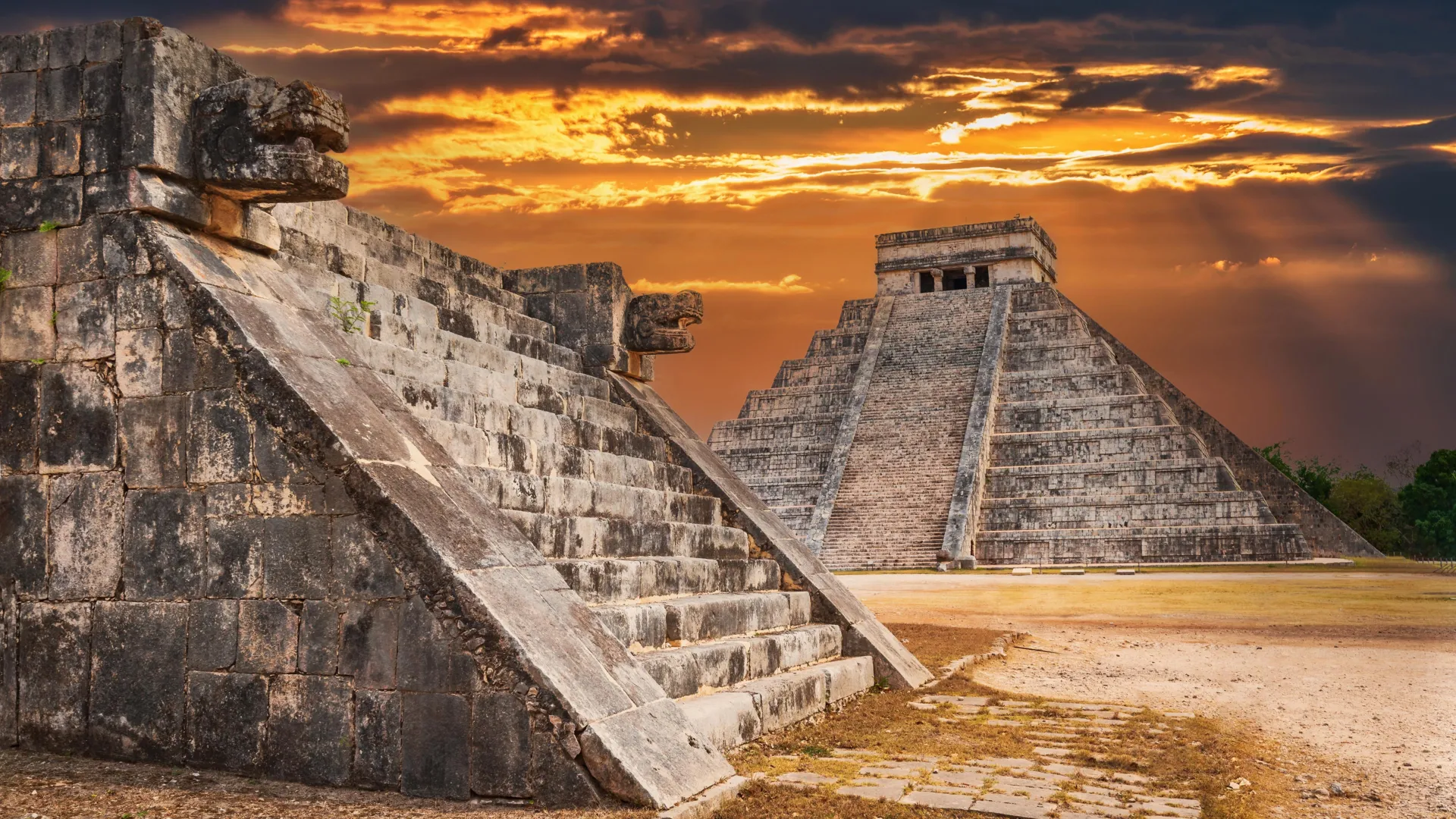
UPDATE: New research has just confirmed that the collapse of Classic Maya cities was driven by a complex interplay of factors beyond just drought. A study released on November 26, 2025, by researchers from the University of California – Santa Barbara reveals that urban growth in these ancient cities was influenced by climate downturns, conflict, and agricultural economies of scale.
This groundbreaking study is vital as it reshapes our understanding of urban development and decline. As climate conditions improved, many residents abandoned crowded cities for rural areas, seeking freedom and better living conditions. The implications of these findings extend far beyond archeology, offering insights relevant to modern urban challenges.
The research team, led by archaeologist Douglas Kennett, utilized population ecology theory to quantify the forces that propelled urbanization in the Maya Lowlands. Their findings are detailed in the Proceedings of the National Academy of Sciences, providing a unified model of urban change that includes environmental pressures, warfare, and economic dynamics.
Kennett stated, “The rise of Classic Maya cities resulted from the interaction of climate downturns, intergroup conflict, and strong economies of scale from agricultural investments.” This combination made urban living appealing despite its inherent costs—higher disease exposure, resource competition, and social inequality.
Previously, researchers primarily attributed the decline of these cities to prolonged drought. However, the latest data indicates that urban abandonment occurred even as climatic conditions improved. “The biggest surprise for me was that the abandonment of cities occurred under improving climatic conditions,” Kennett noted.
The research team compiled archaeological data on population shifts, conflict, and agricultural investment since 2012. The availability of high-resolution climate records and advances in computational modeling allowed them to explore relationships within these datasets more effectively.
This study not only addresses long-standing debates about the Maya’s urban evolution but also serves as a crucial framework for understanding urban growth and decline across different eras. By identifying the broad principles that influence population dynamics, the research enhances our comprehension of urban evolution today.
As cities around the world continue to experience shifts in population due to various pressures, including climate change and public health events, these findings underscore the importance of understanding the underlying factors at play. This research not only enriches our historical knowledge but may also provide strategies for addressing contemporary urban issues.
Stay tuned for further updates on this groundbreaking study and its implications for both history and modern urban development.