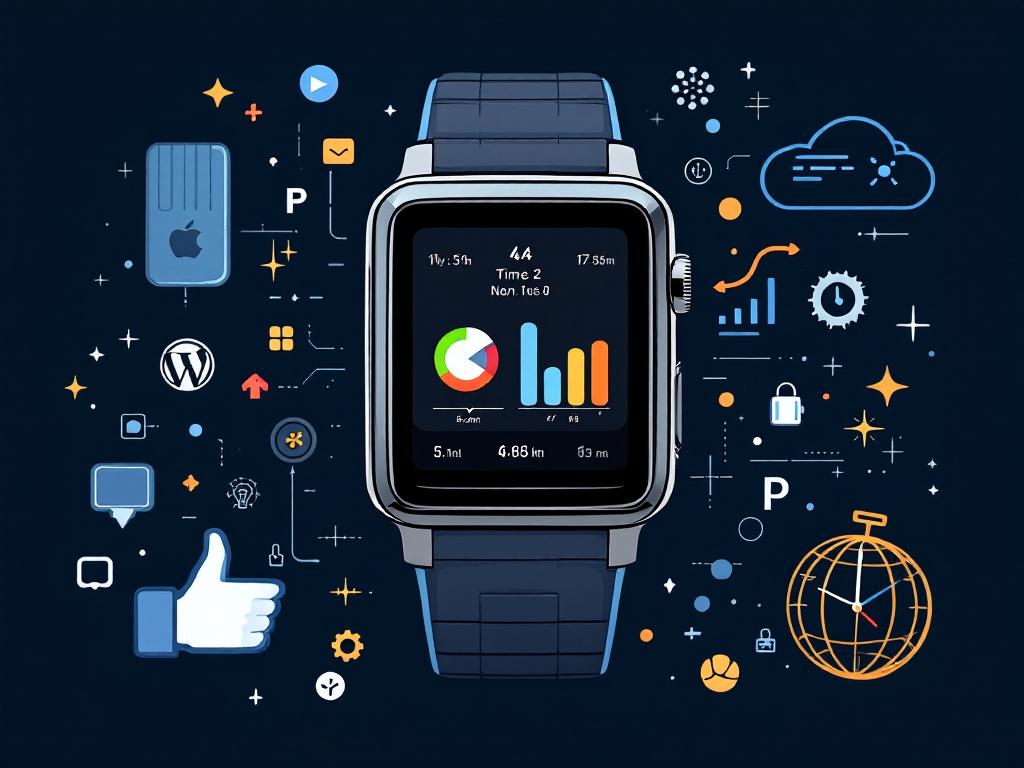
The revival of Pebble smartwatches has officially begun, thanks to a groundbreaking initiative by Core Devices to open-source the entire Pebble software stack. This pivotal move, announced recently, aims to breathe new life into the brand, which faded from the spotlight after its acquisition by Fitbit in 2016. The first shipments of the new Pebble Time 2 are expected to start in January 2025, generating excitement among both enthusiasts and developers eager to explore its potential.
Pebble’s journey began in 2012 with a successful Kickstarter campaign that raised over $10 million. The original smartwatch captivated users with its e-paper display, long battery life, and straightforward functionality. Unlike contemporary wearables that prioritize extensive data collection, Pebble focused on delivering essential notifications and fitness tracking without overwhelming its users. However, financial difficulties led to its acquisition by Fitbit, which ultimately resulted in the dissolution of the Pebble ecosystem.
In a significant shift, Google, which acquired Fitbit in 2021, chose to open-source PebbleOS earlier this year. This decision has not only preserved the original code but has also invited global collaboration, rekindling interest in a product many had deemed obsolete. Eric Migicovsky, Pebble’s founder, has been a driving force behind this revival, working on new devices like the Pebble Time 2 and Core 2 Duo that operate on the open-source PebbleOS.
Community Engagement and Open-Source Strategy
The decision to open-source the entire software stack, including the mobile application, represents both a technical and philosophical commitment to community-driven development. By making the code freely available, Core Devices aims to create an ecosystem where developers can contribute enhancements, fix bugs, and adapt the software for new hardware. This aligns with successful open-source projects, such as Linux, which have benefited from extensive community involvement.
According to a report from Developer Tech in February, the open-source initiative has already mobilized developers to port PebbleOS to experimental devices, enhancing its compatibility with modern smartphones. However, this transition has sparked controversy. The Rebble community, which has kept Pebble watches operational through reverse-engineered services since 2017, accused Migicovsky of appropriating their work. In response, Migicovsky clarified his intentions in a blog post, emphasizing collaboration over competition and acknowledging the contributions of existing communities.
From a business perspective, transitioning to an open-source model mitigates risks associated with proprietary technology. As noted by 9to5Google in January, Google’s decision to release the code acknowledges Pebble’s dedicated fanbase, potentially circumventing obsolescence and abandonment issues. For Core Devices, this strategy promises reduced development costs, as community contributions can streamline updates.
Innovative Features and Market Positioning
The upcoming Pebble Time 2 is more than just a nostalgic reissue; it is an evolution of the original concept. With its signature e-paper display for optimal visibility in sunlight and an impressive battery life of up to 30 days, the new model incorporates modern health sensors and compatibility with open-source applications. As highlighted in an article from The Indian Express, this relaunch positions Pebble as a viable alternative to data-centric wearables, particularly appealing to privacy-conscious consumers.
The development of these new devices has been driven by grassroots efforts. Migicovsky’s team initially formed out of frustration over the lack of Pebble-like options in the market. Their approach has integrated innovative features such as enhanced timeline functionalities while remaining true to Pebble’s original vision. Pre-orders for models like the Core 2 Duo, priced between $149 and $225, began earlier this year, with an anticipated launch in August, as reported by The Express Tribune. This pricing strategy aims to make the devices accessible for hobbyists and developers eager to experiment.
Community feedback has played a crucial role in shaping the new Pebble offerings. Online forums and discussions reveal users experimenting with custom firmware, integrating Pebble with Internet of Things (IoT) devices, and exploring niche applications like epilepsy detection—a feature that Pebble pioneered back in 2016, as noted in a past article from New Scientist.
The open-source approach not only ensures Pebble’s survival but also fosters user-driven innovation, potentially extending its relevance far beyond what a traditional closed system could achieve.
Implications for the Wearables Market
In a market dominated by giants like Apple and Samsung, Pebble’s open-source revival could challenge the status quo. Analysts suggest that it appeals to consumers weary of subscription-based features and devices with short battery lives. A piece from Linux-Magazin in July praised this move for setting new standards in open wearables, while Startup Ecosystem Canada highlighted the focus on sustainability and devices designed for longevity.
Economically, open-sourcing the technology allows Core Devices to reduce research and development overhead by leveraging a global pool of talent. This model mirrors successful open-source hardware initiatives like Raspberry Pi, where community modifications drive adoption. Former Pebble engineer Brad Murray expressed pride in the revival of the codebase on social media, indicating a strong emotional connection to Pebble’s legacy among developers.
Despite these promising developments, challenges remain. Ensuring security within an open ecosystem is paramount, as any vulnerabilities could be exploited. Core Devices must address this by encouraging contributions from vetted developers, potentially establishing a foundation akin to the Apache Software Foundation. Additionally, competition from budget smartwatches could dilute Pebble’s unique selling points, although its open nature provides a significant differentiator.
The controversy surrounding the Rebble community may ultimately lead to a stronger ecosystem. Migicovsky’s response to the accusations included proposals for potential integrations, echoing past open-source histories where forks resulted in healthier projects. Insiders believe that collaborative efforts could yield a robust and feature-rich PebbleOS that benefits all users.
Looking ahead, Pebble’s model could inspire other legacy technology revivals, including open-sourced versions of outdated devices. This shift signals a changing landscape in which communities, rather than corporations, dictate the future of technology.
The story of Pebble serves as a testament to the power of persistence and community engagement. From its Kickstarter origins to its acquisition by Fitbit and now its open-source future, Pebble illustrates how innovation can endure through collective effort. As shipments begin and the community continues to rally around the brand, Pebble’s revival is not merely about smartwatches; it represents a reclaiming of control in the technology space, potentially setting a blueprint for future successes in open hardware.