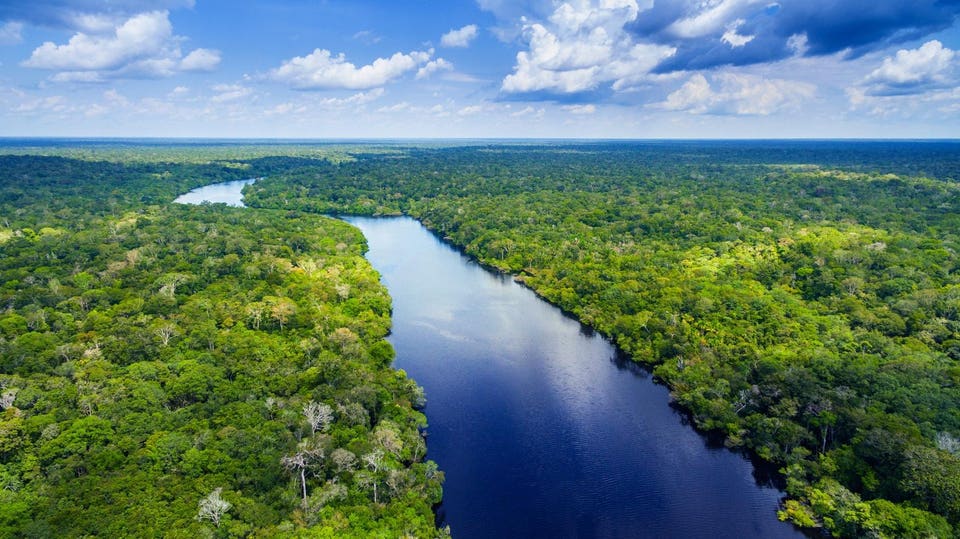
An innovative financial model introduced prior to COP30 aims to enhance the focus on nature conservation alongside efforts to combat climate change. The Tropical Forest Forever Facility, launched just before negotiations began in the Brazilian Amazon, is designed to protect vital tropical ecosystems. Unlike traditional rainforest conservation initiatives that depend heavily on government funds or carbon credits, this facility incorporates both public and private financing, promising returns for its investors.
While it is still uncertain if the facility will attract its ambitious target of $125 billion, its introduction highlights the emerging financial opportunities for investors and companies to engage in ecosystem preservation. The protection of forests was a significant topic during discussions at COP30, reflecting the growing recognition of nature’s critical role in global environmental strategies.
Nature’s Rising Importance in Climate Discussions
Earlier this year, events like London Climate Action Week and Climate Week NYC sparked dialogues on addressing nature and biodiversity loss. These platforms emphasized the need for integrated approaches to achieve both business and environmental objectives while mitigating risks. During these events, 34 governments unveiled a roadmap aimed at unlocking billions in funding for forest conservation solutions by 2030.
The urgency of these discussions stems from the understanding that nature loss and climate change are interconnected challenges. The Ceres report indicates that climate change significantly impacts natural ecosystem services, such as pollination and soil maintenance, which are essential for business operations. This analysis underscores that failing to address nature-related risks can have dire economic consequences across various sectors.
Integrating Nature into Business Strategies
Industries are significant contributors to the main drivers of nature loss, including land use changes, pollution, and exploitation of natural resources. While climate change effects are generally felt on a global scale—exemplified by increased hurricanes and droughts—nature-related degradation often has immediate local consequences. For instance, pollution from a food manufacturer can compromise local water supplies, ultimately threatening the business itself.
Recognizing the need for simultaneous climate and nature action, businesses are increasingly incorporating nature risk assessments into their strategic planning. Reports from initiatives like Nature Action 100 highlight the strides investors are making in addressing nature-related financial issues across various industries. As the importance of transparency grows, over 700 companies and financial institutions from more than 56 countries have committed to aligning with the recommendations of the Taskforce on Nature-related Financial Disclosures.
An analysis of data from over 220 leading asset owners and managers reveals that investors are beginning to understand the financial materiality of nature loss. Approximately 60% of investors are now including nature-related disclosures in their transition plans. Furthermore, a study of 32 businesses with a combined worth of $700 billion shows that most companies are integrating climate targets into their nature strategies.
The emergence of the Tropical Forest Forever Facility signifies a shift towards prioritizing the conservation of essential ecosystems within global financial flows. This development offers optimism, yet it is clear that more urgent action is required from businesses to mitigate the risks associated with climate change and nature loss.
In summary, whether through adopting nature-focused strategies, engaging in collaborative initiatives, or investing in innovative financing solutions like the Tropical Forest Forever Facility, businesses and financial institutions have a vital role in supporting global conservation goals. The interconnectedness of nature and climate action cannot be overlooked, as safeguarding the planet is crucial for the sustainability of profits, communities, and ecosystems alike.