Deadly Hantavirus Outbreak Forces Urgent Evacuations on Cruise Ship
A rare and deadly hantavirus outbreak aboard the MV Hondius has sparked urgent evacuations after three passengers died
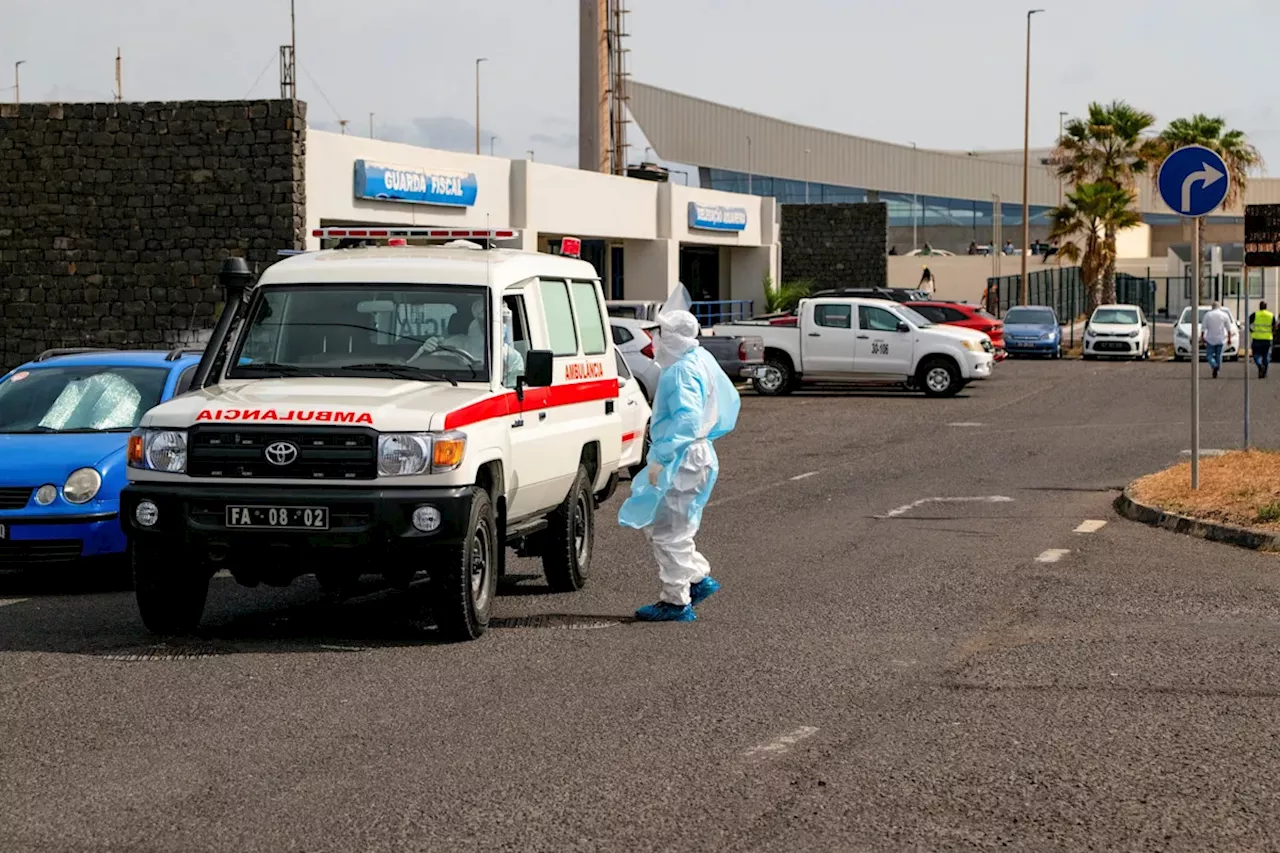
. The ship, which departed from Ushuaia, Argentina on April 1, 2026, is currently anchored off the coast of Cape Verde. Authorities announced on May 6 that medical teams evacuated two crew members and one additional person suspected of carrying the virus. This outbreak involves a rare strain of hantavirus pulmonary syndrome confirmed by experts as capable of human-to-human transmission, heightening global health concerns. The passengers, aboard since early April, are scheduled to disembark on May 11, marking the end of the typical incubation period, which ranges from one to six weeks. Two medical flights carrying infected and at-risk passengers landed safely today in Spain’s Canary Islands and the Netherlands, where further quarantine and treatment are underway. The confirmation of direct human transmission marks one of the few recorded incidents involving this hantavirus strain, shifting the situation from an isolated zoonotic outbreak to a potential public health emergency. Health officials emphasize the urgency of containment to prevent further spread, especially given the densely populated conditions aboard cruise ships. Colorado and many U.S. states have previously reported hantavirus cases typically transmitted via rodents, but this new human-to-human strain represents a new and alarming threat. The outbreak on the MV Hondius highlights the risks of international travel and the need for vigilance, especially as cruise travel rebounds. Public health experts urge all travelers to remain alert for symptoms of hantavirus, including fever, muscle aches, and respiratory issues, and stress the importance of early medical intervention. The Centers for Disease Control and Prevention (CDC) is reportedly monitoring the situation closely. Officials plan to maintain quarantine protocols for all remaining passengers until the risk period expires on May 11. Further testing and antiviral treatments are underway both on medical flights and at quarantine sites in Europe. International health agencies are collaborating to trace potential contacts and contain the rare outbreak.
“Confirming human-to-human transmission dramatically changes how we respond to hantavirus threats,” said a health official involved in the operation. “Swift evacuation and containment are critical.”
The evolving situation intensifies concerns for global travelers and highlights potential challenges for Colorado’s health system in monitoring new infectious diseases that may enter through international ports and travelers. Stay tuned to The Colorado Daily for the latest updates on this developing story.Passengers Await Evacuation Amid Growing Fear
Why This Matters to U.S. and Colorado Residents
Next Steps and Ongoing Investigations