Trump Administration Rolls Out Expanded Cuba Sanctions on May Day Amid Rising Tensions
The Trump administration sharply escalated its economic pressure on Cuba with a new round of sanctions issued in a May Day executive order, intensifying an already severe economic crisis in Havana.
President Donald Trump announced the sanctions as millions worldwide observed International Workers’ Day, a move swiftly denounced by Cuban officials as deliberate and punitive.
Cuba Condemns Move as ‘Collective Punishment’
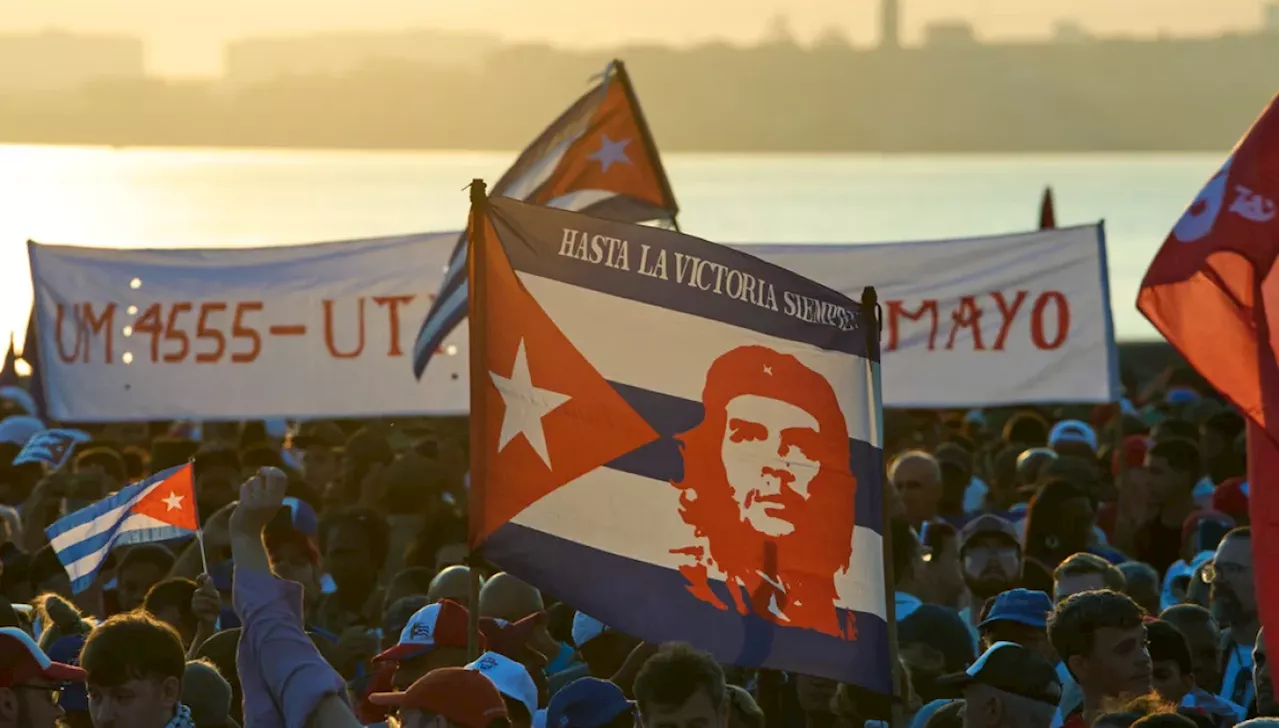
Cuban Foreign Minister Bruno Rodriguez called the sanctions “unilateral coercive measures” designed as “collective punishment on the Cuban people” timed to coincide with the holiday when citizens rally against the US blockade.
Rodriguez accused the US government of simultaneously suppressing protests at home while amplifying pressure on Cuba’s government, whose citizens are described as “heroically resisting US imperialism.”
Details of Executive Order
The White House labeled Cuba’s government as an “unusual and extraordinary threat” to US national security and foreign policy. The new directive extends previous sanctions, targeting Cuba’s economic lifelines amid persistent hardships.
These measures come as Cuba reels from an ongoing energy crisis worsened by a January 3 attack by Delta Force commandos, which disrupted the island’s central oil supply route crucial for heating, transportation, and industry.
Why This Matters Now
Washington’s sanctions aim to increase pressure on Havana amid heightened geopolitical friction in the Western Hemisphere. Trump has signaled intentions to intensify focus on Cuba after dealing with conflicts in the Middle East, indicating a broader strategic priority shift.
The sanctions deepen economic strain on Cuban families already facing shortages and inflation, raising concerns about humanitarian impacts amid political confrontation.
What’s Next?
Analysts expect the Trump administration to maintain or escalate sanctions in coming months, further isolating Cuba economically and diplomatically. The Cuban government is likely to rally domestic and international support against these measures, framing them as unjust aggression.
For the US, the sanctions reinforce a hardline approach to Cuba, reflecting longstanding tensions that shape policy debates in Washington and affect regional stability.
Context for US and Colorado Readers
While the sanctions directly impact Cuba, the ripple effects could influence energy markets and migration patterns affecting the US, including Colorado’s international trade and policy interests. The heightened rhetoric also feeds broader US foreign policy discussions relevant to voters and policymakers at home.
Stay tuned to The Colorado Daily for ongoing coverage as this developing story unfolds.