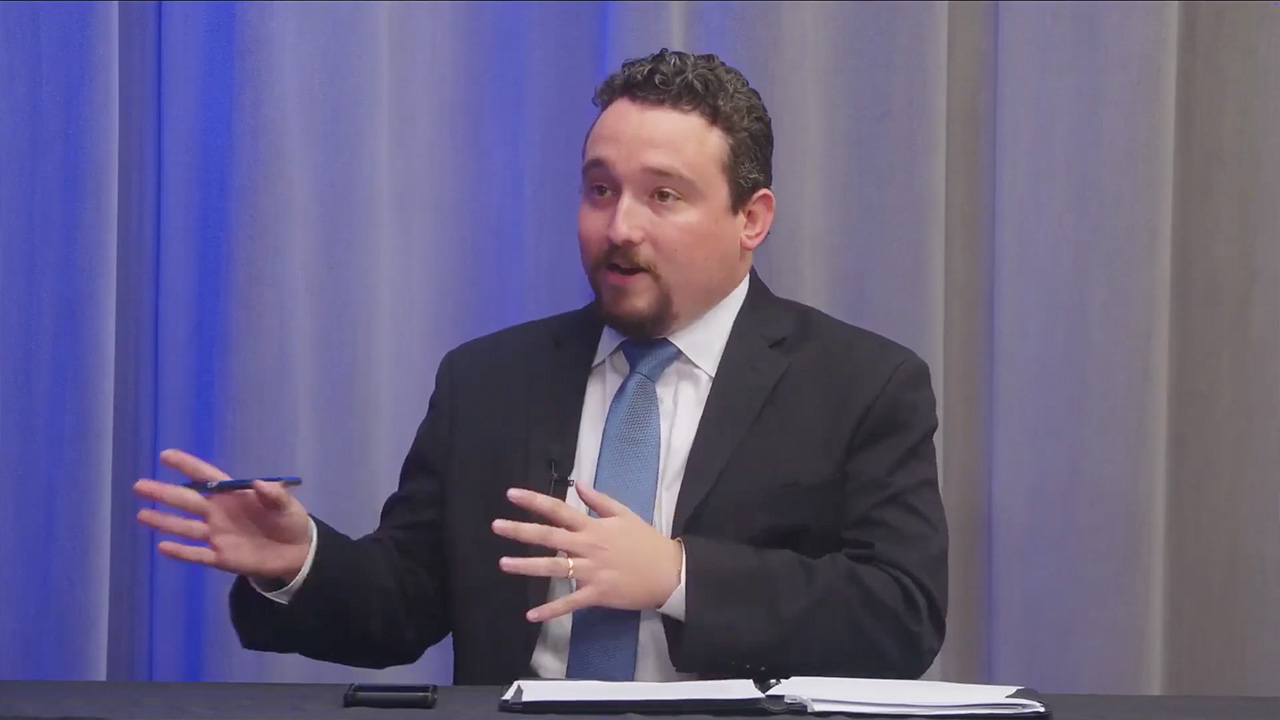
Fresno, CA — Six candidates vying for the District 1 Fresno County Supervisor seat faced off Monday night in a charged debate centered on the county’s critical Measure C transportation tax and explosive growth concerns. The high-profile forum, hosted at the Community Media Access Collaborative in downtown Fresno, drew sharp positions on development, agriculture, and data center expansion, energizing voters as ballots prepare to hit mailboxes the week of May 4.
The candidates—Fresno City Councilmember Mike Karbassi, nonprofit leader Eric Payne, Firebaugh Councilmember Felipe Perez, Mendota Unified trustee Lupe Flores, Kerman Mayor Maria Pacheco, and West Hills Trustee Omar Hernandez—are fiercely competing to replace Supervisor Brian Pacheco, currently running for the state Assembly.
The event, moderated by Blake Zante of The Maddy Institute, blasted through urgent topics including whether Measure C, the county’s pivotal transportation tax, should be renewed or replaced. The discussion spotlighted how transportation funding impacts daily commutes and the county’s sprawling agricultural economy, a vital piece of California’s food system with direct relevance to urban and rural communities alike.
Measure C Sparks Divisions
Measure C, the county’s multi-billion-dollar transportation tax aimed at funding road repairs, transit, and safety upgrades, emerged as the night’s lightning rod. Candidates debated its scope and fiscal management amid fears of growing Fresno County’s footprint unchecked.
Mike Karbassi emphasized infrastructure investment as key to sustainable growth, while Eric Payne pressed for greater fiscal transparency and closer auditing of county departments to ensure taxpayer money is maximized. The debate reflected deep voter concerns over balancing development with preserving agricultural land.
Growth, Agriculture and Industry
Support for Fresno County’s expansive agricultural sector was a throughline for several candidates, highlighting its role in feeding millions nationwide. Yet, contention mounted regarding industrial growth along Highway 99 and the Southeast Development Area (SEDA), with some candidates warning against overdevelopment and others advocating for job-creating projects.
One of the forum’s flashpoints was the future of data centers—massive tech infrastructures needing vast power and water resources. The question was whether Fresno County should welcome these facilities or restrict them to protect resources and local environments.
Ballots and What’s Next
With ballots set to be mailed starting the week of May 4 and the first early voting center opening at the Fresno County Elections Office downtown, the race’s intensity is only ramping up. The primary election culminates June 2, making this forum a crucial moment for voter engagement and scrutiny.
The stakes are high for Fresno County and its residents, who face rapid urban expansion, resource management challenges, and transportation infrastructure needs that echo similar pressures in growing regions across the West.
Blake Zante moderated the forum, stating, “This election will shape how Fresno County balances growth, infrastructure, and community priorities in the coming decade.”
As California’s Central Valley counties like Fresno grapple with explosive growth, debates over taxes like Measure C and land use resonate nationally with voters watching transit equity, environmental sustainability, and economic development play out in real time.
Voters across Colorado and the nation who monitor local governance battles should watch how Fresno’s election reflects broader themes—from infrastructure funding to data center politics—that could influence similar contests in fast-growing counties.
The tension between rapid development and community preservation is playing out NOW in Fresno just as Colorado communities face their own growth management crossroads heading into the 2026 election seasons.