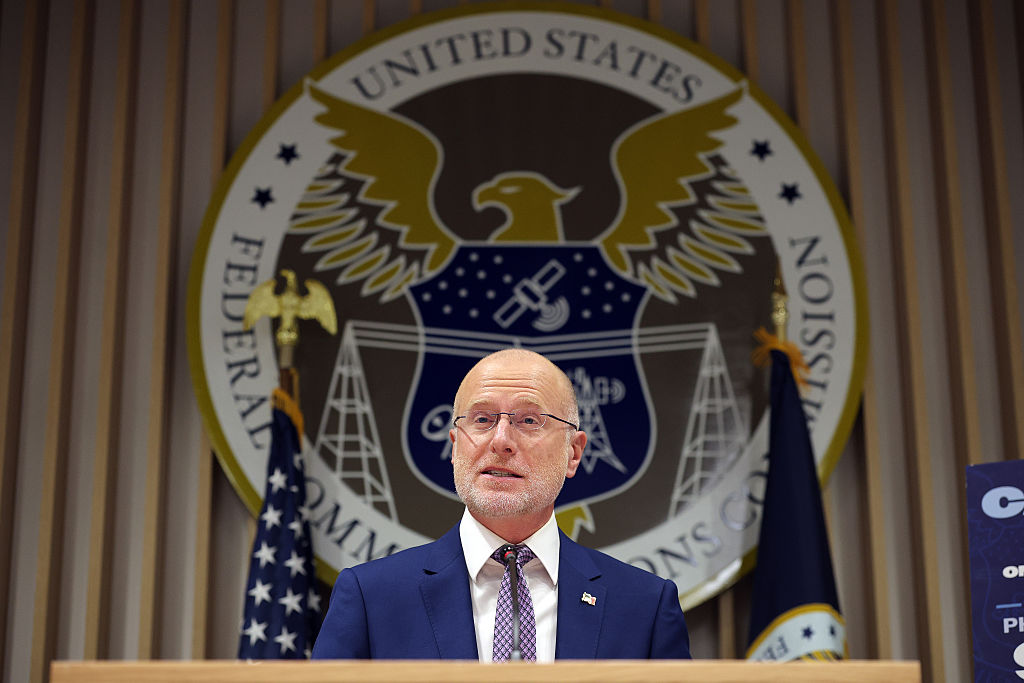
The Federal Communications Commission (FCC) has issued a stern warning to broadcasters regarding their coverage of the ongoing conflict between the United States and Iran. FCC Chairman Brendan Carr emphasized that news outlets must provide accurate reporting or face potential consequences affecting their broadcast licenses. This warning comes as the war enters its third week and follows accusations from former President Donald Trump that major media organizations are misrepresenting the administration’s military actions.
During a statement made on March 14, 2026, Carr highlighted the legal obligation of broadcasters to serve the “public interest.” He indicated that networks disseminating what he deemed as misleading information about the war could encounter difficulties when their licenses are due for renewal. Carr stated, “Broadcasters that are running hoaxes and news distortions have a chance now to correct course before their license renewals come up.”
Trump’s criticisms, shared via his social media platform, Truth Social, claimed that the media’s portrayal of the war was “wrong” and encouraged Americans to disregard certain press reports. His comments have fueled a growing concern among press freedom advocates and media analysts, who fear that such statements could exert undue pressure on news organizations during a critical time of conflict.
Concerns Over Media Independence
The controversy has sparked discussions about the relationship between major media companies and federal regulators. Recent tensions surrounding CBS, particularly the internal scrutiny of a segment from the program “60 Minutes,” have raised questions about editorial independence. Additionally, political comedy shows, such as those hosted by Stephen Colbert, have faced backlash from conservative critics over their coverage.
As large media companies like Warner Bros. Discovery and Paramount Global navigate corporate restructuring and potential deals requiring regulatory approval, critics warn of a chilling effect on newsroom practices. This blend of political pressure and regulatory oversight is thought to threaten journalistic integrity, particularly as the administration continues to respond to press coverage of the war.
Senator Brian Schatz expressed deep concern about the implications of Carr’s warning, stating, “This is a clear directive to provide positive war coverage or else licenses may not be renewed.” He characterized the situation as far more serious than previous concerns regarding entertainment programming, emphasizing the significant stakes involved in how wartime events are reported.
Regulatory Responsibilities and Media Landscape
In defending the FCC’s stance, Carr reiterated the responsibility of broadcasters who utilize publicly licensed airwaves to deliver accurate information. His remarks highlight the ongoing tension between the current administration and major news organizations amid escalating conflict abroad. As the situation continues to evolve, the question of how the war will be portrayed to the American public remains at the forefront of media discussions.
The FCC’s warning illustrates the critical balance between regulatory oversight and the independence of the media during wartime. With the potential for renewed scrutiny of broadcast licenses, broadcasters face a pivotal moment in their commitment to uphold transparency and accuracy in their reporting.