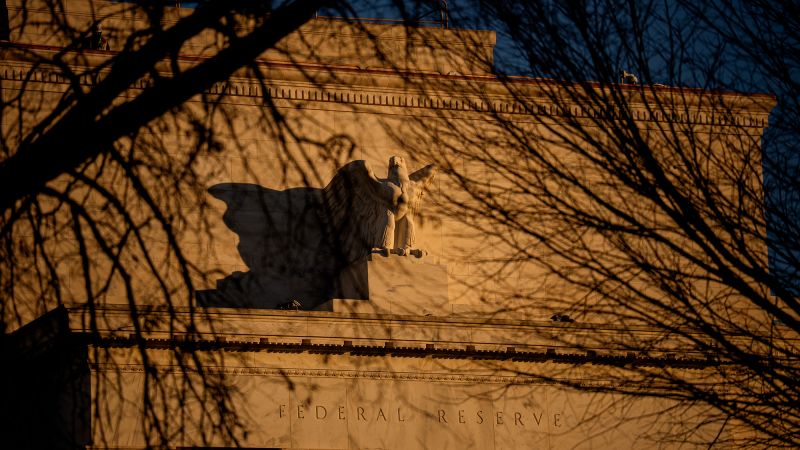
The Federal Reserve is grappling with the ramifications of a significant oil crisis as it prepares for crucial policy discussions this week. Rising tensions from President Donald Trump’s actions against Iran have led to soaring oil prices, with West Texas Intermediate (WTI), the US crude benchmark, briefly hitting $120 per barrel last week. This surge threatens to inflate costs for consumers and businesses alike, potentially stalling economic growth and slowing hiring.
This dual challenge of escalating inflation and a weakening job market places Fed officials in a difficult position, especially as Kevin Warsh, Trump’s nominee to lead the central bank, awaits Senate confirmation. The current situation evokes memories of the severe oil shock experienced during the 1973 Arab-Israeli War, which pushed the US economy into a period of stagflation. However, the economic landscape today is markedly different, and it is unclear if the Fed will respond similarly to past crises.
Comparing Past and Present Oil Crises
Today, the United States, as the world’s largest oil producer, is less dependent on imported crude oil than it was during previous energy crises. Yet, experts warn that the current disruption to global energy markets could prove more severe. According to Nicholas Mulder, a history professor at Cornell University, “The total amount of Gulf oil production that’s currently locked up due to this war is much bigger than it was back then.” He noted that approximately 20 million barrels are affected today, compared to about 4.5 million during the 1973 crisis.
The geopolitical landscape has also evolved. In 1973, the Arab members of the Organization of Petroleum Exporting Countries (OPEC) imposed an oil embargo in response to Western support for Israel, causing significant economic pain in the US. Back then, the Fed, under Chairman Arthur Burns, was hesitant to raise interest rates, arguing that inflationary pressures were largely external to monetary policy. This “stop and go” approach has since been criticized for entrenching inflation and failing to support economic growth.
Today, Fed officials recognize the importance of monetary policy in mitigating economic shocks. Nonetheless, the current scenario is complicated. “We’re in a situation today where facilities are under attack from Iranian drones and missiles,” explained Josh Freed, senior vice president for the climate and energy program at Third Way. “That’s physical damage that could take a while to repair, so this makes it potentially worse than the oil embargo of the 1970s. There’s just a ton of uncertainty around all this.”
Impact on American Consumers and the Job Market
Americans are already feeling the impact of rising oil prices. The University of Michigan’s latest consumer survey indicated a 2% decline in consumer sentiment, with many respondents citing concerns over the ongoing conflict. The implications for the job market are equally concerning. The Bureau of Labor Statistics reported that employers cut 92,000 jobs in February, raising the unemployment rate to 4.4%. While job openings increased by 400,000 in January, the number of unemployed individuals seeking work still exceeds available positions.
“There’s very little question that there is going to be an inflation effect from the war with Iran,” said Tani Fukui, senior director of economic and market strategy at MetLife Investment Management. However, the extent of this effect remains uncertain. As Americans face rising prices at the pump, the pressing question is whether the Federal Reserve can leverage historical lessons to navigate the current crisis and prevent a downturn in the economy.