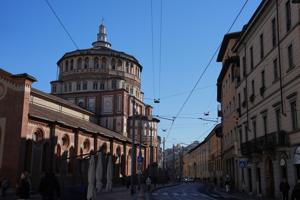
The Dominican convent of Santa Maria delle Grazie in Milan continues to be a place of spiritual significance while housing one of the world’s most renowned artworks, Leonardo da Vinci’s “The Last Supper.” While the refectory that houses the mural has been transformed into a museum, a small community of Dominican friars persists in maintaining the convent’s religious life.
Visitors flock to the site not only to admire the iconic painting but also to experience the ongoing monastic traditions upheld by the friars. This unique blend of art and spirituality has attracted tourists and pilgrims alike, contributing to the convent’s vibrant atmosphere.
Preserving a Legacy
The friars at the convent have lived and prayed there since its construction in the 15th century. They play an essential role in preserving the history and spiritual essence of the site. Daily prayers and religious services take place, allowing guests to witness the enduring practices of the Dominican Order.
The friars also engage with visitors, offering guided tours that highlight both the artwork and the convent’s historical significance. According to the Italian Ministry of Cultural Heritage, this interaction creates a deeper understanding of the cultural and spiritual dimensions of the site, enhancing the visitor experience.
Despite the influx of tourists, the friars emphasize the importance of maintaining a peaceful environment for prayer and reflection. They encourage visitors to respect the sanctity of the space, reminding them that it is still a functioning convent.
A UNESCO World Heritage Site
In 1980, Santa Maria delle Grazie was designated a UNESCO World Heritage Site, acknowledging its outstanding universal value. The convent not only showcases da Vinci’s masterpiece but also represents a significant chapter in the history of art and architecture.
The combination of the fresco and the friars’ presence creates a unique cultural tapestry. The site serves as a reminder of the intersection of faith and creativity, a testament to the lasting impact of the Dominican Order in the region.
Visiting the convent provides a rare opportunity to engage with both art and spirituality in a historical context. The friars’ commitment to their religious duties ensures that the convent remains a living institution, bridging the past with the present.
As the convent continues to welcome individuals seeking inspiration and reflection, it stands as a symbol of resilience and dedication to faith. The enduring presence of the Dominican friars enriches the experience for all who visit this remarkable site.