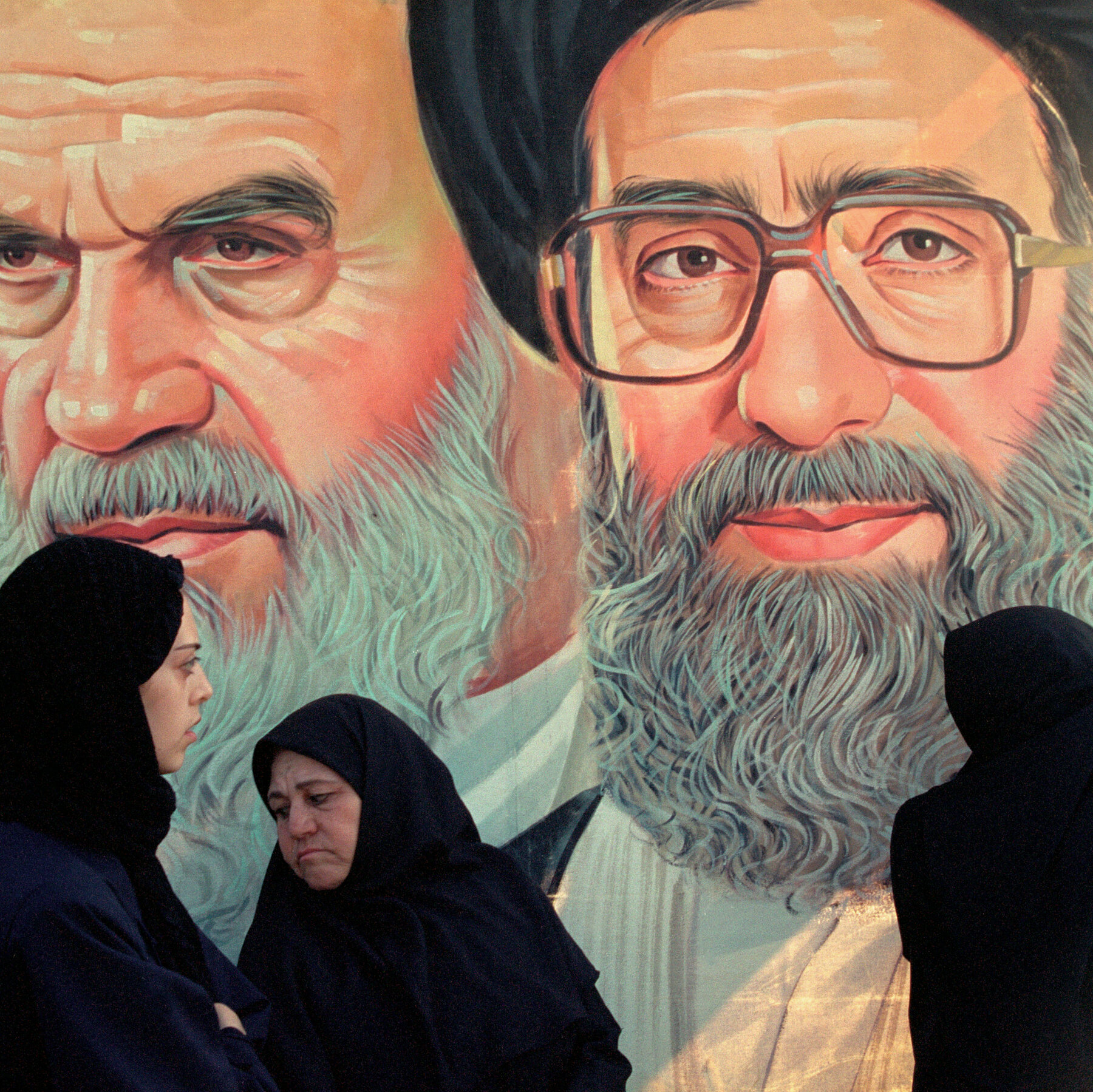
The death of Ayatollah Ali Khamenei, the Supreme Leader of Iran, on February 12, 2023, has sparked widespread discussions about the future of the Islamic Republic. Khamenei’s leadership, which spanned over three decades, was marked by stringent control over political expression and a firm stance against dissent. His passing raises the pivotal question: who will succeed him and continue his policies?
Khamenei’s death was confirmed by the Iranian state media, which reported that he passed away following a long illness. His rule was characterized by a complex interplay of ideological governance and political repression. As the second Supreme Leader since the establishment of the Islamic Republic in 1979, he wielded significant power over various state institutions, including the military and judiciary.
Following Khamenei’s demise, speculation is rife about potential successors. Key figures include Mohammad Bagheri, the Chief of Staff of the Iranian Armed Forces, and Mohammad Javad Zarif, the former Minister of Foreign Affairs. Both individuals are seen as capable of steering Iran through a transition period, although they represent different factions within the ruling elite.
The Revolutionary Guard plays a critical role in maintaining the regime’s stability. Their influence may shape the selection of the next Supreme Leader, as they are deeply embedded in Iran’s political and economic structures. The Guard’s leadership is likely to push for a candidate aligned with their interests to ensure continuity of Khamenei’s policies.
The Iranian parliament, known as the Majlis, is another key player in this political landscape. The body has historically been supportive of Khamenei’s vision, and its members may have significant input in the selection process. However, the parliament’s authority may be tested as opposition groups, both inside and outside of Iran, call for reform and greater democratic participation.
In Tehran, citizens have expressed mixed emotions regarding Khamenei’s passing. Some view it as an opportunity for change, while others fear further instability. Opposition groups have rallied to emphasize the need for a political overhaul, arguing that the next leader should prioritize human rights and economic reform to address the country’s pressing issues.
International reactions to Khamenei’s death have varied. While some governments express cautious optimism about potential reform, others remain wary of the implications for regional stability. The Middle East has long been affected by Iran’s foreign policy, and the succession process could influence ongoing tensions.
Amid these dynamics, the question of Iran’s future governance hangs heavily in the air. Will a new leader emerge, carrying forward Khamenei’s legacy, or will this pivotal moment pave the way for a significant shift in the Islamic Republic’s trajectory? The coming months will be crucial in determining the political landscape of Iran and its role on the global stage.
As the world watches closely, Iran stands at a crossroads, grappling with the legacy of its past and the uncertain promise of its future. The selection of Khamenei’s successor is not just a matter of political succession; it symbolizes the direction in which the nation will head in the years to come.