At 84 years old, Jim Nowlan expresses a desire to disengage from what he describes as an overwhelming digital world. In a recent informal survey, he reached out to 25 friends to gauge their feelings about the rapid societal changes and the impact on mental health. The responses indicated a general sense of unease, with an average rating of just under 4 on a scale where 1 signifies comfort and 5 indicates that the stress is affecting mental well-being.
Nowlan’s survey participants reflected a diverse group. While some identified as supporters of former President Donald Trump and reported feeling more at ease, others, particularly his liberal friends, expressed significant discomfort. The results underscore a growing sentiment of anxiety regarding the pace of change, driven by factors such as political instability, the rise of artificial intelligence, and pervasive media misinformation.
Reflections on Change and Nostalgia
Nowlan contrasts this current atmosphere of uncertainty with his childhood in post-World War II small-town Illinois, where optimism prevailed. The Beach Boys’ music underscored a sense of hope and ambition, a stark contrast to today’s concerns. Many respondents to Nowlan’s survey voiced worries about the future, particularly regarding the world their grandchildren will inherit. They cited the influence of political figures and the increasing role of artificial intelligence as significant sources of discomfort.
In an article published by The Economist, the notion of societal change is highlighted, suggesting that the velocity of transformation has reached unprecedented heights. Nowlan recalls his college days spent in the library, where finding a few relevant articles required hours of research. In contrast, today’s digital tools, such as ChatGPT, can generate extensive content with a simple query, illustrating the dramatic shifts in how information is accessed and processed.
Strategies for Regaining Control
In response to his feelings of being overwhelmed, Nowlan is implementing several strategies aimed at enhancing his mental well-being. He has set a goal to increase his daily step count from 10,000 to 12,000, believing that brisk walking helps elevate his mood. Additionally, he has recently taken up meditation, practicing it during his walks to clear his mind from daily distractions.
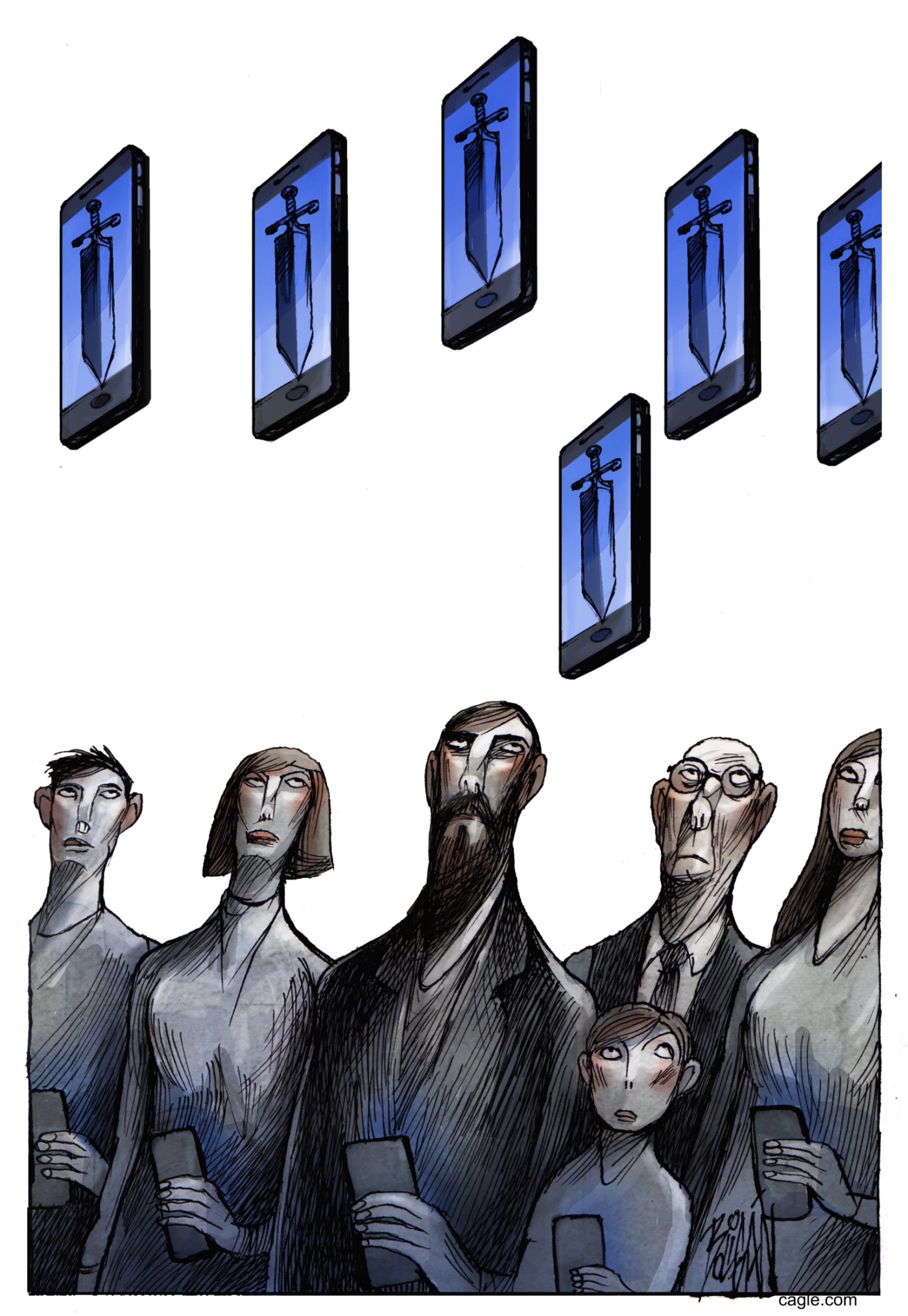
To further distance himself from the constant barrage of digital notifications, he has initiated “Wednesday Without”—a day dedicated to abstaining from smartphone use. He believes that reducing reliance on devices can help restore a sense of personal connection and alleviate the impersonal nature of modern communication.
Nowlan is also focusing on civic engagement, particularly in the area of electoral reform. He advocates for national gerrymandering reform in Illinois, where he aims to create fair legislative maps. He argues that the current practices of drawing partisan districts contribute to political polarization and undermine democratic processes. He emphasizes that fair maps can foster competition in general elections and encourage broader political representation.
As he navigates these challenges, Nowlan urges others to remain engaged in the political sphere. He cautions against withdrawing from societal issues, as this could exacerbate feelings of cynicism and anger within the community. He recalls the words of Raymond Moley, a key figure in Franklin D. Roosevelt’s administration, who stated, “Politics is not something to avoid, abolish or destroy. It is a condition of life, like the air we breathe.”
In a world where rapid change can feel disorienting, Jim Nowlan’s reflections and strategies offer a glimpse into one individual’s journey to find balance in a digital age. His efforts serve as a reminder of the importance of both personal well-being and civic responsibility in confronting the complexities of modern life.