For individuals living with Alzheimer’s disease, challenges with communication can lead to feelings of isolation and depression. Two innovative programs—one at a senior living center in St. Louis, Missouri, and another at the Upcountry History Museum in Greenville, South Carolina—are utilizing art and shared memories to foster connections among Alzheimer’s patients.
Art Therapy Enhances Engagement
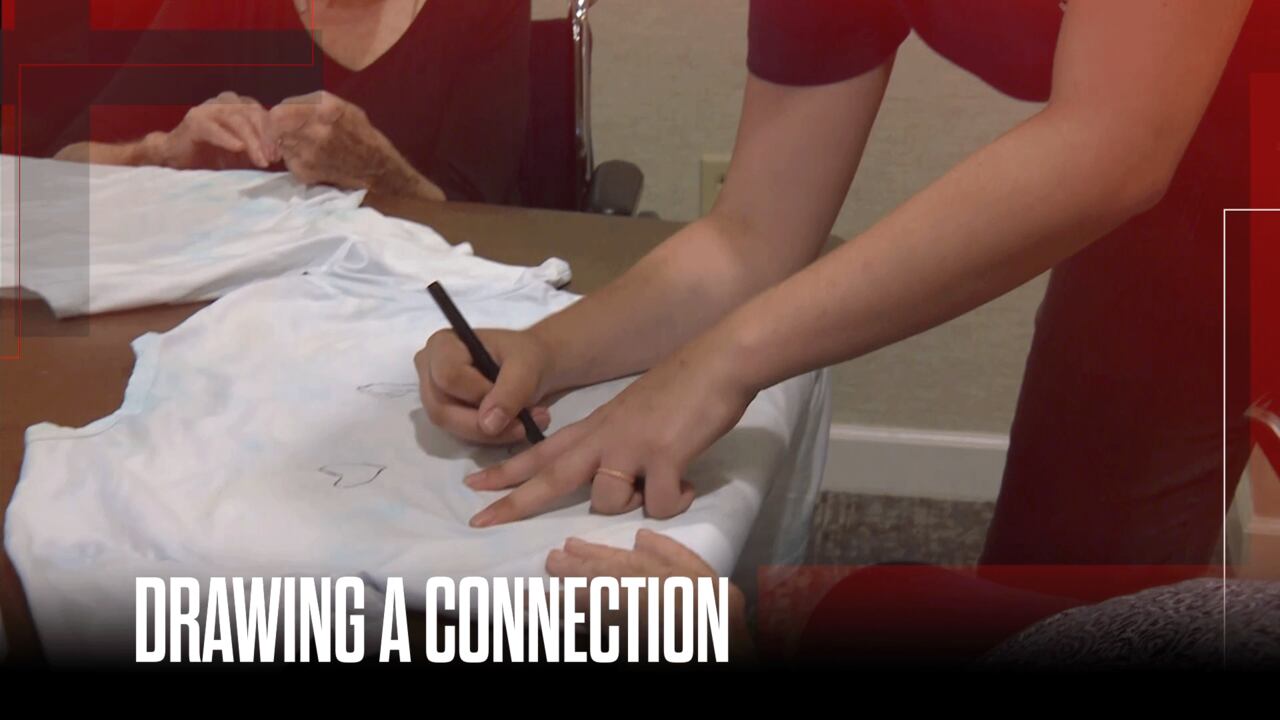
At the Sunrise Senior Living Center just outside St. Louis, seniors in the memory care unit participate in an art therapy program where they create ornaments and vases. This initiative is led by activities coordinator Kate Bellon, who has observed significant positive changes in the residents. “When the mind really starts to digress, it’s really magical when you can see them looking at it and engaging,” Bellon noted. She emphasized the importance of eye contact and even simple gestures like smiles, which can be challenging to elicit from patients.
The therapeutic use of art not only encourages creativity but also serves as a bridge for communication, allowing patients to express themselves in ways traditional conversations may not allow.
Museum Exhibits Spark Memories
In Greenville, the Upcountry History Museum has become a vital resource for Alzheimer’s patients. The museum hosts a monthly support group where participants engage with exhibits that often evoke cherished memories. One such participant, Joseph Storch, diagnosed with early-onset Alzheimer’s, shares the impact of these experiences. “I would forget where I put down anything,” he explained. “I couldn’t keep things in order or organized.” Certain exhibits resonate with Storch, who finds personal significance in them.
Support group facilitator Pamela Reekie highlighted a particular instance where a participant, an artist, became animated while discussing a displayed artwork. “Her husband had not seen that in her, so it was really an ah-ha moment for him to see the value of the support group,” Reekie remarked. Such revelations not only foster a sense of community but also reinvigorate the participants’ sense of self.
Museum CEO Dana Thorpe recounted a moving experience involving a couple visiting the “Wizard of Oz” exhibit. The husband suddenly recalled a memory that had long been forgotten, prompting his wife to step out of the exhibit space to collect herself in tears. “She said no, they’re happy tears,” Thorpe shared. “On most good days, he doesn’t even remember that we have children, but in that exhibit space, he looked at his wife and recalled taking their daughter to see the movie.”
The emotional connections created through these programs extend beyond the patients. Caregivers also find strength and understanding through shared experiences. Storch noted that human connection has become integral to his daily life. “I walk about 15,000 steps a day,” he said. “And I tell people, the first thing I try to do is get somebody to wave back or smile at me. My day is better.”
These art therapy and museum engagement programs illustrate the potential for creative approaches to enhance the quality of life for Alzheimer’s patients and their families. They serve as reminders of the power of shared memories and connections in combating the isolation often associated with cognitive decline.
As the Alzheimer’s Association reports, agitation and anxiety are common symptoms as the disease progresses. Innovative therapies, such as those offered in these programs, aim to address not only the emotional needs of patients but also provide comfort and reassurance to their caregivers.
In a world where communication can become increasingly difficult for those affected by Alzheimer’s, art and shared experiences stand out as invaluable tools for fostering connection and preserving dignity.