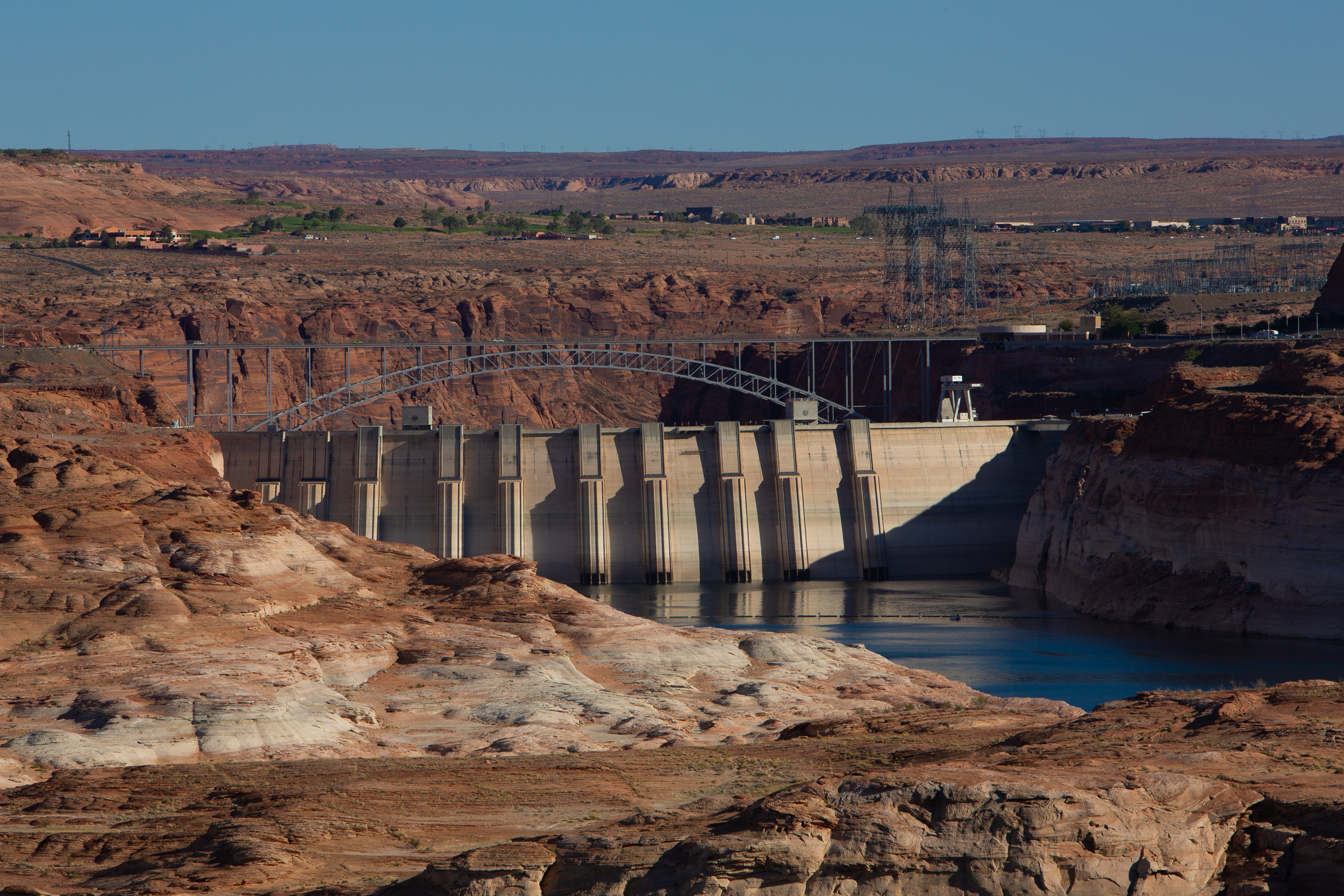
UPDATE: Glen Canyon Dam, a critical infrastructure on the Colorado River, is facing an alarming crisis as water levels in Lake Powell plunge to historic lows. With February 14, 2026, marking a crucial deadline for state negotiations, the urgency for action has never been greater.
The dam, completed in 1963, was designed during a time of optimistic water management. However, with record-high temperatures and declining snowpack, the consequences of climate change have created a dire situation. Currently, Lake Powell is nearing the minimum power pool, just 30 feet above critical intake levels, threatening power generation and water delivery to 25 million people in the downstream states.
Recent developments reveal that the Bureau of Reclamation has delayed responding to a vital management plan, opting to push negotiations further instead of taking decisive action. This has left many stakeholders—including the 30 tribes with water claims—excluded from discussions, exacerbating tensions among states like California, Arizona, and Nevada.
The risks are escalating. If water levels drop to the 3,370 feet threshold, Lake Powell could reach “dead pool,” severely limiting water flow through the dam and risking catastrophic impacts on agriculture and ecosystems reliant on the river. The situation is compounded by the dam’s existing infrastructure problems; the River Outlet Works, designed for emergency water passage, are unsafe for prolonged use and could fail under current conditions.
Experts warn that global warming is already reducing the river’s flow by 20% from long-term averages, with scientists predicting further declines as temperatures rise. The consequences are not just legal and logistical—they are profoundly human, affecting livelihoods and ecosystems as far as the Gulf of California in Mexico.
A recent letter from the Lower Basin states to Secretary of the Interior Doug Burgum underscores the urgency, stating that the failure to address the dam’s infrastructure issues violates federal law. The letter emphasizes that addressing these limitations is critical for sustainable operation and management of the dam.
The clock is ticking. Without immediate modifications to the dam, the Colorado River system risks facing unprecedented operational failure. Solutions proposed include re-engineering the dam to allow natural sediment flow, a plan first outlined by former commissioner Floyd Dominy in a simple sketch back in 1997.
As negotiations continue, the need for a comprehensive and sustainable water management strategy has never been clearer. The future of the Colorado River—and the millions of people it supports—hangs in the balance. The time for action is NOW.
Stay tuned for more updates as this situation develops.